 By admin
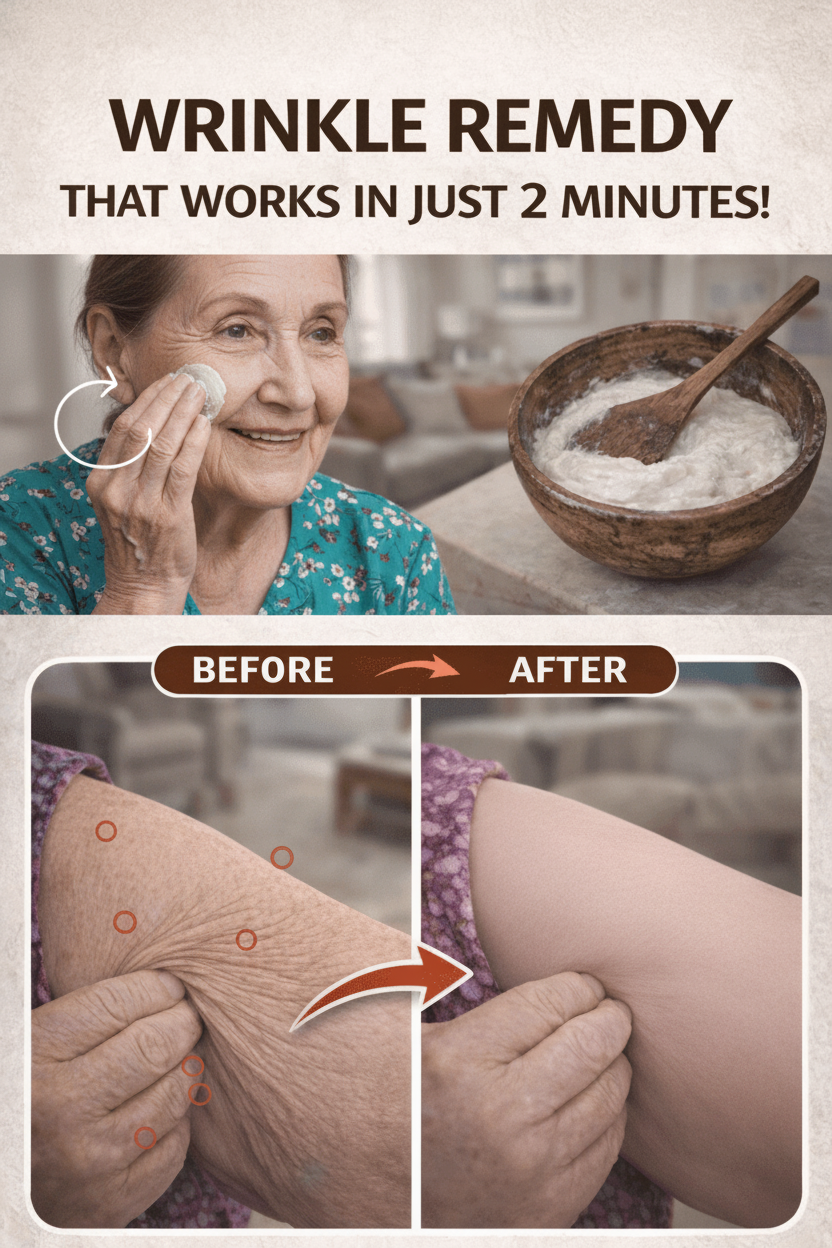
 Many of us dream of achieving smoother, more radiant skin, especially as we navigate the natural journey of aging. The desire to diminish visible signs of aging often leads individuals, particularly older adults, to seek out fast solutions. It’s a common story: perhaps you’ve heard of someone, like my acquaintance who once shared her distress after trying an online viral recipe—a concoction of baking soda and petroleum jelly—only to find her skin feeling tight, irritated, and more distressed than before. This pressure to find a “quick fix” for wrinkles or dullness is understandable, but often, these impulsive remedies can do more harm than good, particularly for delicate, mature skin.
The good news is that achieving healthy, resilient skin as you age doesn’t require harsh experiments or risky DIY projects. It’s about understanding your skin’s unique needs and adopting a gentle, consistent approach. In this comprehensive guide, we’ll delve into popular at-home skincare trends, explain why certain ingredients might cause adverse reactions, and outline evidence-based, safe skincare practices designed to help your skin thrive. We’ll empower you with trustworthy habits that truly make a difference, ensuring your skin feels its best without any unexpected irritations. Stick around, because we’ll also reveal a straightforward daily routine that fits seamlessly into even the busiest schedules.
Understanding the Risks: Why Certain DIY Mixes Can Harm Mature Skin
The internet is rife with beauty hacks, and one persistent trend suggests combining common household items like baking soda (sodium bicarbonate) with petroleum jelly to achieve rapid wrinkle reduction. While the allure of a simple, inexpensive solution is strong, it’s crucial to understand the science behind these ingredients before applying them to your delicate facial skin.
- Baking Soda (Sodium Bicarbonate): Primarily known for its uses in baking and household cleaning, baking soda is a highly alkaline substance.
- Petroleum Jelly: A well-known occlusive agent, petroleum jelly forms a protective barrier on the skin, effectively locking in moisture and aiding in healing dry or compromised skin.
The critical issue arises when considering your skin’s natural biology. Your skin maintains a slightly acidic pH, typically ranging from 4.5 to 5.5. This delicate acidic mantle, often referred to as the “acid mantle,” is vital for protecting against bacteria, environmental aggressors, and maintaining hydration. Introducing an alkaline substance like baking soda dramatically shifts this pH balance. This disruption can strip away natural oils, weaken the skin’s protective barrier, and lead to adverse reactions such as redness, excessive dryness, inflammation, and increased sensitivity. Mature skin, which naturally becomes thinner and drier with age, is particularly vulnerable to these chemical imbalances, making it more prone to irritation and damage.
The Consequences of Compromising Your Skin Barrier
Applying an abrasive, alkaline paste, even for a perceived “fast fix,” can severely compromise your skin’s essential protective barrier. This isn’t just about surface irritation; a weakened skin barrier makes your skin more susceptible to environmental damage, accelerates moisture loss, and creates an ideal environment for inflammation and discomfort to flourish. The notion that a quick, aggressive treatment can deliver lasting benefits is often misleading. The reality is that true skin health and a naturally smoother appearance are cultivated through consistent, gentle, and informed care, rather than through harsh, experimental applications.
Safe, Evidence-Based Skincare Habits for Mature Skin
Transitioning from potentially harmful DIY remedies to a regimen of gentle, scientifically backed skincare practices can profoundly transform the health and appearance of your skin. Here’s a streamlined, effective daily routine specifically designed for the unique needs of older adults:
- Gentle Cleansing: Opt for a mild, hydrating, and fragrance-free cleanser. Use it just once a day, either in the morning or evening, to remove impurities without stripping away your skin’s vital natural oils. Steer clear of harsh soaps or abrasive scrubs that can disrupt the delicate skin barrier.
- Optimal Hydration: Immediately after cleansing, while your skin is still slightly damp, apply a rich moisturizer. Look for formulas containing powerful humectants like hyaluronic acid or glycerin, which actively attract and lock moisture into the skin, promoting plumpness and elasticity.
- Daily Sun Protection: This is non-negotiable for preventing accelerated skin aging. Every morning, apply a broad-spectrum sunscreen with an SPF of 30 or higher. Consistent protection against harmful UV radiation is crucial in minimizing sun damage and the formation of wrinkles and dark spots.
- Reinforce the Skin Barrier: Integrate creams enriched with ceramides into your routine. Ceramides are lipids that naturally occur in the skin and are essential for maintaining a strong, intact protective barrier. By replenishing them, you help fortify your skin against environmental stressors and moisture loss. Crucially, continue to avoid alkaline or highly abrasive products.
- Thoughtful Exfoliation: For gentle cell turnover, consider incorporating a chemical exfoliant like lactic acid or a polyhydroxy acid (PHA) product 1-2 times per week. These acids are generally milder than physical scrubs and can help promote smoother skin texture and a brighter complexion. Always start with a low concentration and gradually increase frequency, especially if you have sensitive skin, to prevent irritation.
Always remember this golden rule for skincare success: consistency and gentleness far outweigh intensity or aggressive treatments.
Comparing Skincare Approaches: Quick Fixes vs. Sustainable Solutions
To further illustrate the benefits of informed choices, the table below contrasts common skincare remedies, highlighting their potential advantages and disadvantages. This comparison reveals why some seemingly appealing “quick fixes” might not align with long-term skin health, while emphasizing the value of more reliable, evidence-based options.
| Skincare Approach | Potential Benefits (Pros) | Potential Drawbacks (Cons) |
|---|---|---|
| Baking Soda Paste | Readily available, very low cost | Severely disrupts skin’s natural pH, likely to cause significant irritation, dryness, and barrier damage |
| Petroleum Jelly (Used Alone) | Highly effective at creating an occlusive barrier to prevent moisture loss, excellent for protecting already dry or compromised skin | Does not inherently provide hydration; primarily seals in existing moisture. Can feel heavy or occlusive for some. |
| Gentle, Hydrating Moisturizer | Supports optimal skin hydration, reinforces the skin barrier, improves texture and suppleness over time | Visible improvements require consistent application and patience; results are not immediate |
| Daily Broad-Spectrum Sunscreen | Essential for comprehensive protection against harmful UVA/UVB rays, prevents premature aging, reduces risk of skin cancer | Requires diligent, regular application and reapplication, especially after sweating or swimming, to maintain efficacy |
| Targeted Professional-Grade Products (e.g., Retinoids, Peptides) | Formulated to specifically address signs of aging, can significantly improve skin texture, tone, and reduce wrinkles | May cause initial sensitivity (redness, peeling) if introduced too quickly or used incorrectly; often higher cost; best used under professional guidance |
This comprehensive comparison underscores the importance of choosing skincare solutions that truly support your skin’s long-term health and vitality, rather than falling for temporary, potentially damaging trends.
Actionable Steps for Immediate Skincare Improvement
Transforming knowledge into practical action is key to achieving your skincare goals. Here’s a straightforward guide to integrating these safe practices into your daily life, starting today:
- Tonight: Gently cleanse your face using a mild, non-stripping cleanser. Follow immediately with a hydrating moisturizer, ideally one rich in ceramides, to begin reinforcing your skin’s barrier overnight.
- Tomorrow Morning: Start your day by rinsing your face with lukewarm water. Apply your chosen moisturizer, allowing it to absorb. Crucially, before heading outdoors, apply a broad-spectrum sunscreen (SPF 30+) to protect your skin from harmful UV radiation.
- Weekly: Incorporate a gentle chemical exfoliant (like lactic acid or PHA) into your routine 1-2 times per week. Remember, moderation is key; avoid daily exfoliation, which can lead to irritation.
- Monthly: Take time to review your skincare products. Prioritize those labeled “fragrance-free” and “hypoallergenic” or “low-irritant,” especially if you have sensitive skin.
- If Irritation Occurs: Should you experience any redness, itching, or discomfort, immediately discontinue using any new products. Consult with a dermatologist or a qualified skincare professional for personalized advice and treatment.
These simple yet powerful actions are easy to adopt, regardless of your schedule or skin type, and lay the foundation for lasting skin health and a more radiant complexion.
Busting Common Skincare Myths: What Truly Helps Wrinkles?
Let’s clarify some pervasive misconceptions about anti-aging skincare:
- Myth: “Aggressive scrubbing and harsh exfoliants will quickly erase wrinkles.”
Fact: While exfoliation can improve skin texture, aggressive scrubbing with harsh physical exfoliants can actually damage the skin’s delicate barrier, leading to irritation, inflammation, and potentially worsening the appearance of fine lines over time. Gentle, consistent chemical exfoliation (e.g., AHAs, PHAs) is a much safer and more effective approach for promoting cell renewal without causing harm. - Myth: “Any natural or kitchen ingredient is automatically safe and beneficial for my skin.”<br