 By admin
 The Moment Every Parent Feels Panic
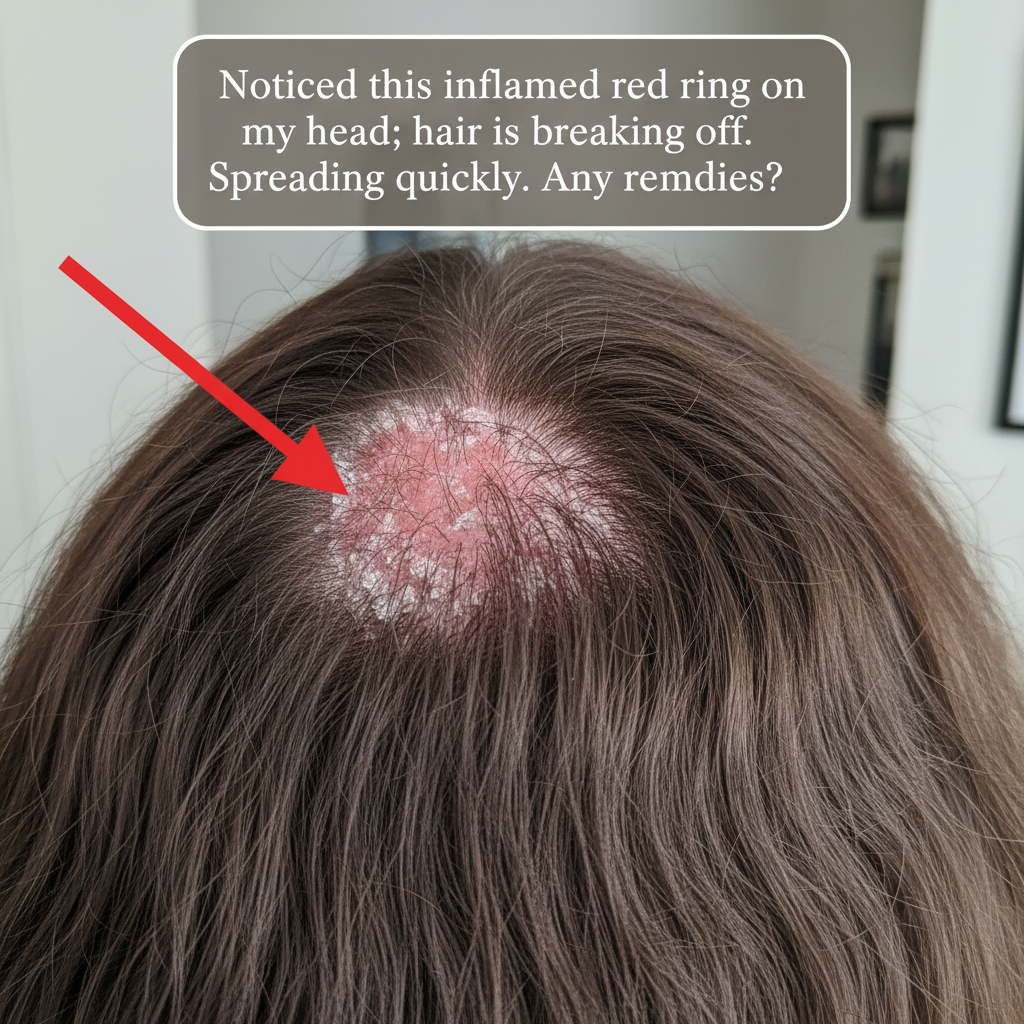
Discovering a red, circular patch on your child’s scalp, especially when accompanied by noticeable hair breakage, can instantly trigger alarm for any parent. That surge of anxiety is completely normal. Questions like, “Is this serious?” or “Will it spread?” race through your mind. It’s distressing to see your child in discomfort, and feelings of guilt or embarrassment might surface if you worry you overlooked something. However, there’s a structured, calm approach to address this common issue without immediate panic. Continue reading to uncover crucial steps many parents miss that can significantly improve the situation.
What Causes Red Patches with Hair Breakage on the Scalp?
Red, circular lesions on the scalp, particularly when combined with hair snapping or thinning, are most frequently indicative of a fungal infection, commonly known as scalp ringworm or tinea capitis. Despite its misleading name, this condition is not caused by worms. Instead, it’s a dermatophyte infection where fungi thrive in warm, moist environments. Children are particularly susceptible due to their still-developing immune systems. The characteristic redness results from inflammation around the infected area, while the fungus itself weakens the hair shafts near the scalp, causing them to break rather than shed naturally. Understanding this underlying cause helps parents respond effectively and reduces unnecessary alarm.
Recognizing Scalp Ringworm (Tinea Capitis) Symptoms
Tinea capitis is a prevalent scalp infection among school-aged children. Its highly contagious nature means early identification is vital to prevent wider spread. This fungal infection typically transmits through:
- Direct contact with an infected individual.
- Contact with pets that are carriers of the fungi.
- Sharing personal items like hats, combs, or hair accessories.
- Using contaminated brushes or towels.
Key symptoms to look out for include:
- Distinct circular red or scaly patches on the scalp.
- Itching or a mild burning sensation in the affected area.
- Tiny black dots visible where hairs have broken off at the scalp level.
- Patchy hair thinning or localized bald spots.
Given its easy transmission in communal settings like schools and playgrounds, prompt recognition is crucial for safeguarding other children.
Differentiating Scalp Ringworm from Other Common Scalp Issues
Parents often confuse scalp ringworm with other conditions. Here’s how to distinguish tinea capitis:
| Condition | Key Signs | Difference from Ringworm |
|---|---|---|
| Dandruff | White or yellowish flakes, often throughout the scalp. | Lacks distinct circular red patches and does not cause hair breakage. |
| Eczema | General red, irritated, and often dry skin, which can appear elsewhere on the body. | Typically presents as diffuse irritation, not a specific, spreading ring pattern. |
| Head Lice | Intense itching, visible lice, or nits (eggs) attached to hair shafts. | Does not cause circular bald patches or localized hair snapping. |
Scalp ringworm is unique due to its characteristic round, often expanding pattern and localized hair breakage.
When to Seek Professional Medical Attention Immediately
It is imperative to consult a doctor without delay if you observe any of the following symptoms in your child:
- Fever exceeding 38°C (100.4°F).
- Significant swelling or severe pain in the scalp area.
- Presence of pus, oozing, or thick crusting on the affected patches.
- Rapid spread or worsening of the red lesions.
- Your child appears unusually tired, lethargic, or generally unwell.
Even if you are uncertain, it is always safest to have a pediatrician evaluate your child to rule out complications or ensure proper diagnosis.
Safe Home Care Steps While Awaiting Medical Consultation
While you are arranging for medical evaluation, certain home care measures can help manage the condition and prevent further spread:
- Gentle Cleaning: Wash the scalp gently using a mild, pH-balanced shampoo and lukewarm water. Avoid vigorous scrubbing, which can irritate the patch.
- Prevent Scratching: Keep your child from scratching the affected area. Distract them with engaging activities or storytelling. Scratching can worsen the infection or introduce secondary bacterial infections.
- Hygiene Control: To minimize the spread of fungal spores, wash pillowcases, bedding, hats, and hair ties in hot water. Ensure all items are thoroughly dried.
What Parents Should Absolutely Avoid
Resist the temptation to try unproven home remedies or viral social media “cures” that could potentially harm your child:
- Applying vinegar or raw garlic directly to the scalp.
- Using undiluted essential oils, which can cause severe irritation.
- Harsh scrubbing brushes or alcohol-based treatments.
- Over-the-counter antifungal creams not specifically formulated or approved for scalp infections.
These methods can aggravate inflammation, damage sensitive skin, and delay effective treatment.
Understanding Why Topical Creams Are Often Ineffective for Scalp Ringworm
Over-the-counter topical creams typically prove ineffective for scalp ringworm because the fungal infection penetrates deep into the hair follicles, beyond the reach of surface-level applications. Effective treatment usually requires oral antifungal medications, which are prescribed by doctors. These medications work systemically, reaching the infection through the bloodstream. Medicated shampoos, used alongside oral treatment, play a crucial role in reducing the shedding of fungal spores and preventing transmission to others. Full recovery often necessitates several weeks of consistent treatment.
Supporting Your Child Emotionally Through Treatment
Visible hair loss or scalp patches can be a source of embarrassment and distress for children. Offering strong emotional support is crucial:
- Reassure your child that this condition is common, treatable, and temporary.
- Allow them to wear lightweight scarves or hats (ensuring these are washed regularly) if they feel self-conscious.
- Maintain their normal routines as much as possible to reduce anxiety and provide a sense of stability.
Emotional support not only helps children cope with their feelings but also encourages cooperation with the treatment regimen, speeding up their comfort and recovery.
Preventing Future Scalp Ringworm Infections
Adopting good hygiene practices is key to minimizing the risk of recurrence and protecting the entire family:
- Educate children on the importance of washing their hair regularly.
- Ensure the scalp is thoroughly dried after swimming or engaging in sports.
- Emphasize avoiding the sharing of personal items such as combs, brushes, hats, and towels.
- Regularly clean shared spaces, especially those where children congregate, like locker rooms or play areas.
These preventative steps significantly reduce the likelihood of future fungal infections.
FAQ – Common Parental Concerns About Scalp Ringworm
1. Can hair regrow after scalp ringworm?
Yes, in most cases, hair typically grows back fully and healthily once the scalp ringworm infection has been properly and completely treated.
2. Is scalp ringworm contagious to adults?
While it can spread through close contact, adults with robust immune systems are generally less susceptible to developing scalp ringworm compared to children. However, they can still be carriers or develop mild forms.
3. How long does scalp ringworm treatment usually last?
Oral antifungal medication courses typically range from 4 to 6 weeks, often combined with the regular use of a medicated shampoo to achieve full eradication of the infection.
Disclaimer: This content is provided for informational purposes only and does not constitute medical advice. Always consult with a qualified healthcare professional for any health concerns or before making any decisions related to your health or treatment.