 By admin
 Harnessing Baking Soda for Natural Pest Management: An In-Depth Guide
Discovering an uninvited guest like a scurrying cockroach or experiencing the unwelcome itch of bed bug bites can quickly turn a comfortable home into a source of anxiety. The presence of household pests isn’t just an inconvenience; it can be genuinely distressing. In the quest for safer, chemical-free solutions, a common pantry staple often surfaces: baking soda. But beyond its culinary and cleaning uses, can this humble ingredient truly stand as an effective weapon in your natural pest control arsenal? This guide delves into the potential of sodium bicarbonate to combat pervasive invaders such as cockroaches, ants, bed bugs, and even mice, examining its purported efficacy.
The Science Behind Baking Soda: Gas and Dehydration Theories
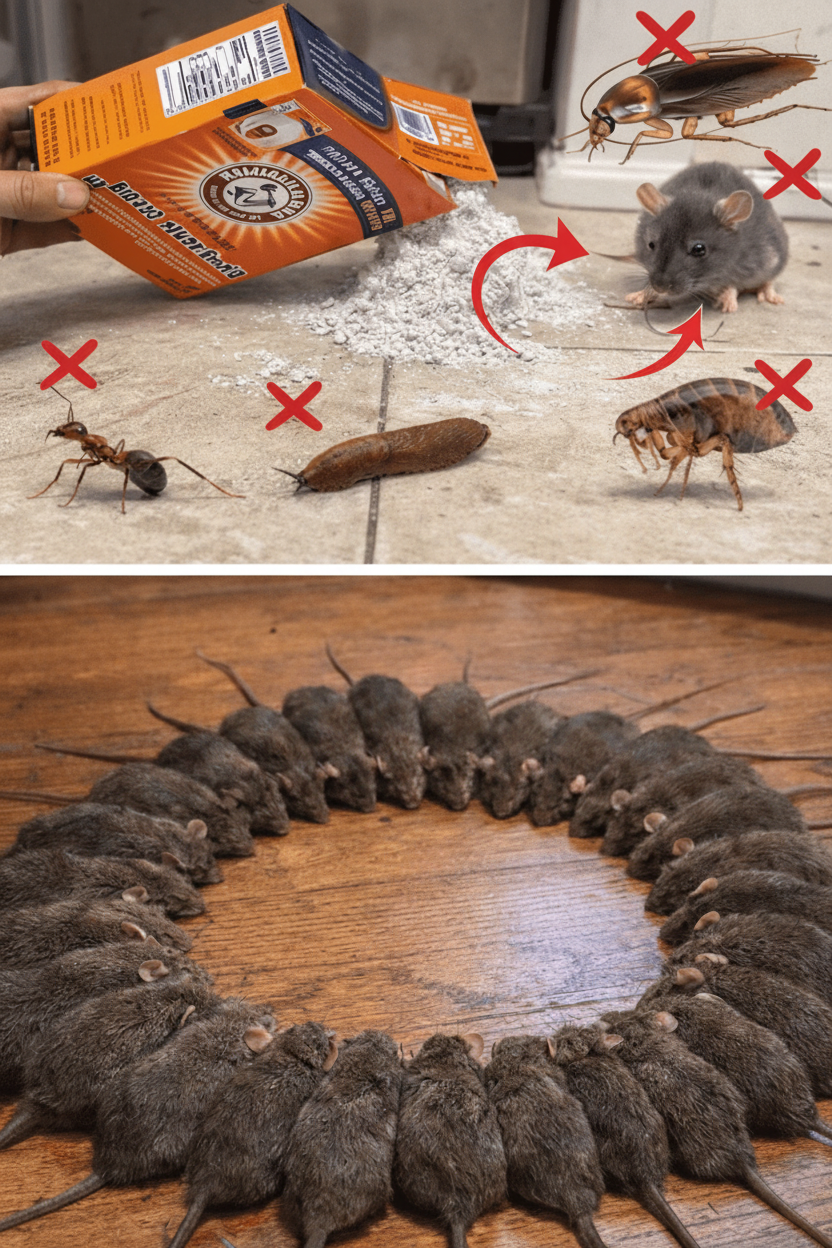
Beyond its well-known applications in baking and household cleaning, sodium bicarbonate, commonly known as baking soda, is often touted as a natural pest deterrent. The theoretical mechanisms underpinning its pest control capabilities are twofold: gas production and moisture absorption. When ingested by pests, baking soda reacts with their internal acids, leading to an accumulation of gas and potentially fatal internal pressure. Additionally, direct contact with the powdery substance can draw out moisture from an insect’s exoskeleton, inducing severe dehydration. But how effective are these proposed actions against common household pests like ants, cockroaches, and rodents? Let’s explore the various methods and their reported success rates.
Baking Soda Against Common Pests: Methods and Efficacy
Household pests like ants, cockroaches, and mice are frequent intruders. Here’s a breakdown of how baking soda is commonly used against them and its reported effectiveness:
Method 1: Creating Barriers with Sprinkled Powder
A widely adopted approach involves scattering a fine layer of baking soda along baseboards, windowsills, and other areas where pests commonly traverse. The premise suggests that the powder might absorb essential oils from insects’ exoskeletons, thereby acting as a deterrent. While some individuals have reported mild success in repelling certain pests, it’s crucial to acknowledge that anecdotal reports generally indicate limited effectiveness for significant infestations. Consistent application and regular cleaning, including vacuuming, are essential to maintain any potential deterrent effect.
Method 2: Sweet Baits for Mice and Rats
Mice and rats are notorious for finding their way into homes, especially where food sources are abundant. A popular DIY method for rodent control involves mixing baking soda with an attractant like flour or sugar, then placing this mixture near known rodent activity, such as droppings. The theory posits that rodents, unable to easily expel gas, would suffer from internal pressure after ingesting the baking soda. While some homeowners claim success with this technique, concerns regarding its humane implications are often raised. For severe infestations, more established methods like traps or professional pest control services are typically recommended.
Method 3: Powder or Paste for Bed Bugs
Battling bed bugs can be an incredibly challenging experience, making the prospect of a simple baking soda solution highly appealing. Some individuals attempt to combat these nocturnal pests by spreading a thick layer of baking soda over mattresses, believing it will absorb moisture and dehydrate the bugs. Unfortunately, extensive research largely contradicts the efficacy of baking soda as a standalone treatment for bed bugs. Despite occasional anecdotal claims of reduced activity, this method lacks widespread support from pest control experts and scientific studies.
Method 4: Sugar Mix for Ant Trails
Ants are famously drawn to sugary substances, a characteristic many homeowners try to exploit by combining baking soda with powdered sugar. The intention is for worker ants to carry this mixture back to their colony, disrupting its overall activity. While this natural ant killer approach has garnered some anecdotal success stories, it is far from foolproof. Certain sources suggest that ants may detect and avoid the baking soda due to its distinct taste, thereby reducing the bait’s overall effectiveness in some scenarios.
Method 5: Onion or Peanut Butter Cockroach Bait
Cockroaches are attracted to strong scents, leading to a DIY strategy that combines baking soda with chopped onion or peanut butter to create an enticing bait. This mixture is believed to lure roaches, and upon ingestion, the baking soda’s gas-producing reaction disrupts their internal systems. However, reports on the effectiveness of this method are inconsistent; while some users observe a reduction in cockroach sightings, others report no noticeable change in pest activity.
Method 6: Simple Sugar and Baking Soda Blend for Cockroaches
A straightforward and widely circulated home remedy for cockroaches involves blending equal parts of sugar and baking soda. The sugar acts as an irresistible attractant, while the baking soda, once consumed, triggers its internal disruptive effects. Many proponents of this method report a noticeable decrease in roach populations after several weeks of consistent application. It is important to remember, however, that this natural cockroach control solution does not yield instant results and demands both consistency and patience to achieve desired outcomes.
Method 7: Enhancing Appeal with Yeast or Other Attractants
To potentially amplify the effectiveness of baking soda-based pest control, some individuals suggest incorporating yeast or other strong attractants into the mixture. The yeast, through its own gas-producing properties, is thought to make the bait even more appealing to various pests. While some users have reported positive results with these enhanced formulations, their overall efficacy still largely depends on the specific pest and the severity of the infestation.
Conclusion: A Balanced Perspective on Baking Soda Pest Control
While baking soda presents an appealing, non-toxic option for household pest control, its overall effectiveness varies significantly across different pest types and methods. For minor issues, some DIY approaches might offer temporary relief. However, for established or severe infestations, relying solely on baking soda is often insufficient. Consulting with professional pest control services remains the most reliable strategy to ensure effective and lasting eradication, especially when dealing with persistent or harmful invaders. Always prioritize safety and consider the extent of your pest problem before committing to any single solution.