 By admin
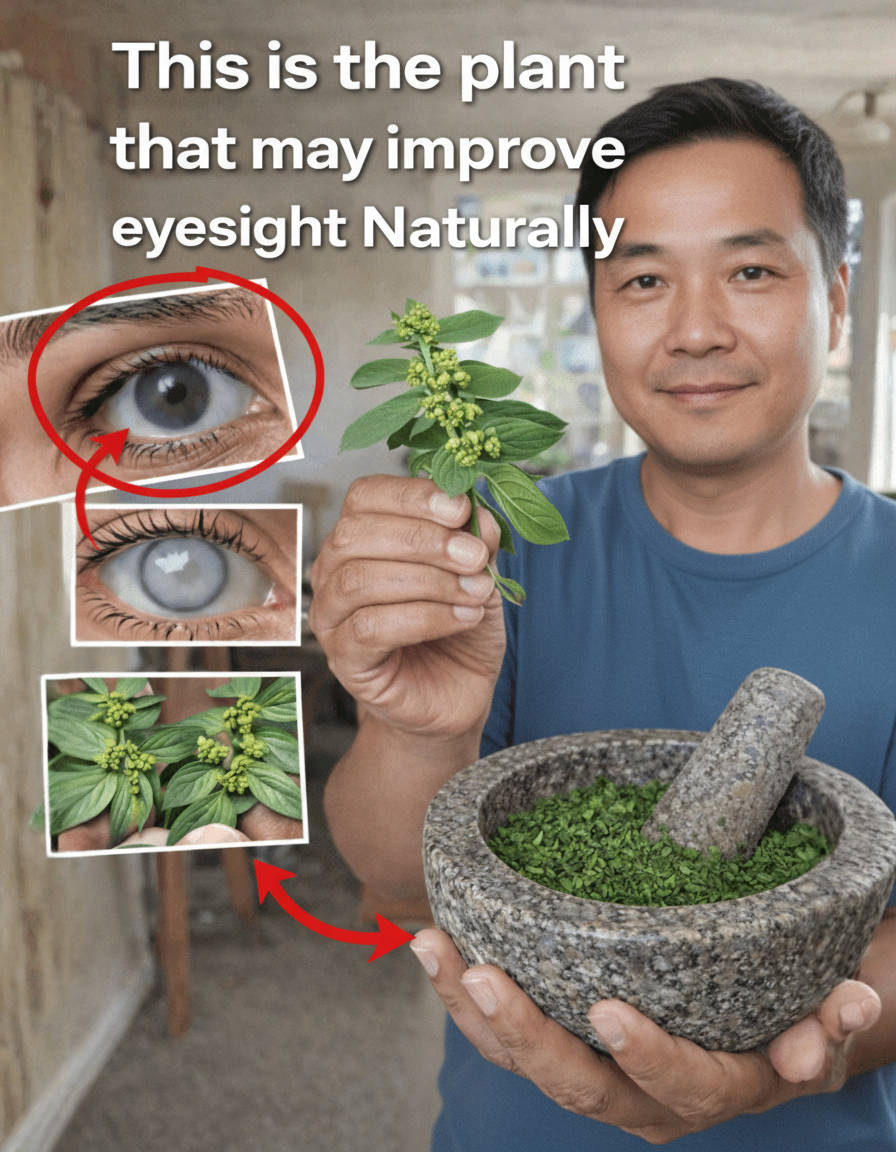
 In our increasingly digital world, many of us experience daily challenges with eye strain, fatigue, and discomfort. Whether it’s the blurriness after prolonged screen time, difficulty deciphering small text, the irritation of dry eyes, or the struggle with night glare, these common issues can significantly impact our quality of life. As we seek natural and holistic approaches to wellness, an unassuming plant, often dismissed as a common weed, is garnering attention for its potential to support eye health: Euphorbia hirta.
Also known by its traditional name, tawa-tawa, this remarkable herb has a rich history in various traditional medicine systems for a multitude of ailments. While its uses are diverse, its potential benefits for ocular comfort and overall eye well-being are particularly noteworthy. This article delves into the intriguing world of Euphorbia hirta, exploring its traditional applications, emerging scientific insights, and safe ways to incorporate it into your eye care routine.
What Exactly is Euphorbia Hirta?
Euphorbia hirta is a widespread, low-lying herbaceous plant that thrives in tropical and subtropical regions globally. It’s often recognized by its small, serrated green leaves, tiny clustered flowers, and a distinctive milky white latex sap. Colloquially, it’s sometimes called “asthma weed” due to its historical application in managing respiratory conditions within folk medicine.
Despite its humble appearance and common presence, Euphorbia hirta has been a cornerstone in traditional remedies for a wide array of health concerns. Its application for supporting vision and alleviating eye-related discomfort, however, presents a particularly compelling area of interest.
Traditional Applications of Euphorbia Hirta for Eye Comfort
Across various tropical cultures, particularly in Southeast Asia and parts of Africa, Euphorbia hirta has been revered in traditional medicine for addressing a spectrum of eye-related ailments. These time-honored practices highlight the plant’s perceived soothing and anti-inflammatory properties:
- Alleviating Conjunctivitis and Eye Sores: Traditionally, preparations made from the plant’s leaves or diluted sap were topically applied to help reduce inflammation and irritation associated with conditions like conjunctivitis (pink eye) or styes.
- General Eye Soothing and Relief: For individuals experiencing tired, strained, or irritated eyes, Euphorbia hirta has been incorporated into herbal teas, which were then used as external washes or in warm compresses to provide comfort.
Crucial Caution: While these traditional methods are deeply ingrained in cultural heritage, it is paramount to exercise extreme caution. The milky latex sap of Euphorbia hirta can be highly irritating and potentially harmful if applied directly or improperly to sensitive areas like the eyes. Always prioritize safety and professional guidance when considering any traditional remedy.
Emerging Scientific Insights: What Research Says About Euphorbia Hirta for Eyes
While the long history of Euphorbia hirta in traditional eye care is compelling, modern scientific inquiry is beginning to explore and validate some of these anecdotal claims. Preliminary research, primarily laboratory and animal studies, offers intriguing insights into its potential mechanisms of action:
- Potent Antioxidant Properties: Several in-vitro (test-tube) and some animal studies suggest that Euphorbia hirta possesses significant antioxidant capabilities. These antioxidants can combat oxidative stress, a major contributor to cellular damage in the eyes caused by environmental factors like harmful UV radiation and prolonged blue light exposure from screens. Protecting ocular tissues from oxidative damage is crucial for maintaining long-term eye health.
- Anti-inflammatory Actions: Inflammation is a common underlying factor in various eye irritations and conditions. Research indicates that Euphorbia hirta exhibits anti-inflammatory effects, which could potentially help in reducing redness, swelling, and discomfort associated with irritated eyes.
- Potential in Cataract Prevention: Perhaps one of the most exciting findings comes from a study conducted on rats, where an extract of Euphorbia hirta was observed to significantly delay the formation and progression of cataracts. Cataracts are often linked to oxidative damage to the eye lens. While these results are promising, it is crucial to emphasize that human clinical trials are essential to confirm these effects and determine appropriate dosages and safety for human use.
It is important to remember that much of this research is still in its early stages. While promising, these findings do not constitute medical advice, and further extensive human trials are needed to fully understand and confirm the benefits of Euphorbia hirta for human eye health.
Safely Integrating Euphorbia Hirta into Your Eye Care Regimen
Given the promising traditional uses and preliminary scientific data, exploring Euphorbia hirta for eye comfort can be appealing. However, safety must always be your top priority. Here’s a responsible approach to considering this plant:
- Prioritize Professional Medical Consultation: Before attempting any new herbal remedy for eye health, it is absolutely essential to consult with a qualified healthcare professional, such as an ophthalmologist or a licensed herbalist. They can assess your specific condition, advise on potential interactions with existing medications, and guide you on the safest and most effective methods.
- Opt for Professionally Prepared Products: Never use the raw milky sap of Euphorbia hirta directly on or near your eyes, as it is a known irritant. If you choose to explore this herb, seek out reputable sources for commercially prepared and standardized extracts, tinctures, or herbal teas specifically formulated for safe use.
- Consider External, Indirect Applications: Should you receive professional advice to proceed, consider starting with external, indirect applications. This might involve using a cooled, diluted herbal tea as an external eye wash (ensuring it’s sterile and free of particles) or a warm compress made from infused leaves placed gently over closed eyelids. Always perform a patch test on a less sensitive skin area first to check for allergic reactions.
- Complement with Established Eye Health Practices: Euphorbia hirta should be considered a complementary approach, not a replacement for fundamental eye care. Continue to integrate proven habits for optimal ocular health.
Comprehensive Strategies for Optimal Eye Health
Beyond exploring specific herbs like Euphorbia hirta, integrating these universally recommended practices into your daily life can significantly contribute to maintaining excellent eye health:
- Implement the 20-20-20 Rule: To combat digital eye strain, every 20 minutes, shift your gaze away from your screen to an object 20 feet away for at least 20 seconds. This simple exercise helps relax your eye muscles.
- Maintain Adequate Hydration: Sufficient water intake is vital for overall health, including eye health. Dehydration can exacerbate dry eye symptoms, so ensure you drink plenty of fluids throughout the day.
- Prioritize an Eye-Healthy Diet: Incorporate foods rich in essential vitamins and antioxidants, such as Vitamin A (found in carrots, sweet potatoes), Vitamin C, Vitamin E, Zinc, and Omega-3 fatty acids (from leafy greens, berries, fish). These nutrients are crucial for protecting your vision.
- Manage Screen Time and Ergonomics: Reduce prolonged screen exposure whenever possible. Adjust your screen’s brightness, contrast, and text size for optimal comfort. Ensure your workspace is well-lit and your screen is positioned at an appropriate distance and height.
Frequently Asked Questions About Euphorbia Hirta and Eye Health
- 1. Is it safe to apply raw Euphorbia hirta sap directly to my eyes?
- Absolutely not. The milky latex sap of Euphorbia hirta is a known irritant and can cause severe discomfort and potential harm if it comes into direct contact with the sensitive tissues of the eyes. Always consult a healthcare professional or qualified herbalist before considering any application, and strictly avoid unprocessed sap.
- 2. Can Euphorbia hirta significantly improve or restore my vision?
- Current research and traditional uses suggest that Euphorbia hirta may offer support for eye comfort, help alleviate irritation, and potentially protect against oxidative damage. However, there is no scientific evidence to suggest it can significantly improve or restore vision loss caused by refractive errors or other serious eye conditions. It is best considered as a complementary aid for comfort and protection, not a cure for vision impairment.
- 3. Where can I find reliable Euphorbia hirta products for eye health?
- If you and your healthcare provider decide that exploring Euphorbia hirta is appropriate, look for products from reputable herbal suppliers or traditional medicine practitioners who specialize in standardized extracts or teas. Ensure the product explicitly states it is safe for the intended use and provides clear instructions. Avoid foraging for and preparing the plant yourself without expert knowledge, especially for ocular applications.