 By admin
 Do you ever experience a post-meal energy slump, feeling sluggish or fatigued, especially after enjoying a hearty dinner? Many individuals, particularly as they age, quietly contend with concerns about their energy levels, maintaining healthy blood sugar, and supporting overall heart wellness. While these topics can sometimes feel daunting to discuss, the significant impact of our daily dietary choices often goes underestimated. Intriguingly, a modest vegetable, a staple in countless traditional cuisines worldwide, offers remarkable, gentle support for both metabolic harmony and cardiovascular health. However, a common oversight in its preparation can diminish these powerful benefits—a crucial detail we’ll unveil later in this article.
Unveiling Pumpkin’s Power: A Nutrient-Dense Functional Food
Across diverse cultures, particularly within traditional Mexican households where it’s known as “calabaza,” pumpkin has been a culinary cornerstone for centuries. Revered for its comforting presence in everything from hearty soups and savory stews to flavorful roasted preparations, it embodies both familiarity and profound nourishment. What’s truly captivating is how contemporary nutritional science now categorizes pumpkin as a “functional food.” This designation signifies its rich endowment with bioactive compounds that actively bolster the body’s physiological processes, extending far beyond basic sustenance. As we progress through life, our bodies require specific support, and pumpkin delivers a wealth of essential nutrients, including:
- Dietary Fiber
- Vitamin A (in the form of beta-carotene)
- Vitamin C
- Potassium
- A spectrum of Natural Antioxidants
These powerful constituents work synergistically to fortify the body’s defenses against daily oxidative stress, optimize metabolic function, and promote robust circulation. An added advantage? Pumpkin is inherently low in calories yet remarkably satiating, making it an ideal choice for those seeking satisfying meals that contribute to mindful energy management.
To provide a clearer picture of its nutritional prowess, here’s a snapshot of key nutrients in pumpkin and their vital roles:
| Nutrient | Why It Matters |
|---|---|
| Fiber | Helps digestion and promotes fullness |
| Beta carotene | Supports vision and immune health |
| Potassium | Helps maintain healthy blood pressure |
| Vitamin C | Supports the body’s natural defenses |
| Antioxidants | Help protect cells from oxidative stress |
Yet, these benefits merely scratch the surface. The profound influence pumpkin can have on maintaining healthy blood sugar levels is particularly compelling.
Pumpkin’s Role in Stabilizing Blood Sugar Levels
It’s a common complaint: feeling inexplicably tired, drowsy, or even hungry again shortly after a meal. This sensation often signals fluctuations in blood sugar, particularly after consuming meals rich in refined carbohydrates. This is precisely where pumpkin emerges as a noteworthy ally. Emerging nutritional research consistently indicates that a diet abundant in fiber and potent plant antioxidants, like those found in pumpkin, can significantly contribute to a more stable glucose metabolism. The dietary fiber within pumpkin performs several critical functions:
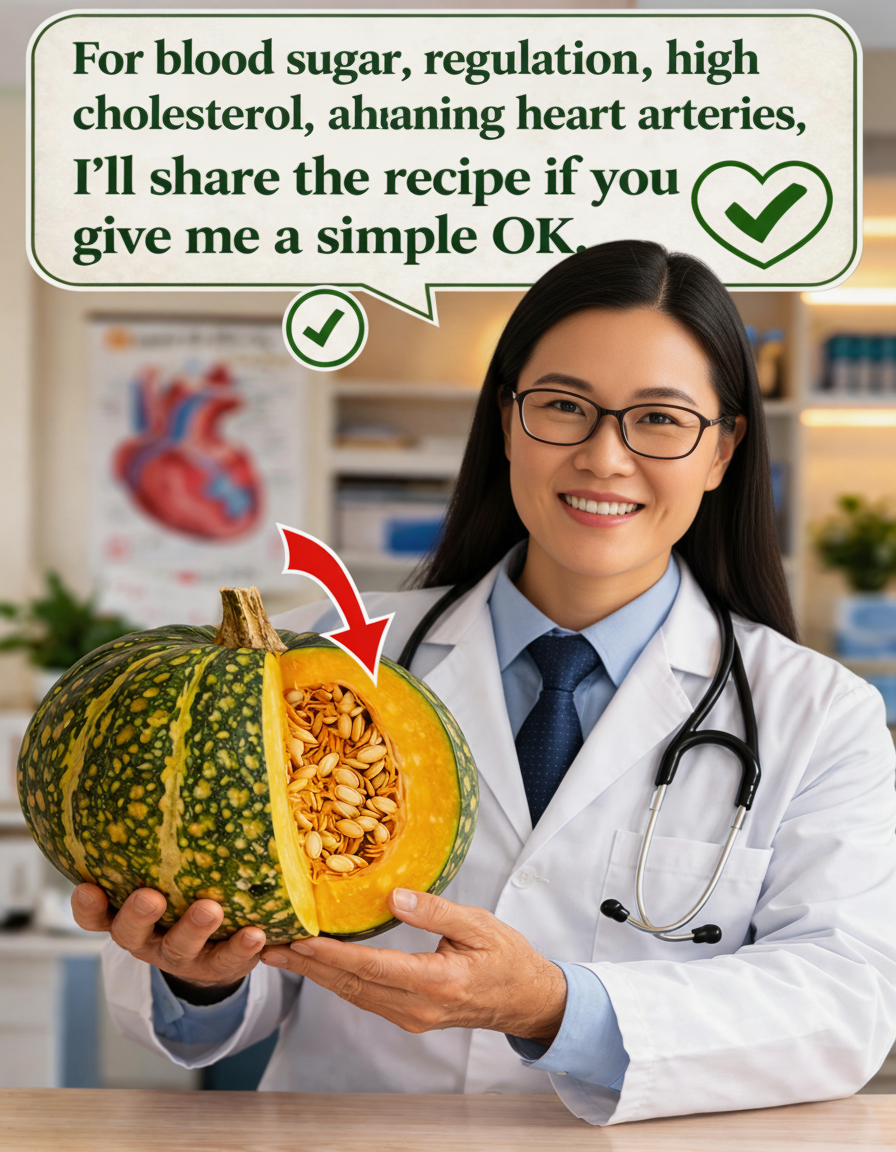
- Moderates the rate at which sugars are absorbed from the digestive tract.
- Helps prevent abrupt energy dips and subsequent cravings post-consumption.
- Cultivates a sustained sense of satiety, aiding in natural portion management.
Beyond its fiber content, the array of antioxidants in pumpkin further supports the body’s intricate metabolic equilibrium by mitigating oxidative stress. Yet, here lies the critical nuance often overlooked: pumpkin delivers its most profound advantages when prepared minimally and naturally. Optimal preparation methods include:
- Roasting pumpkin cubes with aromatic herbs.
- Steaming pumpkin to serve as a versatile side dish.
- Crafting wholesome homemade pumpkin soups.
- Incorporating pumpkin seamlessly into nutritious vegetable stews.
Conversely, heavily sweetened pumpkin pies, lattes, or highly processed pumpkin-based products frequently contain excessive added sugars, artificial ingredients, and unhealthy fats. These additions can unfortunately negate many of the inherent health benefits. This crucial distinction leads us directly to another significant advantage of incorporating pumpkin into your diet.
Enhancing Cardiovascular Health: Pumpkin’s Impact on Heart Wellness and Circulation
With advancing age, safeguarding cardiovascular health assumes paramount importance. The optimal functioning of blood vessels, efficient circulation, and a healthy balance of cholesterol are all integral to sustained vitality. It is within this vital context that pumpkin’s exceptional nutrient profile once again shines. This vibrant squash is packed with compounds specifically recognized for their profound cardiovascular supportive properties. Let’s delve into the key nutrients that contribute to heart wellness:
- Potassium: This essential mineral plays a crucial role in maintaining fluid balance and counteracting the effects of sodium in the body. Adequate potassium intake is vital for supporting normal blood pressure levels and ensuring proper muscle and nerve function, including that of the heart.
- Dietary Fiber: Regular consumption of fiber, a cornerstone of a balanced diet, is well-documented for its ability to promote healthy cholesterol levels. It aids in binding to cholesterol in the digestive tract, facilitating its excretion and thereby contributing to a healthier lipid profile.
- Beta-carotene and Antioxidants: These powerful plant-derived compounds are instrumental in shielding cellular structures from the damaging effects of oxidative stress—a natural, age-related process that can impact arterial health. By neutralizing free radicals, they contribute to the integrity of blood vessels and overall cardiovascular resilience.
Collectively, a dietary pattern emphasizing vegetables, rich in fiber and antioxidants like pumpkin, lays a strong foundation for robust blood vessels and optimized circulation throughout life. Yet, pumpkin’s impressive benefits extend far beyond just supporting your heart.
Beyond the Basics: Discover More of Pumpkin’s Wellness Advantages
Indeed, pumpkin’s holistic impact on well-being is truly remarkable. Beyond its well-established benefits for blood sugar and heart health, this versatile squash also contributes to immune system strength thanks to its Vitamin C content, supports healthy vision through its rich supply of Vitamin A (beta-carotene), and aids in digestive regularity with its ample fiber. Its natural anti-inflammatory properties further underscore its value as a cornerstone of a healthy diet. By embracing this simple, nutrient-packed vegetable in its natural, unprocessed forms, you’re not just enjoying a delicious meal; you’re actively investing in a more vibrant and healthier future. Don’t overlook the incredible power of pumpkin—it’s a simple habit with profound wellness rewards.