 By admin
 For many older adults, the quiet concern of managing rising blood sugar levels often brings a sense of frustration. Despite doctor’s warnings, daily routines — perhaps a sweet coffee, white bread, or the familiar afternoon energy slump — can feel stubbornly difficult to change. This realization can be disheartening, especially when the body seems to signal that something is amiss. Yet, what if a humble kitchen spice, already a staple in countless homes, held a surprising key to supporting healthier metabolic habits? By the end of this article, you might discover a simple, daily ritual that nutrition researchers are increasingly recognizing for its potential benefits.
Why Cinnamon Is Capturing Scientific Attention
Cinnamon has graced traditional kitchens worldwide for centuries, cherished primarily for its ability to warm beverages and enrich desserts. However, in recent years, nutrition scientists have turned their focus to this aromatic spice, delving deeper into its biological properties. Their heightened interest stems from cinnamon’s rich profile of natural plant compounds that appear to interact beneficially with the body’s intricate metabolic processes.
Among the most studied compounds are cinnamaldehyde and polyphenols, both known for their potent antioxidant capabilities. Why is this significant? Research consistently links oxidative stress – an imbalance between harmful free radicals and protective antioxidants – to age-related metabolic dysfunction and various cardiovascular concerns. Emerging nutritional studies now suggest that integrating cinnamon into a balanced diet may aid the body in maintaining stable blood glucose levels. But the story doesn’t end there; researchers are also intensely investigating how cinnamon might influence insulin sensitivity, a critical factor in how effectively the body processes dietary sugar.
How Cinnamon May Support Healthy Blood Sugar Balance
Managing blood sugar fluctuations is a growing health priority for many adults over the age of 50. While post-meal glucose spikes are a natural physiological response, frequent or dramatic surges can challenge the body’s ability to maintain equilibrium. Clinical investigations have specifically explored cinnamon’s interaction with glucose metabolism.
In various controlled trials, participants who regularly consumed modest amounts of cinnamon demonstrated improvements in key metabolic indicators, including fasting blood sugar and triglyceride levels. Researchers hypothesize that cinnamon’s compounds may enhance insulin signaling pathways, essentially helping the body utilize insulin more efficiently to transport glucose from the bloodstream into cells. Practically speaking, this could translate to several tangible benefits:
- More stable blood sugar levels after meals
- Improved overall metabolic efficiency
- A reduction in mid-day energy crashes
Furthermore, many scientists believe that cinnamon’s inherent antioxidant activity plays a vital role in protecting the cells involved in glucose metabolism. This protective effect is particularly valuable as we age, contributing to more resilient cellular function.
What Science Says About Cinnamon and Heart Health
The intricate connection between heart health and metabolic health cannot be overstated. Sustained high levels of blood sugar, cholesterol, and inflammation significantly elevate the risk of cardiovascular complications. This crucial link has prompted scientists to explore cinnamon’s potential benefits beyond just blood sugar regulation.
Several comprehensive research reviews indicate that cinnamon may contribute to cardiovascular wellness through three key mechanisms:
-
Supporting Healthy Cholesterol Balance
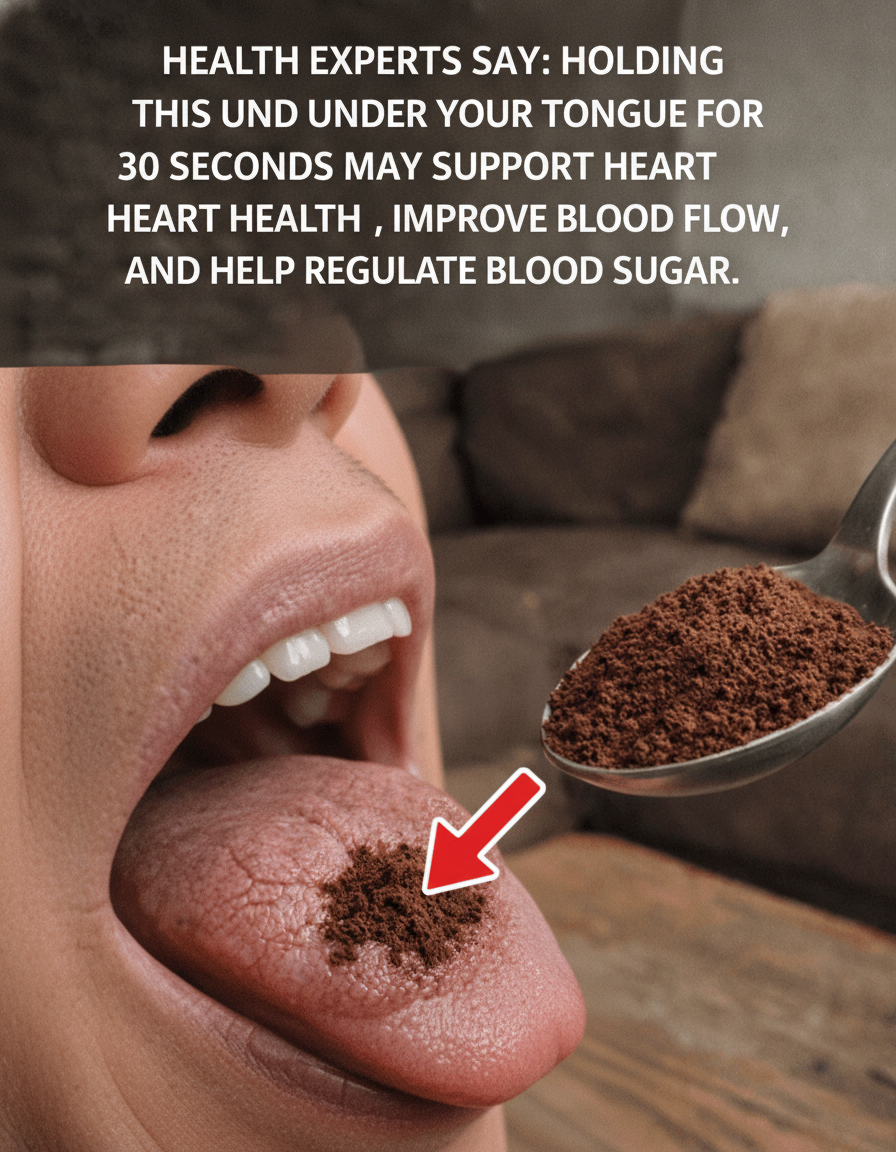
Studies suggest that consistent cinnamon consumption could be associated with modest reductions in:
- Total cholesterol
- LDL (bad) cholesterol
- Triglycerides
These markers are routinely monitored as part of comprehensive heart health assessments.
-
Helping Maintain Healthy Blood Pressure
Preliminary research hints that certain cinnamon compounds may possess mild vasodilatory effects. This means they could help blood vessels relax, potentially improving circulation and slightly reducing pressure on arterial walls.
-
Providing Antioxidant Protection
Chronic inflammation is a known contributor to the gradual buildup of plaque within arteries over time. Cinnamon’s powerful antioxidant compounds may help neutralize the free radicals that fuel this inflammatory process, offering a protective layer for cardiovascular integrity.
However, it is paramount to emphasize that nutrition experts consistently stress that cinnamon is not a medical treatment or a standalone cure for any condition. Instead, it serves as a valuable dietary adjunct that can support overall wellness when integrated with a balanced diet and consistent physical activity. Always consult with a healthcare professional before making significant changes to your diet or health regimen.
Cassia vs. Ceylon Cinnamon: What Most People Don’t Know
Here’s a crucial detail often overlooked: not all cinnamon is created equal. The two most prevalent varieties found in markets are Cassia cinnamon and Ceylon cinnamon. While both offer distinct flavors and potential benefits, they differ significantly in their chemical composition, particularly concerning a compound called coumarin.
Cassia cinnamon, which is more widely available and typically less expensive, contains higher levels of coumarin. While safe in small amounts, high or prolonged intake of coumarin can be problematic for liver health in sensitive individuals. Ceylon cinnamon, often referred to as “true cinnamon,” contains only trace amounts of coumarin, making it a safer choice for regular or higher consumption. Understanding this distinction is vital for anyone considering cinnamon as a regular part of their health routine.