 By admin
 Understanding Amlodipine Side Effects: Causes, Common Symptoms, and Practical Tips for Managing Discomfort
You’ve taken your morning amlodipine, ready to tackle the day, when a subtle warmth spreads across your face, or you notice your shoes feel uncomfortably tight around your ankles. These small changes can spark a quiet concern: Are these just signs of aging, or could they be connected to the medication that’s diligently managing your blood pressure? Many individuals on amlodipine experience these shifts, often initially dismissing them as stress or tiredness, only to feel a persistent unease when symptoms linger. Gaining a clear understanding of amlodipine side effects can provide much-needed clarity, alleviating that nagging uncertainty and empowering you to feel more in control of your daily well-being.
Why Amlodipine Side Effects Occur – And Why They’re Often Misunderstood
Amlodipine, a calcium channel blocker, functions by relaxing and widening the blood vessels throughout your body. This crucial action helps to lower blood pressure and reduce the strain on your heart. While profoundly beneficial for cardiovascular health, this change in circulation can sometimes lead to altered blood flow or fluid distribution, manifesting in unexpected ways, particularly in the lower limbs or face. Therefore, amlodipine side effects are a direct result of this therapeutic vasodilation process, rather than an indication that the medication is failing to work.
For most patients, these effects are mild and transient, gradually improving as the body adapts to the medication. Reputable health organizations, such as the NHS and Mayo Clinic, concur that many individuals find these symptoms diminish over time. However, recognizing the patterns of amlodipine side effects is key to reducing anxiety and fostering more informed discussions with your healthcare provider. Crucially, it’s important to remember that not everyone experiences these effects, and for those who do, simple awareness often demystifies the experience.
Distinguishing Between Minor Discomfort and Symptoms to Report
Generally, amlodipine side effects present as discomfort rather than serious health threats, typically emerging as your system adjusts to more stable circulation. Some symptoms may resolve quickly, while others might benefit from minor lifestyle adjustments or a conversation with your doctor. The goal here is not to create alarm, but to equip you with knowledge. By tracking the timing or potential triggers of any amlodipine side effects you notice, you can provide your doctor with specific details, transforming vague worries into actionable steps toward better comfort and management.
Now, let’s delve into some of the most frequently reported amlodipine side effects, explained in relatable, everyday scenarios.
7 Common Amlodipine Side Effects Explained Through Real-Life Experiences
7. Swelling in Ankles or Feet (Peripheral Edema)
Imagine kicking off your shoes after a long day to find your sock lines deeply indented and your ankles appearing noticeably puffier, though without pain. This common amlodipine side effect, known as peripheral edema, is frequently cited in clinical studies. It occurs because the widened blood vessels allow fluid to accumulate in the lower tissues, exacerbated by gravity. Typically, it worsens toward the end of the day and subsides overnight. While frustrating, understanding that this is a common physiological response to amlodipine can bring significant relief.
6. Facial Flushing or Sudden Warmth
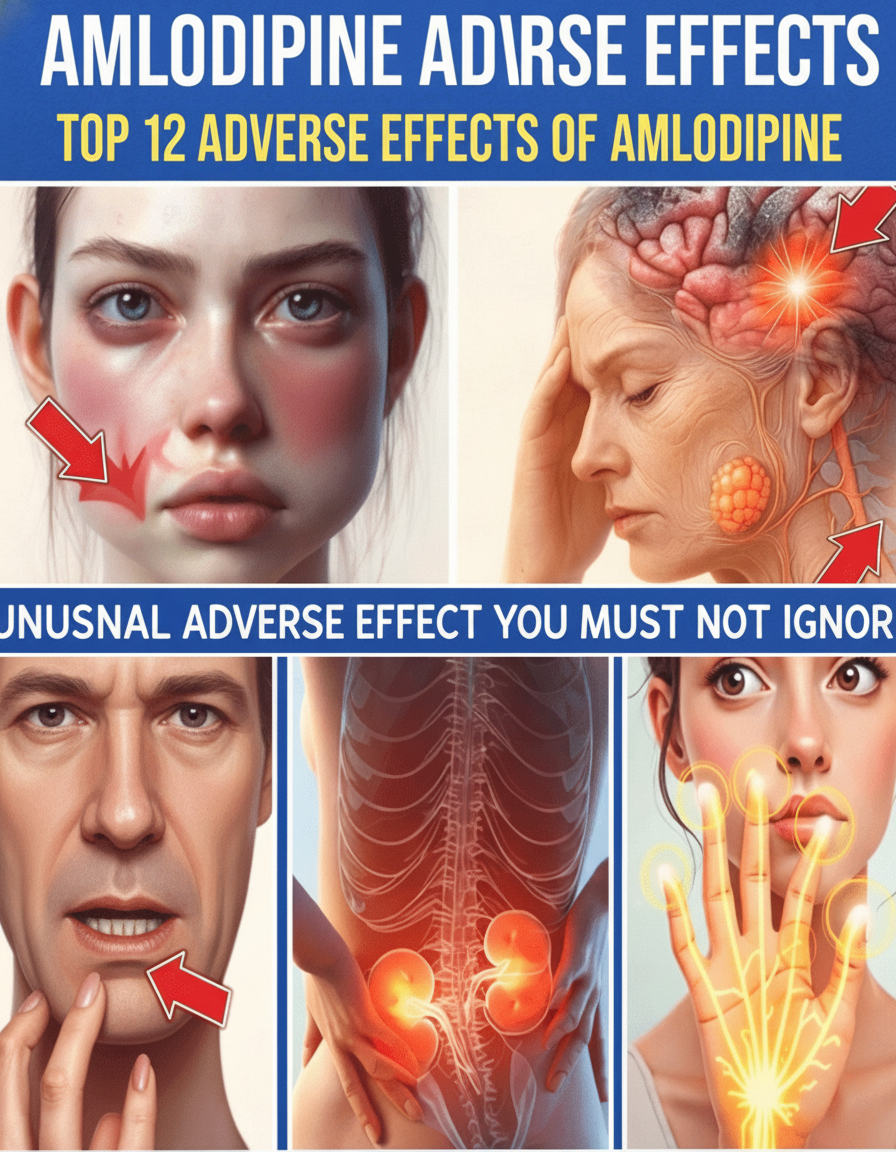
You might experience an unexpected wave of heat rising to your cheeks mid-afternoon, akin to an unprompted blush. This amlodipine side effect results from the dilation of superficial blood vessels in the skin. It’s usually brief and harmless, but can feel startling or even embarrassing, particularly when it occurs without obvious triggers, potentially amplifying self-consciousness.
5. Lightheadedness or Brief Dizziness
A quick change in position, like standing up rapidly, might cause a momentary sensation of the room spinning or a slight wobble, prompting you to steady yourself on nearby furniture. This type of amlodipine side effect, often termed orthostatic hypotension, stems from your blood pressure adjusting downwards. It’s more pronounced during transitions from sitting or lying to standing, or if you are dehydrated. While it typically improves as your body adapts, the uncertainty during these moments can make simple movements feel cautious.
4. Fatigue or Low Energy Waves
You might notice unexplainable dips in your energy levels, perhaps mid-morning, leaving you feeling generally slowed down rather than completely exhausted – a diminished vitality. This amlodipine side effect is believed to be connected to shifts in circulation and blood pressure changes affecting your overall sense of vigor. People often attribute such feelings to age or busy schedules, but recognizing it as a potential part of amlodipine’s effects can help reduce self-blame.
3. Headaches, Often Early On
A mild, persistent throbbing sensation might appear shortly after you begin taking amlodipine or after a dose adjustment, typically fading within a few weeks. Headaches as an amlodipine side effect are linked to the initial adjustments of blood vessels in the head. The timing is a useful clue: if it coincides with recent medication changes, it’s often a transient symptom.
2. Awareness of Heartbeat or Palpitations
While resting, particularly when lying down, you might become more acutely aware of your pulse in your chest or neck – not necessarily racing, but distinctly noticeable. This amlodipine side effect arises from increased blood flow through the now more relaxed blood vessels. It can disrupt quiet moments and heighten worry until the mechanism is understood.
1. Leg Heaviness or Unusual Warmth
You might notice a distinct sensation of heaviness in your legs, or an unusual warmth that isn’t related to exercise or external temperature. This amlodipine side effect is often tied to the altered blood flow and vasodilation occurring in the lower limbs, a direct consequence of the medication’s action to widen blood vessels and improve circulation.