 By admin
 Amlodipine’s Unseen Impact: 12 Critical Side Effects Millions Overlook
Many individuals over the age of 40 incorporate amlodipine into their daily regimen to manage hypertension, often focusing solely on the benefits of reduced blood pressure readings and decreased cardiac strain. Yet, subtle physiological shifts—such as peripheral swelling that causes shoes to feel uncomfortably tight by evening, or a persistent lassitude that drains your vitality—can insidiously manifest. These changes are frequently dismissed as normal signs of aging, stress, or the demands of modern life, rather than being linked to the medication itself. These often-overlooked or initially mild amlodipine side effects, if disregarded, can significantly diminish comfort, confidence, and overall quality of life. Recognizing these patterns early empowers you to engage in proactive discussions with your healthcare provider. One particularly prevalent yet frustrating effect might already be subtly influencing your daily routine—continue reading to discover which symptoms warrant your immediate attention.
Why Amlodipine Side Effects Often Go Unnoticed
The adverse effects of amlodipine frequently blend seamlessly into the tapestry of everyday discomforts. This phenomenon occurs partly because high blood pressure itself is often asymptomatic, making new symptoms feel like unrelated nuisances rather than indicators of medication interaction. For instance, amlodipine-induced fatigue might be attributed to a demanding schedule, while mild dizziness could be misconstrued as low blood sugar or simple dehydration. Personal accounts, such as that of ‘Linda’—who began amlodipine and gradually observed her shoes becoming tighter and her nights more restless—underscore how these incremental changes can delay recognition. Heightened awareness transforms vague frustrations into actionable insights, facilitating more productive dialogues with your healthcare team.
1. Swelling in Ankles and Feet (Peripheral Edema)
Among the most commonly reported amlodipine side effects is swelling in the ankles, feet, or lower legs, which often intensifies throughout the day and makes footwear feel restrictively tight. This occurs because amlodipine, a calcium channel blocker, relaxes blood vessels unevenly, allowing fluid to accumulate in peripheral tissues, particularly at higher dosages. Many patients mistakenly attribute this to ‘just getting older’ or prolonged standing. However, it can significantly impede mobility and create a sensation of heaviness, affecting activities like daily walks or family outings. Research indicates that this amlodipine side effect affects approximately 10-15% of users, with a higher incidence observed in women and those on a 10 mg dose.
How to Spot and Manage This Common Amlodipine Side Effect
To differentiate amlodipine-related edema from other causes, consider elevating your legs when seated, using compression stockings if recommended by your doctor, and monitoring whether the swelling subsides overnight. If the condition persists or worsens, your physician might suggest adjusting your medication dosage or incorporating a diuretic.
2. Facial Flushing and Warmth Sensations
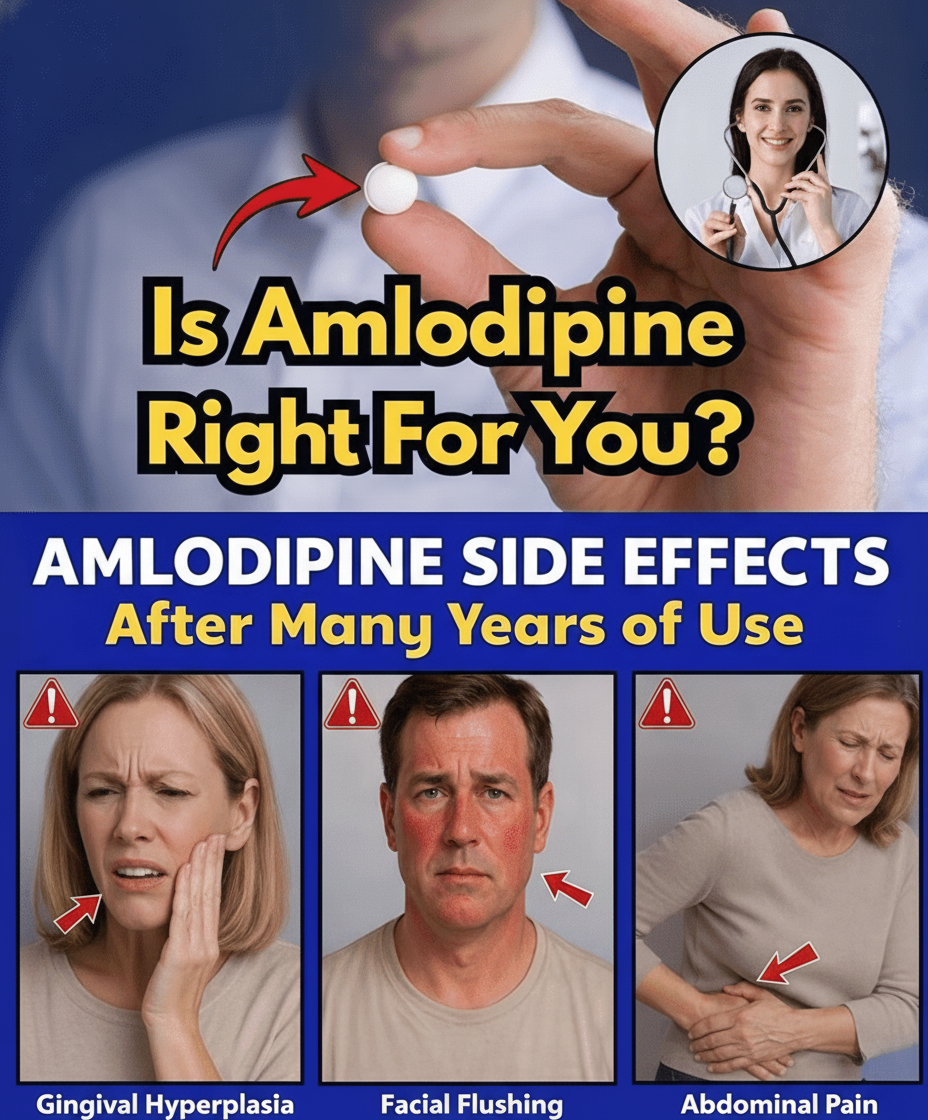
A sudden wave of heat spreading across the face, neck, or chest is a frequent side effect associated with amlodipine. This reaction can leave the skin visibly reddened and induce an uncomfortable sensation of being overheated, even in cool environments. Beyond the physical discomfort, it can be socially awkward and embarrassing, potentially leading individuals to avoid social gatherings or feel self-conscious. This vascular response often diminishes over time as the body adapts to the medication, but occasional flares can serve as a potent reminder of the drug’s presence.
3. Headaches That Disrupt Your Day
Headaches are among the early amlodipine side effects experienced by some users, varying from mild tension to intense, throbbing pain that significantly impairs focus at work or home. Often linked to fluctuations in blood pressure, these headaches can be particularly frustrating for individuals already grappling with the stresses of hypertension. Many resort to over-the-counter pain relievers without realizing the connection to their daily medication.
4. Dizziness and Lightheadedness
Experiencing unsteadiness when standing up rapidly or moments of wooziness is a characteristic amlodipine side effect, stemming from its blood pressure-lowering action. This symptom heightens the risk of falls, a particular concern for adults over 50 who value their independence. Simple preventative measures, such as rising slowly from a seated or lying position, can help mitigate this particular amlodipine side effect.
5. Fatigue and Excessive Tiredness
A pervasive sense of tiredness or consistently low energy, even after adequate rest, afflicts many individuals experiencing amlodipine side effects. This can make afternoons feel arduous and evenings seem heavier, often mistakenly attributed to the natural process of aging or a demanding lifestyle. Such fatigue can significantly dampen motivation for hobbies, exercise, or engaging with family. Diligently monitoring these patterns can help ascertain if the fatigue is indeed linked to the medication.
6. Palpitations or Irregular Heartbeats
The sensation of your heart unexpectedly pounding, fluttering, or racing can be an unsettling amlodipine side effect for some users, despite the medication’s primary goal of protecting cardiovascular health. These irregular heartbeats can intensify anxiety, especially if they are misconstrued as signs of worsening underlying heart conditions.
7. Gum Overgrowth (Gingival Hyperplasia)
The thickening of gum tissue that gradually covers parts of the teeth, making flossing difficult and oral hygiene frustrating, is a recognized but often understated amlodipine side effect. This condition, known as gingival hyperplasia, can be exacerbated by poor oral hygiene or plaque accumulation, leading to discomfort, challenges with chewing, and self-consciousness about one’s smile.
8. Nausea and Stomach Discomfort
Upset stomach, abdominal pain, or a general feeling of nausea can transform mealtimes into an ordeal for those experiencing amlodipine side effects. This gastrointestinal distress can subsequently lead to a reduced appetite and overall discomfort.