 By admin
 As we journey through life, particularly past the age of 40, many individuals observe their once vibrant smiles gradually diminishing in brilliance. This common occurrence is often attributed to the cumulative effects of daily habits, such as consuming coffee, tea, and red wine, alongside the natural physiological process of aging. The resulting dullness can subtly erode self-assurance, causing hesitation in social interactions, professional settings, or even cherished family gatherings. Fortunately, the pursuit of a more luminous smile doesn’t always necessitate expensive dental procedures. Exploring natural teeth whitening methods, often utilizing readily available kitchen ingredients, presents an accessible and cost-effective alternative for gently tackling surface discoloration from the comfort of your home. The true art, however, lies in understanding and applying these natural techniques safely and effectively, ensuring both a radiant aesthetic and the continued protection of your dental health.
The Emotional Impact of Dental Stains and the Appeal of Natural Whitening for Adults
It’s undeniable that as individuals mature, especially beyond their forties, the presence of stained teeth can silently undermine self-esteem. This common aesthetic concern, often stemming from long-standing dietary habits, can manifest as a reluctance to engage fully – perhaps shying away from photographs or suppressing genuine laughter, simply because a less-than-bright smile might inadvertently convey an older image. In this context, natural teeth whitening solutions have surged in popularity, offering a compelling promise of restoring a youthful gleam through kinder, more budget-friendly approaches. Grasping this psychological dimension is crucial as you embark on your journey towards a brighter smile. Studies even suggest that a radiant, confident smile significantly enhances how approachable and trustworthy others perceive you to be.
Understanding Stain Formation and the Preventative Role of Natural Whitening
The relentless passage of time, coupled with our daily consumption of pigmented foods and drinks, inevitably contributes to the gradual darkening of tooth enamel. For many in their middle years, this accumulation of dental stains often prompts a search for effective natural teeth whitening strategies to reclaim their self-assurance. Fundamentally, natural methods primarily target extrinsic stains – those superficial discolorations that adhere to the tooth’s outer surface, often making social interactions feel less comfortable. However, achieving a truly enduring bright smile extends beyond mere stain removal. It profoundly hinges on cultivating excellent daily oral hygiene practices, which serve as the bedrock for any successful natural teeth whitening regimen.
Four Popular Kitchen-Based Approaches for Natural Teeth Whitening
Addressing the aesthetic concerns of a dull smile, particularly for those over 40, often leads individuals to explore simple yet effective natural teeth whitening remedies found right in their kitchens. These accessible methods leverage common household ingredients, each recognized for its potential to gently diminish surface stains. Below, we delve into four such approaches that many judiciously integrate into their dental care routines.
Baking Soda and Lemon Paste: A Classic Whitening Duo
The pairing of baking soda with lemon juice is a time-honored natural teeth whitening solution, particularly favored by individuals looking to combat stubborn coffee stains and boost their smile confidence. Baking soda acts as a gentle abrasive, aiding in the physical removal of surface discoloration, while lemon juice introduces citric acid, known for its mild bleaching properties. However, extreme caution is paramount when using acidic components on tooth enamel. Scientific literature indicates that baking soda, when used sparingly, can effectively and safely lift superficial stains. To prepare, combine a modest quantity of baking soda with just a few drops of fresh lemon juice to form a paste. Apply this mixture gently to your teeth for no more than one minute, once per week, ensuring a thorough rinse afterward. It is strongly advised to consult with your dentist before incorporating any acidic ingredients into your natural teeth whitening routine.
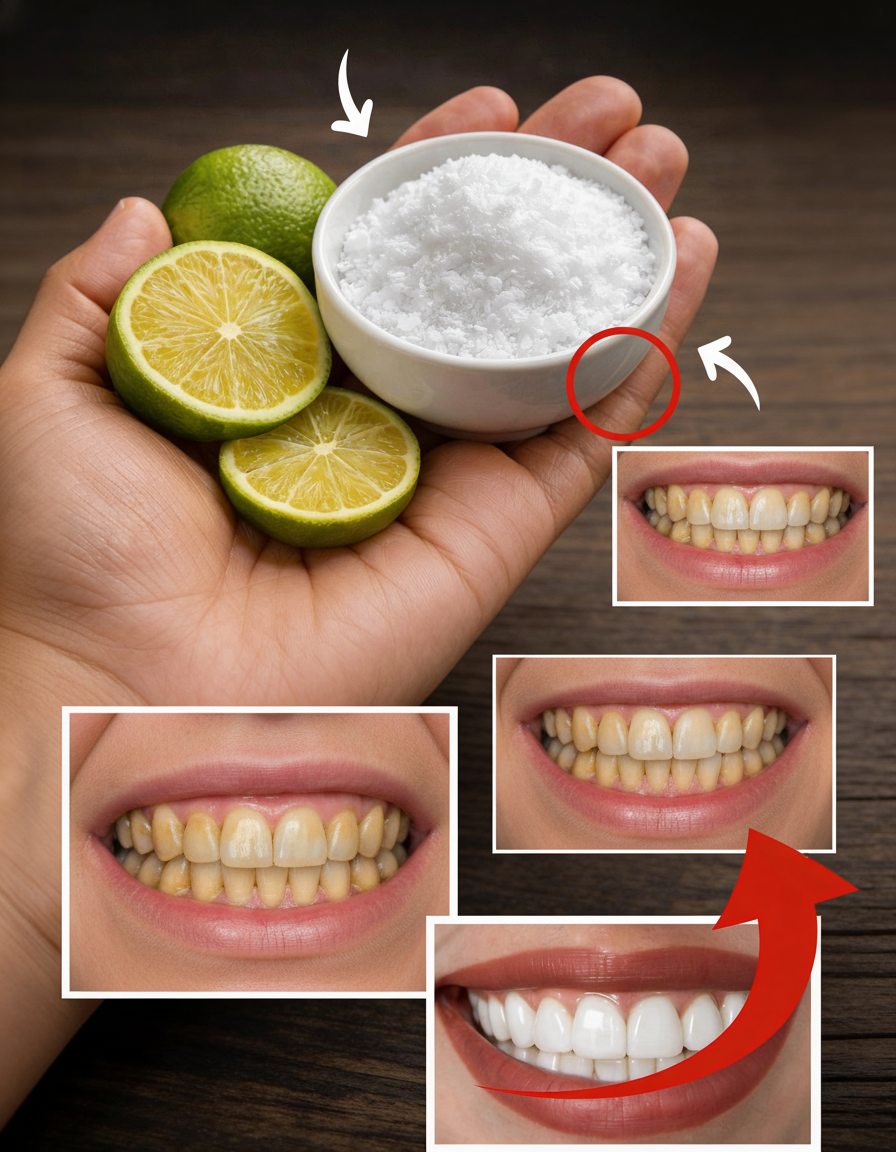
Salt and Lime Scrub for Fresher Breath and Brighter Teeth
Another natural teeth whitening technique occasionally employed by adults over 40 involves a simple scrub of salt and lime. This combination is often sought after for its dual benefits: promoting fresher breath and reducing the visibility of stains that can detract from self-assurance. The fine granules of salt provide a mild abrasive action, while the citric acid from lime offers a cleansing, refreshing sensation. To use, mix a small pinch of fine-grain salt with fresh lime juice. Gently brush your teeth with this mixture for approximately one minute, allow it to sit briefly, then rinse your mouth thoroughly. To mitigate potential risks associated with abrasion and acidity, restrict the use of this natural teeth whitening method to a maximum of two times per week.
Embracing Coconut Oil Pulling for Enhanced Oral Cleanliness and Whitening
Coconut oil pulling, a practice deeply rooted in ancient Ayurvedic traditions, has gained considerable traction within the natural teeth whitening community. Its popularity stems from its purported ability to reduce plaque buildup, a primary contributor to dull-looking teeth and diminishing self-confidence. The act of swishing oil through the mouth is believed to draw out toxins and support overall oral cleanliness. To incorporate this into your natural teeth whitening regimen, simply take one tablespoon of virgin coconut oil and swish it around your mouth for 10-15 minutes each morning, ideally before consuming breakfast. After swishing, always spit the oil into a trash can (to avoid clogging drains) and rinse your mouth thoroughly with water. While direct whitening effects are debated, research suggests potential benefits of oil pulling for improving gum health and reducing harmful bacteria.
Activated Charcoal: A Unique Approach to Natural Stain Removal
Activated charcoal has emerged as a fascinating contender in the realm of natural teeth whitening, captivating interest due to its porous nature and potential to bind to surface stains, thereby enhancing the vibrancy of midlife smiles. Nevertheless, its highly abrasive texture necessitates extremely cautious application to prevent enamel erosion. To utilize this method, first wet your toothbrush, then gently dip it into activated charcoal powder. Brush your teeth carefully for approximately two minutes, ensuring a comprehensive rinse afterward to remove all charcoal residue. To safeguard your enamel from excessive abrasion, limit the use of activated charcoal in your natural teeth whitening routine to no more than 2-3 times per week.
| Remedy | Key Benefit in Natural Teeth Whitening | Suggested Frequency |
|---|---|---|
| Baking Soda & Lemon | Potential mild polishing | Once weekly max |
| Salt & Lime | Freshening effect | 2 times weekly |
| Coconut Oil Pulling | Plaque reduction support | Daily |
| Activated Charcoal | Stain binding | 2-3 times weekly |
Final Thoughts on Your Natural Teeth Whitening Journey
While these kitchen-based remedies offer an intriguing and accessible path to a brighter smile, it’s crucial to approach natural teeth whitening with realistic expectations and a strong emphasis on safety. Consistency in your chosen method, coupled with diligent daily oral hygiene – including regular brushing, flossing, and professional dental check-ups – forms the cornerstone of maintaining a healthy, radiant smile. Remember, natural solutions primarily address surface stains. For deeper discoloration or persistent concerns, consulting with your dentist is always the best course of action to ensure both aesthetic results and optimal long-term dental health. Embrace these natural secrets wisely, and let your confidence shine through a naturally brighter smile!