 By admin
 If you’re navigating your 40s and beyond, perhaps you’ve found yourself increasingly reaching for quick, convenient meals like bacon, sausages, or deli slices. What often goes unnoticed are the subtle yet profound ways these processed meats can impact your long-term well-being. As our bodies mature, their metabolic processes shift, and a higher intake of processed meat has been consistently linked in scientific studies to an elevated risk of serious health complications. These issues can leave you feeling perpetually drained, anxious about your cardiovascular health, and stressed about missing out on precious moments with loved ones.
The good news is that by understanding precisely why consuming more processed meat elevates your risk for significant health problems, you gain the power to make informed dietary choices. These choices can proactively support your energy levels and foster greater peace of mind starting today. Stay with us until the end for actionable, straightforward tips that many adults over 40 are already integrating into their lives to feel better, often without drastic overhauls to their routines.
🥓 What Exactly Constitutes Processed Meat?
Processed meats encompass a variety of products, including popular items like bacon, ham, sausages, hot dogs, and various deli meats. These foods undergo specific treatments such as curing, smoking, salting, or the addition of chemical preservatives to enhance flavor or extend shelf life. For many of us, especially those juggling demanding schedules, consuming more processed meat becomes a default without fully considering its potential health ramifications, particularly post-40. The nagging worry that these convenient options might be silently increasing your susceptibility to serious health issues can indeed be a heavy burden. However, grasping the fundamental definition and characteristics of processed meat is the first step toward taking control before casual habits evolve into significant health concerns.
⚠️ Why Research Links Processed Meat to Elevated Cancer Risk
Leading global health organizations have unequivocally classified processed meat as a known carcinogen, meaning it’s a substance capable of causing cancer. Consuming more processed meat can significantly heighten your risk, particularly for colorectal cancer, a prospect that can feel especially alarming as you enter your 40s. For many middle-aged individuals who envision an active future, playing with grandchildren, or enjoying a serene retirement, the emotional weight of wondering if processed meat is covertly contributing to serious health problems can trigger profound anxiety and disrupt sleep. This connection becomes even more critical with age because the preservatives, nitrates, and other compounds found in processed meat are believed to contribute to adverse cellular changes and DNA damage over time. Furthermore, even moderate daily consumption of processed meat has been associated with a measurable increase in cancer risk according, to global health experts. If you’ve ever felt that unsettling sensation contemplating your family’s medical history, understanding how processed meat fits into this larger picture can be profoundly empowering, rather than overwhelming.
❤️ How Processed Meat May Escalate Heart Disease Concerns
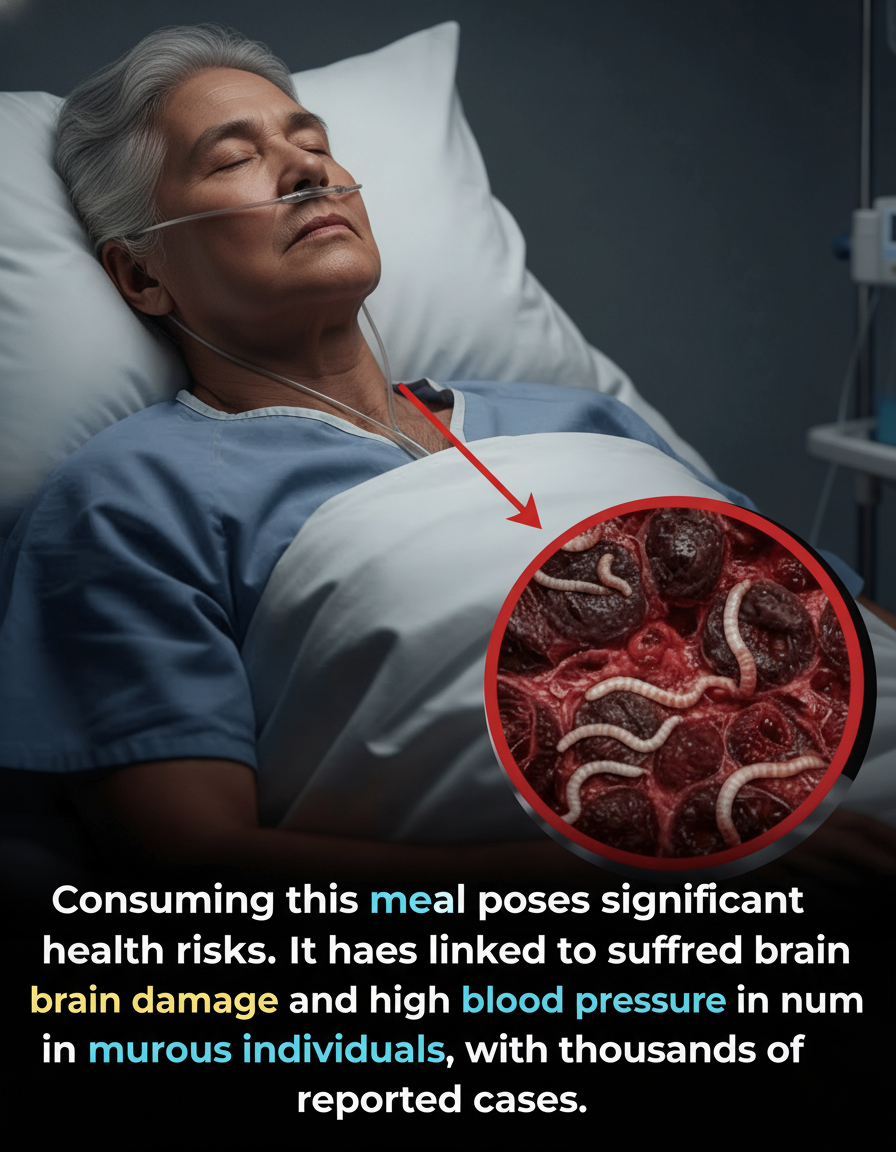
Numerous studies consistently demonstrate a strong correlation between higher processed meat intake and increased odds of developing heart disease and experiencing a stroke. This is a particularly pressing concern for adults over 40 who aspire to maintain their daily vitality without the hindrance of fatigue. The elevated sodium content and chemical preservatives inherent in processed meat are significant contributors to adverse blood pressure fluctuations, fostering stress about your long-term cardiovascular health and its potential impact on time spent with loved ones. This link often feels more personally impactful as we age. Interestingly, unlike some other dietary components, the detrimental effects of processed meat appear to be intrinsically tied to its preparation methods and the additives used during processing. If you’re already mindful of your energy levels or have a family history of heart conditions, recognizing the specific role of processed meat can significantly alleviate that persistent background worry many of us carry.
📉 Processed Meat’s Connection to Type 2 Diabetes Risk
Recent scientific findings indicate that consuming more processed meat may also be linked to a higher probability of developing type 2 diabetes. This represents a substantial concern for many individuals over 40 who are diligently balancing career demands, family responsibilities, and personal health objectives. The added nitrates, unhealthy fats, and other compounds prevalent in processed meat can negatively influence how your body metabolizes sugar, leading to stress when you contemplate your long-term energy and mobility. However, gaining clarity on this connection empowers you to make more deliberate and beneficial dietary choices. What makes this particularly pertinent? Even minor increases in processed meat consumption have been associated with shifts in metabolic health that become increasingly noticeable and problematic with advancing age. If you’ve ever worried about your blood sugar levels after a demanding week filled with convenience foods, you are certainly not alone – and taking small, informed steps can significantly lighten that burden.
🔄 Everyday Ways Processed Meat Affects Life After 40
Beyond the major disease risks, a higher intake of processed meat can also contribute to chronic low-grade inflammation and diminished energy levels. These insidious effects make everyday tasks feel more arduous, thereby amplifying the stress many adults over 40 already experience in their desire to remain vibrant and engaged. The cumulative impact of processed meat on your system can be subtle but profound, gradually eroding your overall quality of life. Consistent consumption can lead to persistent fatigue, reduced mental clarity, and a general feeling of being unwell, hindering your ability to fully enjoy life’s moments. By understanding these widespread effects, you can begin to make dietary adjustments that not only mitigate serious health risks but also enhance your daily vitality, ensuring you feel more energetic, less stressed, and ultimately, more in control of your well-being as you age.