 By admin
 Spotting small, reddish-brown insects scurrying across your patio furniture or tucked away in garden cushions can quickly shatter the tranquility of an evening outdoors. These unexpected encounters with what appear to be bed bugs often spark immediate concern: will they infest your home, pose a threat to family members, or transform your beloved outdoor sanctuary into a source of constant anxiety? For many homeowners, especially those seeking peaceful enjoyment of their garden, dealing with such pests can be particularly frustrating. While the fear is real, understanding the true nature of bed bugs in an outdoor setting is the first step toward effective, safe, and surprisingly straightforward solutions.
The Reality of Bed Bugs in Your Outdoor Space
Despite the alarm they cause, it’s crucial to understand that bed bugs are fundamentally indoor pests. Their survival hinges on regular access to human blood meals, making genuine, breeding infestations in an outdoor garden environment exceptionally uncommon. Pest control experts generally concur that any bed bugs discovered outdoors are typically transient visitors. They might be inadvertently transported on clothing, old furniture, or migrate from a nearby property, particularly during warmer weather. These resilient insects will temporarily seek refuge in sheltered spots like patio cushions, outdoor rugs, or crevices in wooden structures while searching for their next host.
Therefore, if you encounter bed bugs in your garden, they are most likely isolated stragglers rather than an established colony. This distinction is vital: targeted, immediate actions are significantly more effective against these temporary outdoor occupants than they would be for a persistent indoor infestation. However, before reaching for those “instant fix” remedies circulating online, it’s essential to examine whether such promises hold up to scrutiny.
Debunking the “Instant Disappearance” Claims for Outdoor Bed Bugs
Online, you’ve likely encountered numerous videos or articles promising that a single application of a specific liquid or spray will eradicate bed bugs from your garden instantly. While it’s true that direct exposure to high heat (like boiling water) or potent substances (such as undiluted vinegar) can immediately kill visible bed bugs upon contact by damaging their exoskeletons, the overall picture of bed bug elimination is far more complex than these dramatic demonstrations suggest.
The critical limitation of these “quick fixes” is their scope: they only affect the bed bugs that are immediately visible and accessible on outdoor surfaces. Crucially, their hidden eggs and microscopic nymphs, which are often nestled deep within crevices or fabric seams, invariably survive these superficial treatments. This leads to frustrating reappearances days or weeks later. Furthermore, indiscriminately spraying large sections of your garden with strong solutions, whether chemical or natural, carries significant risks, potentially harming your valuable plants, disrupting the delicate soil ecosystem, and even posing risks to pets or children.
No single “natural remedy” offers a guaranteed, instantaneous, and complete elimination of bed bugs in any genuine scenario. Scientific research confirms that sustained temperatures exceeding 120°F (49°C) are lethal to bed bugs, but achieving and maintaining such consistent heat across an outdoor area without specialized equipment is practically impossible. Similarly, while vinegar can repel or kill exposed bed bugs on contact, it simply cannot penetrate their various hiding spots effectively. Therefore, experienced gardeners and pest management professionals advocate for evidence-based strategies rather than relying on miraculous, overnight solutions. The good news is that while instant total eradication is a myth, you can implement effective immediate actions to significantly reduce visible bed bugs.
Effective Immediate Spot Treatments for Visible Outdoor Bed Bugs
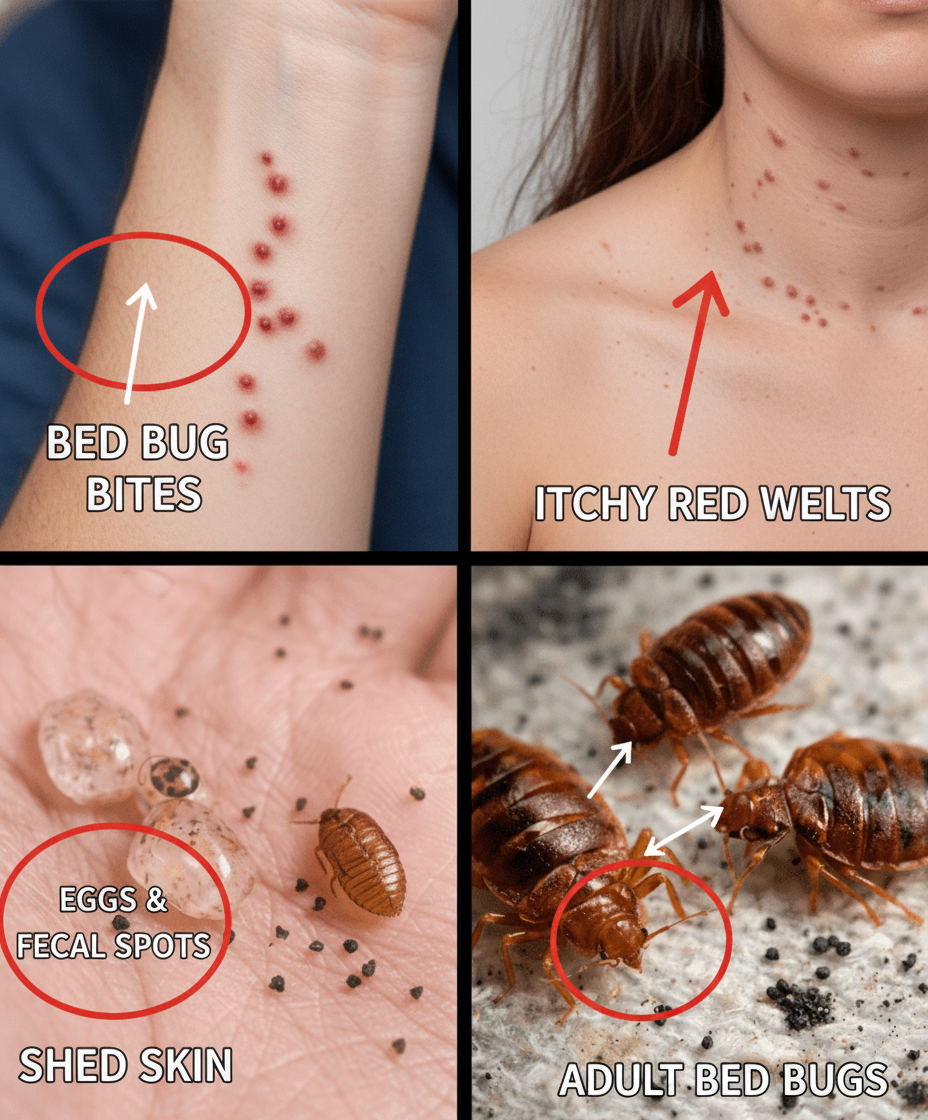
The sight of bed bugs darting across your outdoor living areas can cause immediate distress. Fortunately, there are several targeted, rapid-response methods that homeowners frequently employ with success against visible bed bugs found outdoors:
- Boiling Water Application: Carefully pour boiling water directly over bed bugs found on non-porous, hard surfaces such as stone patios, concrete, or metal furniture. The extreme heat provides an instant kill on contact.
- Direct Vinegar Spray: Prepare a spray bottle with undiluted white vinegar. Apply this solution directly onto any visible bed bugs. The acetic acid acts as a fast-acting contact killer, disrupting their systems within minutes.
- Vacuum Removal: Utilize a powerful shop vacuum to physically suck up any bed bugs you discover. Immediately after, seal the vacuum bag tightly in a plastic bag and dispose of it in an outdoor trash receptacle, far away from your home, to prevent re-entry.
These straightforward actions can provide a noticeable and immediate reduction in the number of visible bed bugs. However, it’s important to view these as initial interventions. The next crucial step involves eliminating their preferred temporary hiding spots to prevent them from lingering.
Eliminating and Securing Outdoor Bed Bug Hiding Spots
Outdoor clutter, particularly stacks of cushions, blankets, or stored items, creates ideal temporary havens for bed bugs, exacerbating your concerns. Proactive inspection and management of these areas are critical:
- Thorough Inspection: Meticulously examine every outdoor pillow, cushion, and fabric item for any signs of bed bugs, including tiny blood spots, fecal stains (small dark spots), or the bugs themselves.
- High-Heat Treatment: For all removable fabric covers and items, wash them in hot water (at least 120°F or 49°C) and follow with a high-heat drying cycle. This combination is highly effective at eradicating any existing bed bugs and their eggs.
- Secure Storage: Once cleaned, store outdoor textiles and cushions in tightly sealed plastic bags or containers when not in regular use. This prevents new bed bugs from taking refuge and isolates any potential survivors.
By systematically disrupting these temporary shelters, you significantly reduce the likelihood of bed bugs lingering in your garden and, crucially, prevent them from hitchhiking indoors. Many individuals observe a rapid decrease in bed bug sightings within days of implementing these clutter-clearing and cleaning protocols. This leads naturally to the next question: how can you ensure these pests stay away permanently?
Sustainable Strategies for Long-Term Bed Bug Prevention Outdoors
Preventing bed bugs from becoming a recurring nuisance in your garden requires ongoing vigilance and proactive measures. Neglecting outdoor clutter or inadvertently introducing infested items can repeatedly invite these pests, transforming your relaxing outdoor space into a source of constant worry and inspection. To maintain a bed bug-free outdoor environment:
- Regular Cleaning & Decluttering: Consistently clean your outdoor furniture, patio areas, and garden structures. Regularly remove fallen leaves, debris, and unnecessary clutter that can provide hiding spots.
- Inspect Second-Hand Items: Exercise extreme caution when bringing any used furniture, decor, or textiles into your garden. Thoroughly inspect these items for signs of bed bugs before they enter your outdoor space.
- Seal Cracks & Crevices: Inspect and seal any cracks or crevices in wooden decks, fences, or outdoor sheds. These can become temporary refuges for transient bed bugs.
- Maintain Neighborly Awareness: If you live in a multi-unit dwelling or close to neighbors, be mindful of their pest control efforts, especially if they are dealing with bed bugs. Ensure your outdoor items are not easily accessible from their property.
- Consider Protective Covers: Use high-quality, pest-resistant covers for your outdoor furniture and cushions when not in use, especially during off-seasons.
- Educate Yourself: Stay informed about bed bug identification and behaviors. Early detection is key to preventing larger issues.
By integrating these preventative habits into your routine, you can significantly reduce the risk of future bed bug encounters, ensuring your garden remains a peaceful and pest-free sanctuary for years to come.