 By admin
 7 Subtle Warning Signs of Esophageal Cancer You Might Be Overlooking
Imagine the simple act of swallowing, a process we rarely consider, suddenly becoming a struggle. Perhaps a bite of food feels like it’s caught halfway down, refusing to descend comfortably. Initially, you might dismiss it, taking a sip of water and moving on, convinced it’s nothing serious. But what if this minor hiccup is your body sending an early, crucial message?
Esophageal cancer often develops stealthily, its initial symptoms easily mistaken for common, less serious issues like everyday heartburn or the natural effects of aging. Groundbreaking research from organizations like the American Cancer Society consistently highlights that early detection dramatically improves treatment outcomes. Have you noticed persistent indigestion or any unusual sensations lately? Many individuals unfortunately overlook these subtle signals until the disease has progressed. Yet, there’s more to uncover – these signs often manifest within our daily routines, and a deeper understanding of them could be life-changing. Stay with us to explore these critical indicators, including a key insight that might surprise you.
Why Esophageal Cancer Often Escapes Early Detection
Your esophagus, the vital muscular tube responsible for transporting food from your throat to your stomach, typically functions without a second thought. When cancer begins to form within it, the passage gradually narrows, leading to vague and often easily ignored discomfort. Studies indicate that a significant number of esophageal cancer cases are diagnosed at advanced stages, primarily because early symptoms closely mimic those of more benign conditions such as Gastroesophageal Reflux Disease (GERD) or a hiatal hernia. Alarmingly, over half of all patients experience unintended weight loss by the time they receive a diagnosis.
You might question whether occasional heartburn warrants concern. While isolated instances are usually benign, the persistence and worsening of such symptoms can be a critical differentiator. But that’s not the full picture – let’s delve into the specific signs that often blend seamlessly into our everyday lives, making them difficult to recognize.
The 7 Critical Warning Signs You Should Not Ignore
We’re counting down the most frequently overlooked yet significant indicators, drawing on expert insights from institutions like the Mayo Clinic and the American Cancer Society.
7. Chronic Indigestion or Persistent Heartburn
Picture this: you’ve just finished a meal, and that familiar burning sensation creeps up into your chest. You might reach for an antacid and quickly forget about it. However, long-term, uncontrolled acid reflux can severely damage the delicate lining of the esophagus, significantly increasing health risks. Many people disregard this as a “normal” reaction to certain foods or stress. Research strongly suggests that persistent, recurring heartburn demands professional medical evaluation. This is often an initial, subtle clue; the next sign frequently accompanies it.
6. Persistent Hoarseness or Chronic Cough
Has your voice become unexpectedly raspy, perhaps sounding like you’ve been shouting too much, or do you have a lingering cough that just won’t clear up, even without a cold? Tumors in the esophagus can irritate nearby nerves or even lead to aspiration, where small food particles or fluids enter the airways. Patients often describe a dry, irritating cough that tends to worsen at night. While allergies or a common cold might seem like obvious culprits, an ongoing, unexplained cough or voice change should not be dismissed.
5. Unexplained Chest Pain or Pressure
A dull ache or burning sensation in your chest, often flaring up after eating, can be alarmingly similar to heart-related issues. As an esophageal tumor grows, it can exert pressure on surrounding tissues and organs. Many individuals mistakenly attribute this discomfort to simple gas, indigestion, or even anxiety. However, medical experts emphasize that this type of chest pain is frequently non-cardiac in origin. Does this resonate with your experience? The next sign often indicates a noticeable escalation.
4. Sensation of Food Getting Stuck in Your Throat (Dysphagia)
When swallowing solid foods, do you feel a momentary hesitation, as if something is lodged behind your breastbone? This early sensation, known as dysphagia, is often one of the first indicators of a narrowing esophagus. People frequently adapt without realizing, perhaps by chewing their food more thoroughly or opting for softer meals. This difficulty typically starts subtly, but a more painful version of this symptom can intensify the concern.
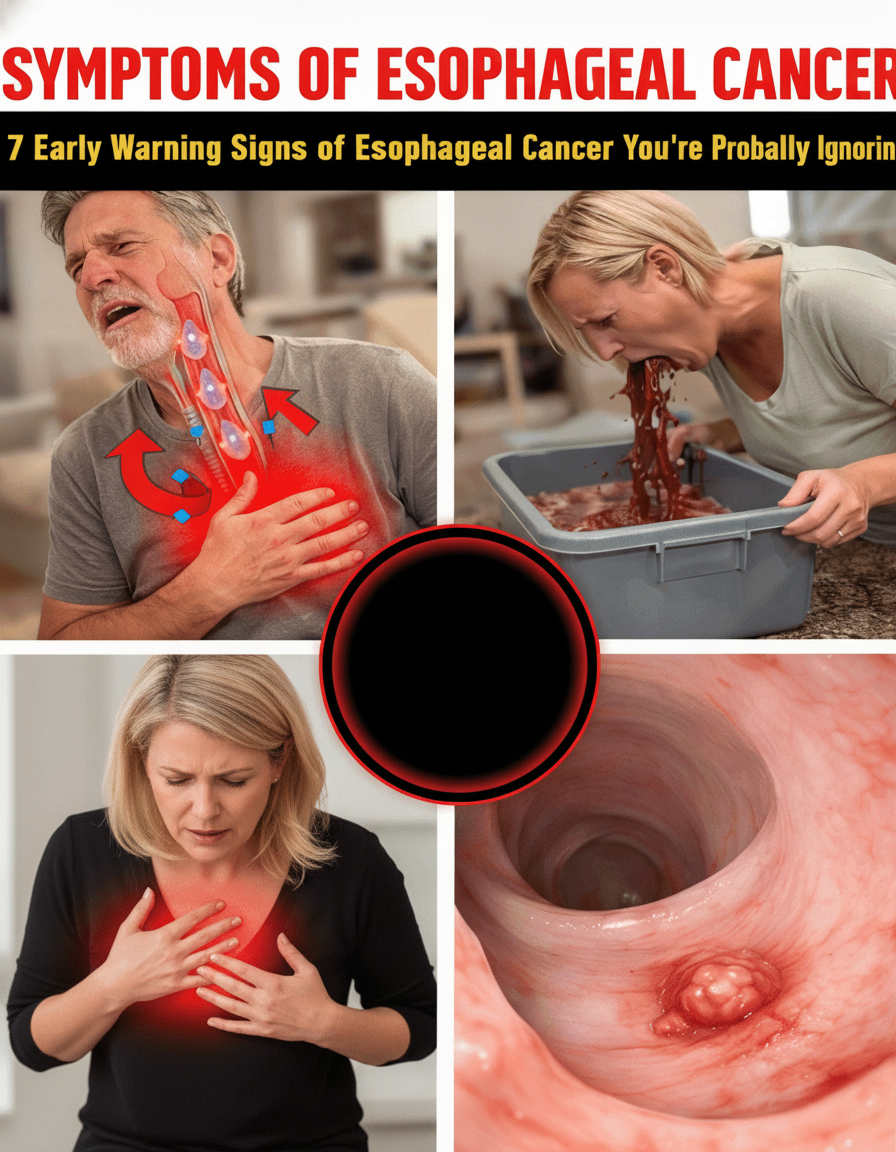
3. Painful Swallowing (Odynophagia)
Each mouthful brings sharp discomfort, a pain that might radiate to your back or chest. This symptom, called odynophagia, is a more serious indicator, signaling significant inflammation or an obstruction within the esophagus. Dry or coarse foods are particularly likely to trigger this pain. Medical research consistently highlights odynophagia as a critical red flag. It’s surprising how often this severe discomfort is excused as merely a sore throat. The next sign ties directly into this difficulty.
2. Unintentional Weight Loss
Have your clothes started fitting looser without any conscious effort to diet or exercise? Has your appetite quietly diminished? This unexplained weight loss is a concerning symptom driven by a combination of reduced food intake due to swallowing difficulties and the increased metabolic demands of a growing tumor. Up to 50% of patients experience significant weight loss before diagnosis. While you might attribute it to stress or other life factors, when combined with other symptoms, it becomes an alarming indicator.
1. Progressive Difficulty Swallowing (Worsening Dysphagia)
This is arguably the most common and critical symptom, yet it’s often reported late because people adjust to it over time. It typically begins with difficulty swallowing solid foods, gradually progressing to softer textures, and eventually even liquids. A growing tumor physically blocks the esophageal passage. This symptom tops our list because individuals often adapt to it for an extended period, unknowingly delaying diagnosis. Recognizing these patterns is key to understanding the truth.
Now, let’s quickly summarize how these warning signs can be misleading:
- Common Warning Sign: Chronic Heartburn & Indigestion
- Why It Happens: Acid damage to the esophageal lining.
- Often Mistaken For: GERD, dietary issues, or stress.
- Common Warning Sign: Difficulty/Painful Swallowing
- Why It Happens: Narrowing of the esophagus due to a tumor or inflammation.
- Often Mistaken For: Normal aging, anxiety, or a temporary sore throat.
- Common Warning Sign: Unexplained Weight Loss & Chest Pain
- Why It Happens: Reduced food intake, increased metabolic demands, and pressure from tumor growth.
- Often Mistaken For: Stress, routine heartburn, or muscle strain.
- Common Warning Sign: Hoarseness & Chronic Cough
- Why It Happens: Nerve irritation or aspiration caused by the tumor.
- Often Mistaken For: Allergies, a lingering cold, or seasonal infections.
The crucial takeaway is that recognizing these patterns early can make a profound difference.
Real Stories: How Awareness Transforms Outcomes
Consider Barbara, a 62-year-old who, for years, dismissed her persistent heartburn. It wasn’t until swallowing became genuinely painful that she sought medical attention. Tests revealed early-stage esophageal concerns, and thanks to timely treatment, she is now thriving and passionately encourages others to voice their symptoms. Similarly, Tom, 68, initially attributed his hoarseness and gradual weight loss to aging. A persistent cough eventually prompted a medical check-up, leading to a localized diagnosis and successful treatment. He is now in remission.
It’s natural to think, “This won’t happen to me.” However, these powerful stories underscore the invaluable importance of listening to your body and seeking professional advice. These examples vividly illustrate the life-saving value of paying close attention to your health. But what are the concrete steps you can take if these signs resonate with you?
Proactive Steps to Take If These Signs Resonate
There’s no need for panic, but a proactive approach is essential. If you are experiencing one or more of these warning signs persistently, especially if they are worsening or combined with other symptoms, it is crucial to consult your doctor without delay. Do not attempt to self-diagnose or postpone medical evaluation. Early detection is your most powerful tool against esophageal cancer, and a healthcare professional can provide an accurate diagnosis and guide you toward appropriate care. Your health is paramount – listen to your body and act responsibly.