 By admin
 Globally, serious health challenges persist, and millions worldwide actively seek natural avenues to bolster their well-being. A particular focus often lies on sustaining robust cellular health, mitigating inflammation, and managing daily stress. While conventional medical interventions are indispensable, a growing number of individuals are exploring complementary approaches that can nourish the body at a fundamental cellular level.
Among these natural options, frankincense has garnered considerable attention. This ancient resin, revered for centuries, is now being studied for its potential therapeutic properties. This article delves into the intriguing science behind frankincense, its purported benefits for cellular vitality, and practical, safe methods for integrating it into your daily wellness regimen.
What is Frankincense and Why the Renewed Interest?
Frankincense, also known by its botanical name olibanum, is a fragrant resin derived from the bark of Boswellia trees, predominantly found in the arid regions of the Middle East and parts of Africa. For millennia, this aromatic substance has been highly valued, not only for its distinctive, soothing fragrance but also for its perceived medicinal qualities. Historically, it played a significant role in religious ceremonies, as incense, and in various traditional healing practices aimed at promoting relaxation and holistic health.
Modern scientific inquiry has increasingly focused on the primary active compounds within frankincense, known as boswellic acids. Among these, acetyl-11-keto-β-boswellic acid (AKBA) stands out due to its distinctive influence on inflammatory pathways and cellular communication. Research indicates that these compounds may play a role in modulating crucial cellular processes, including apoptosis (programmed cell death) and cell proliferation (cell division), both of which are fundamental for maintaining healthy cellular function.
The Science Behind Frankincense and Cellular Vitality
Impact on Inflammatory Responses and Cell Regulation
Extensive laboratory investigations have explored how frankincense extracts and their boswellic acid components interact with various cell types, particularly cancer cells, in both in vitro (test tube) and animal models. These studies suggest that these compounds may modulate key enzymes involved in inflammatory cascades, such as 5-lipoxygenase. These enzymes are critical regulators of both cell growth and inflammatory processes, which are implicated in a wide spectrum of health conditions, including various forms of cancer.
In preclinical contexts, frankincense has demonstrated promise in influencing vital cellular signaling pathways, including NF-κB and PI3K/AKT. These pathways are essential for dictating cell survival and proliferation. Across diverse cancer cell lines, such as those from breast, prostate, and melanoma, frankincense compounds have shown the capacity to diminish cell viability and encourage the process of apoptosis.
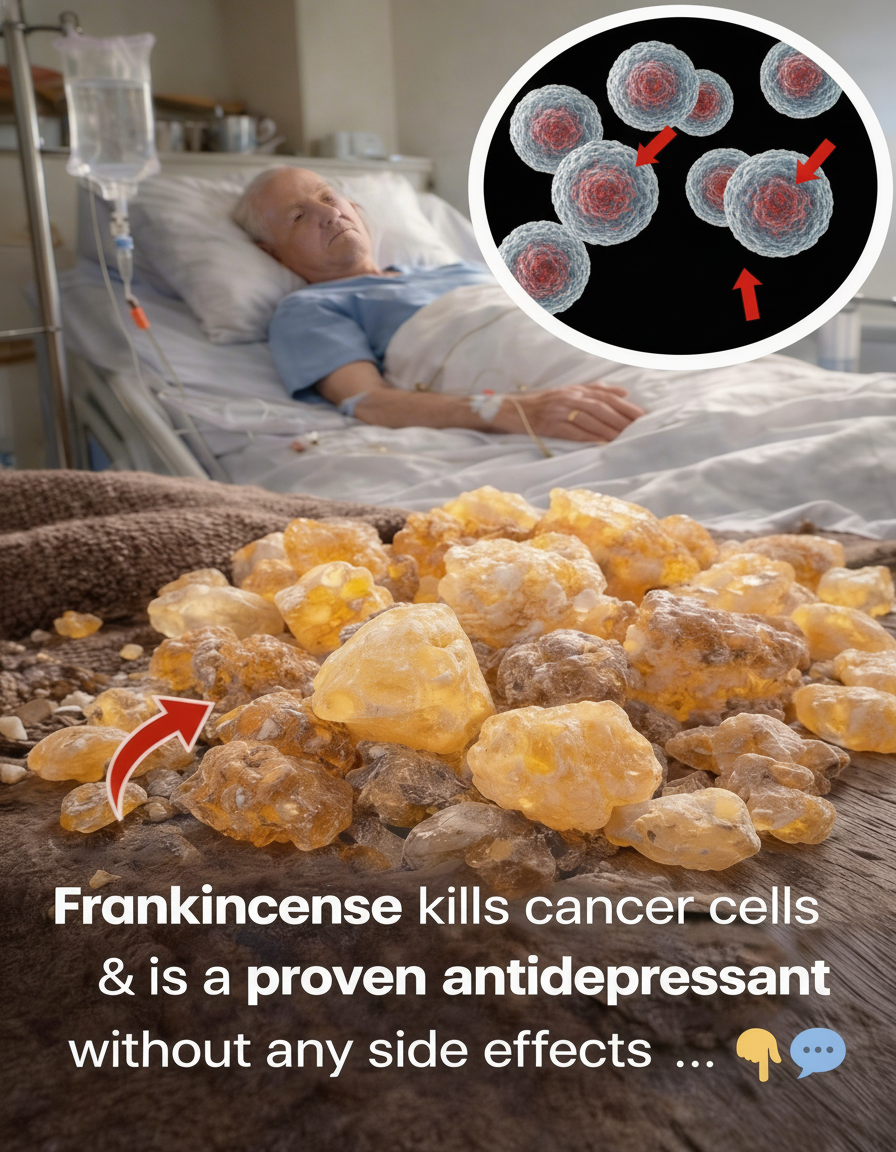
For instance, an early-stage (phase I) clinical trial involving breast cancer patients indicated that an extract from Boswellia serrata led to a notable reduction in tumor cell proliferation compared to a control group. Importantly, participants tolerated the extract well, with no significant adverse effects reported. While these initial findings are encouraging, it is crucial to remember they stem from early-stage laboratory research and small-scale human trials. Comprehensive, larger-scale randomized clinical trials are essential to validate these observations and fully ascertain the therapeutic potential of frankincense in supporting optimal cellular health.
Beyond Cellular Support: Frankincense for Mood and Inflammation
The benefits of frankincense may extend beyond direct cellular support. Its active constituents, particularly incensole acetate, have shown intriguing effects related to mood regulation in animal studies. Research in mice suggests that incensole acetate can activate TRPV3 channels in the brain, which are associated with calming and antidepressant-like behaviors. In a notable experiment, the aroma released from burning frankincense or its isolated compounds appeared to influence brain regions linked to emotions, resulting in anxiolytic (anxiety-reducing) effects.
Further animal model studies have proposed that frankincense might alleviate inflammation-induced depression and anxiety-like behaviors by reducing the levels of pro-inflammatory cytokines. While these findings offer promising avenues for future research, human evidence remains limited, underscoring the need for more extensive studies to fully comprehend these potential mood-altering properties.
Integrating Frankincense Safely into Your Wellness Routine
If you are considering incorporating frankincense into your personal wellness practices, it is paramount to do so responsibly and safely. Here are some common methods for adding this natural resin to your lifestyle:
1. Aromatherapy Diffusion
One of the most accessible and popular ways to experience frankincense is through aromatherapy. Simply add a few drops of a high-quality frankincense essential oil to an essential oil diffuser. This method allows the aromatic compounds to disperse into the air, creating a calming atmosphere and potentially offering the mood-related benefits discussed.