 By admin
 Unlock Daily Vitality: Exploring the Benefits of Purple Plant Herbal Teas for Enhanced Circulation and Urinary Well-being
As we navigate life’s journey, particularly beyond the age of 45, subtle shifts in our body’s rhythm can emerge. You might notice cooler extremities, a persistent feeling of leg fatigue, or more frequent nightly interruptions for bathroom visits. While often dismissed as typical signs of aging, these minor discomforts can gradually diminish our overall energy and self-assurance. For those seeking a gentle, natural complement to their existing health regimen, without resorting to drastic interventions, a solution might be found in a surprisingly vibrant source: purple plant herbal teas. This comprehensive guide will illuminate the profound benefits of these colorful infusions and reveal how effortlessly they can be woven into your daily wellness routine.
Why Optimal Circulation and Urinary Comfort Are More Crucial Than You Think
The importance of robust circulation extends far beyond cardiovascular health. It fundamentally impacts your daily vitality, the speed of your physical recovery, and even the comfortable warmth of your hands and feet in cooler climates. Similarly, optimal urinary function is crucial for restorative sleep and consistent daytime comfort. Factors such as hormonal fluctuations, fluid intake patterns, and even low-grade inflammation can significantly influence urinary frequency and urgency. What’s often underestimated is the cumulative power of small, consistent lifestyle choices in fostering these vital aspects of health. It is precisely within this context that the growing interest in purple plant herbal teas becomes particularly relevant.
Understanding Purple Plant Herbal Teas: A Category of Colorful Wellness
Far from being derived from a singular botanical source, “purple plant herbal tea” refers to a diverse collection of naturally vibrant infusions. These captivating beverages are crafted from antioxidant-rich flowers or leaves, each contributing to their distinct hue and health profile. Notable examples include:
- Hibiscus (Hibiscus sabdariffa): Renowned for its deep crimson-purple calyces, which impart a tart, fruity flavor.
- Butterfly Pea Flower (Clitoria ternatea): Characterized by its striking blue petals that magically transform into a rich purple when exposed to acidic elements like lemon juice.
- Purple Leaf Tea Varieties (Camellia sinensis): Special cultivars of the traditional tea plant, naturally rich in anthocyanins, which give their leaves a beautiful purple tint.
The common thread among these plants is their abundance of vibrant pigments, primarily anthocyanins. These powerful antioxidants are increasingly recognized in scientific research for their potential to support vascular and cellular health. Both their long-standing traditional use in promoting healthy circulation and urinary comfort, and their modern scientific exploration, underscore their promising role in holistic well-being.
The Vital Role of Antioxidants in Maintaining Healthy Circulation
Our bodies are constantly balancing forces, and one such balance is between free radicals and antioxidants. When this equilibrium shifts towards an excess of free radicals, a state known as oxidative stress can occur, potentially impacting the flexibility and integrity of our blood vessels over time. This is where anthocyanins, the very pigments that give these teas their beautiful purple colors, become incredibly significant. Scientific investigations are actively exploring their potential to bolster endothelial function – the crucial inner lining of our blood vessels. Emerging research reviews indicate that these compounds may contribute to:
- Maintaining healthy blood flow throughout the body.
- Encouraging the natural relaxation of blood vessels.
- Fostering overall cardiovascular harmony.
It’s important to understand that this isn’t about immediate, dramatic change. Rather, it speaks to the power of consistent, gentle nutritional support. Like many aspects of wellness, sustained effort through regular consumption is paramount.
Exploring the Wellness Potential: Key Benefits of Purple Herbal Teas
Let’s explore the specific ways purple plant herbal teas can potentially enhance your well-being, presented with clarity and a realistic perspective.
-
Enhancing Blood Vessel Integrity Through Antioxidant Action
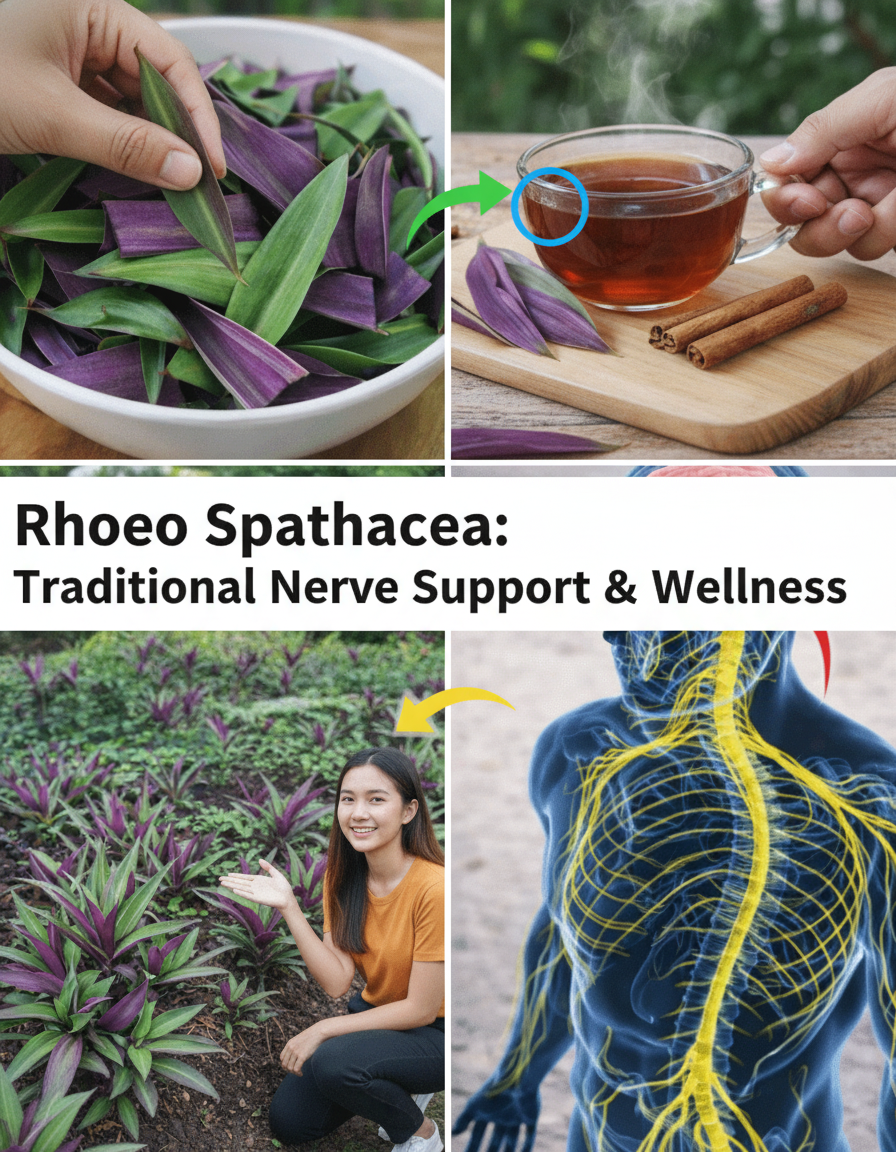
The anthocyanins abundant in hibiscus and various purple teas are extensively researched for their potent antioxidant capabilities. Preliminary studies suggest these compounds may play a role in shielding blood vessels from oxidative damage. Robust, healthy vessels are fundamental for optimal circulation, which in turn can foster a comforting sense of warmth and sustained energy throughout the day.
-
Contributing to Healthy Blood Pressure Management
A number of smaller clinical investigations focusing on hibiscus tea have indicated a potential for mild reductions in blood pressure among adults who incorporate it regularly into their diet. While individual responses can differ, this observed effect is a key reason hibiscus frequently features in discussions surrounding heart health. If you are currently monitoring your blood pressure or taking medication, it is crucial to consult with a healthcare professional before making any significant dietary changes.
-
Gentle Support for Urinary System Balance
Historically, both hibiscus and butterfly pea flower have been valued for their mild diuretic properties, meaning they may gently encourage healthy urine production. This subtle effect could contribute to:
- A sensation of reduced fluid retention or “heaviness.”
- Support for a smooth and comfortable urinary flow.
- Overall maintenance of healthy hydration levels.
As with any natural remedy, moderation is key; consuming excessive amounts is not necessarily more beneficial.
-
Natural Anti-Inflammatory Plant Compounds
Chronic low-grade inflammation can impact various bodily systems, including both vascular and urinary comfort. The polyphenols found in purple teas are currently under scientific scrutiny for their potential soothing and anti-inflammatory attributes. While these teas are not a substitute for medical treatment, incorporating them can serve as a supportive complement to a lifestyle dedicated to graceful and balanced aging.
-
A Simple, Accessible, and Enjoyable Wellness Ritual
Perhaps one of the most appealing aspects of purple plant herbal teas is their inherent simplicity and accessibility. They are typically affordable, effortless to prepare, and a genuine pleasure to consume. Transforming a routine act of hydration into a vibrant, mindful moment of self-care can be incredibly impactful. Ultimately, the consistent integration of this delightful ritual into your daily life may prove to be its most significant benefit.
Purple Plant Herbal Tea: Bridging Tradition and Modern Understanding
| Key Aspect | Potential Contribution | Current Research & Traditional Understanding |
|---|---|---|
| Circulatory Health | Promotes vessel relaxation and optimal blood flow. | Studies, particularly on hibiscus, indicate encouraging trends regarding vascular support. |
| Urinary Comfort | Offers gentle diuretic effects, supporting fluid balance. | Backed by centuries of traditional use and gaining validation from emerging scientific insights. |
| Antioxidant Defense | Provides robust cellular and vascular protection. | Comprehensive reviews on anthocyanins highlight their significant antioxidant benefits. |
| Anti-Inflammatory Properties | Helps soothe the body and mitigate low-grade inflammation. | Polyphenols within these teas are actively being investigated for their calming effects. |