 By admin
 For countless women, monthly discomforts like menstrual cramps or general fatigue are often brushed aside as an inevitable part of life. However, when these symptoms become persistent and severe, they might signal a more serious underlying condition: endometriosis. This chronic illness impacts millions globally, frequently leading to prolonged periods of undiagnosed suffering. Its symptoms often mimic everyday ailments, making early detection a significant challenge. What if your body has been sending you important signals all along? Stay with us, as we’ll share a straightforward tracking method later that could empower you to take control of your health journey.
Why Endometriosis Symptoms Are Often Overlooked
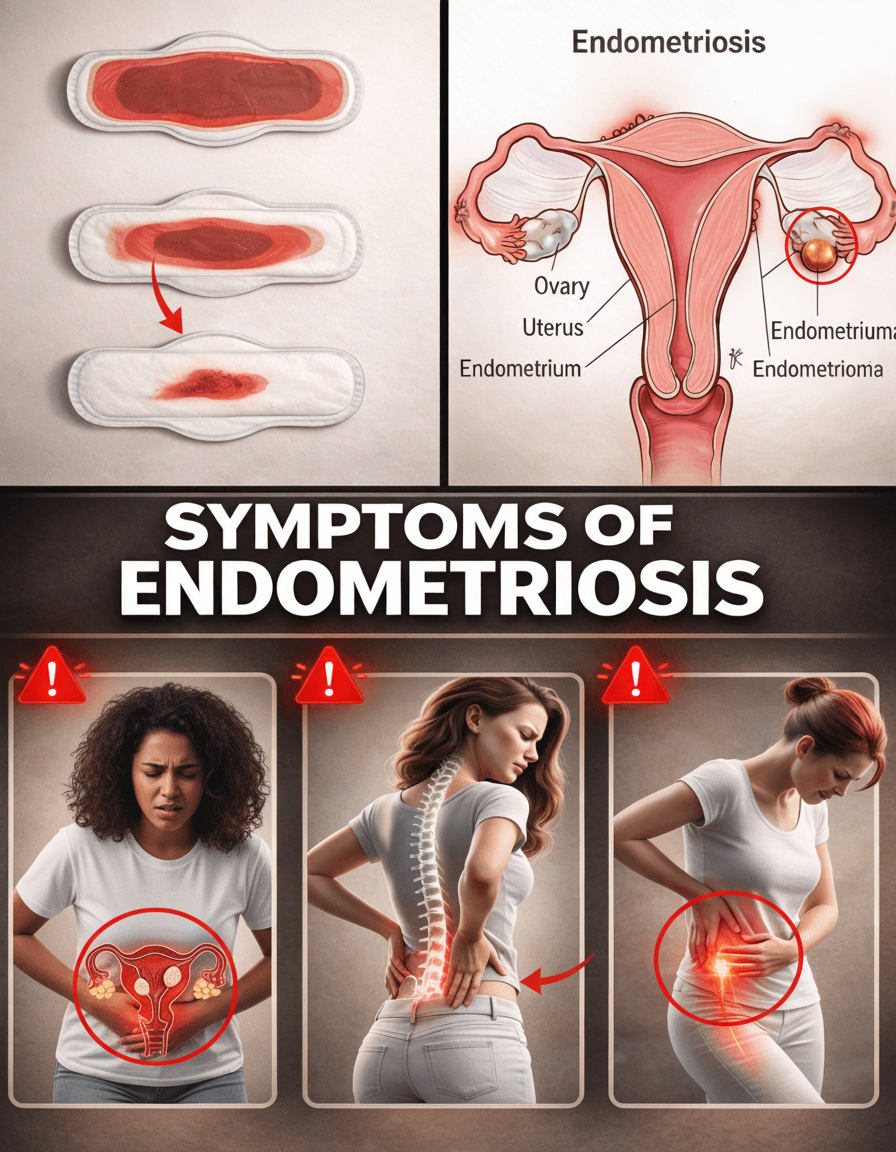
Endometriosis is characterized by the growth of tissue similar to the uterine lining (endometrium) outside the uterus, leading to inflammation and considerable pain. Organizations like the Mayo Clinic estimate that this condition affects approximately 10% of women of reproductive age. Yet, obtaining a diagnosis can be an arduous process, often taking an average of 7 to 10 years. A major reason for this delay is that its manifestations closely resemble common, less severe issues such as premenstrual syndrome (PMS) or typical digestive upsets, making them easy to dismiss.
Beyond this, many women have been conditioned to normalize these experiences, mistakenly believing they are simply an unavoidable ‘part of being a woman.’ Research from the Cleveland Clinic indicates that while pain frequently begins cyclically, it can progressively become constant over time. The crucial takeaway here is that early recognition and awareness can profoundly impact daily life management and overall well-being. Let’s now explore these 13 critical warning signs, starting with the most frequently encountered.
13. Debilitating Menstrual Cramps
Unusually intense pelvic pain and cramping that starts even before your menstrual period and persists for several days can be a significant red flag for endometriosis. This isn’t just typical period discomfort; many describe it as severe enough to interfere with daily life, leading to missed work or social engagements. The Mayo Clinic highlights this as a primary symptom, often accompanied by persistent lower back pain or abdominal discomfort. If standard over-the-counter pain relievers offer little to no relief, it’s a symptom worth closer attention. But this is just the beginning.
12. Chronic Pelvic Pain Independent of Menstruation
Experiencing persistent discomfort in your lower abdomen, pelvis, or back that isn’t exclusively linked to your menstrual cycle can be a crucial indicator. This pain may fluctuate and intensify with various hormonal shifts throughout the month. According to the Cleveland Clinic, such chronic pain often originates from the ongoing inflammation characteristic of endometriosis. It might manifest as a constant, dull ache that significantly impacts your daily routine, and while it’s easy to dismiss it as stress, it warrants further investigation.
11. Painful Intercourse (Dyspareunia)
Experiencing deep-seated pain during or immediately after sexual intercourse, often described as internal pressure or a sharp sensation, is a frequently reported yet commonly missed symptom of endometriosis. This discomfort, known medically as dyspareunia, can understandably strain relationships and lead to avoidance of intimacy. Research suggests that the presence of adhesions or scar tissue caused by endometriosis significantly contributes to this particular symptom. If you find yourself developing a growing reluctance towards sexual activity due to pain, it’s an important sign to track. Let’s now consider shifts in menstrual bleeding patterns.
10. Abnormally Heavy or Prolonged Menstrual Bleeding
Menstrual periods characterized by excessively heavy bleeding that necessitates very frequent changes of sanitary products, the passage of large blood clots, or a duration significantly longer than usual, can be indicative of endometriosis. Additionally, unexpected spotting or bleeding between cycles might also occur. Health resources often link these irregularities to underlying hormonal imbalances associated with the condition. It’s helpful to compare your own menstrual experiences with what is generally considered typical. Furthermore, digestive disturbances are frequently connected to endometriosis.
9. Painful Bowel Movements or Urination, Especially During Menstruation
Experiencing significant discomfort, an urgent need to use the bathroom, or outright pain during bowel movements or urination, particularly around your menstrual period, serves as another important clue. These symptoms can manifest as episodes of diarrhea, constipation, or even the presence of blood in your stool or urine. Such cycle-linked issues often arise when endometriosis lesions affect nearby organs like the bowel or bladder. If your bathroom routines become noticeably strained or painful during your period, it’s crucial to pay attention. Moving on, energy levels also play a significant role.
8. Overwhelming and Persistent Fatigue
A profound sense of exhaustion or consistently low energy levels, even after sufficient rest, is a common symptom of endometriosis that frequently worsens during menstruation. Many women also report experiencing “brain fog” alongside this debilitating fatigue. Research indicates that the chronic inflammation associated with endometriosis is a significant contributor to this persistent tiredness. Imagine struggling to get through your day despite getting what seems like adequate sleep. Next, let’s consider potential stomach-related symptoms.
7. Abdominal Bloating and Gastrointestinal Distress
Experiencing abdominal swelling, feelings of nausea, or general digestive upset that noticeably flares up in sync with your menstrual cycle can be a sign of endometriosis, often mimicking symptoms of Irritable Bowel Syndrome (IBS). These gastrointestinal issues tend to be most severe just before or during your period. The involvement of the gut by endometriotic lesions can explain the intensity of these symptoms. If you find abdominal bloating to be unusually pronounced and uncomfortable, it’s worth considering its potential connection to endometriosis. Following this, we address concerns related to fertility.
6. Difficulties with Conception or Infertility
For many women struggling with endometriosis, conceiving a child can become a significant challenge. In fact, up to 50% of those diagnosed with endometriosis-related infertility experience difficulties in getting pregnant after persistent attempts. The presence of inflammation, adhesions, or scar tissue caused by the condition can directly interfere with reproductive functions. The emotional distress stemming from unexplained delays in conception is a widely reported experience. If you are currently facing such struggles, it strongly suggests the need for a thorough medical evaluation. Furthermore, the pain associated with endometriosis can extend beyond the pelvic region.
5. Radiating Pain in the Lower Back, Hips, or Legs
Pain that extends beyond the immediate pelvic area, radiating into the lower back, hips, or down the legs, can also be a sign of endometriosis. This discomfort may sometimes be mistaken for sciatica due to its similar pattern. Such widespread pain originates from the chronic pelvic inflammation and potential nerve irritation caused by endometrial-like tissue. This type of pain can occur cyclically during menstruation or, for some, become a constant presence, significantly impacting mobility and comfort.
Recognizing these symptoms is the first crucial step towards understanding your body and seeking appropriate medical advice. As promised earlier, a simple way to approach your health is by maintaining a detailed symptom diary. Tracking the timing, intensity, and specific nature of your symptoms can provide invaluable information for your healthcare provider, aiding in a more timely and accurate diagnosis of endometriosis. Do not dismiss persistent or worsening discomfort; early intervention can significantly improve outcomes and quality of life.