 By admin
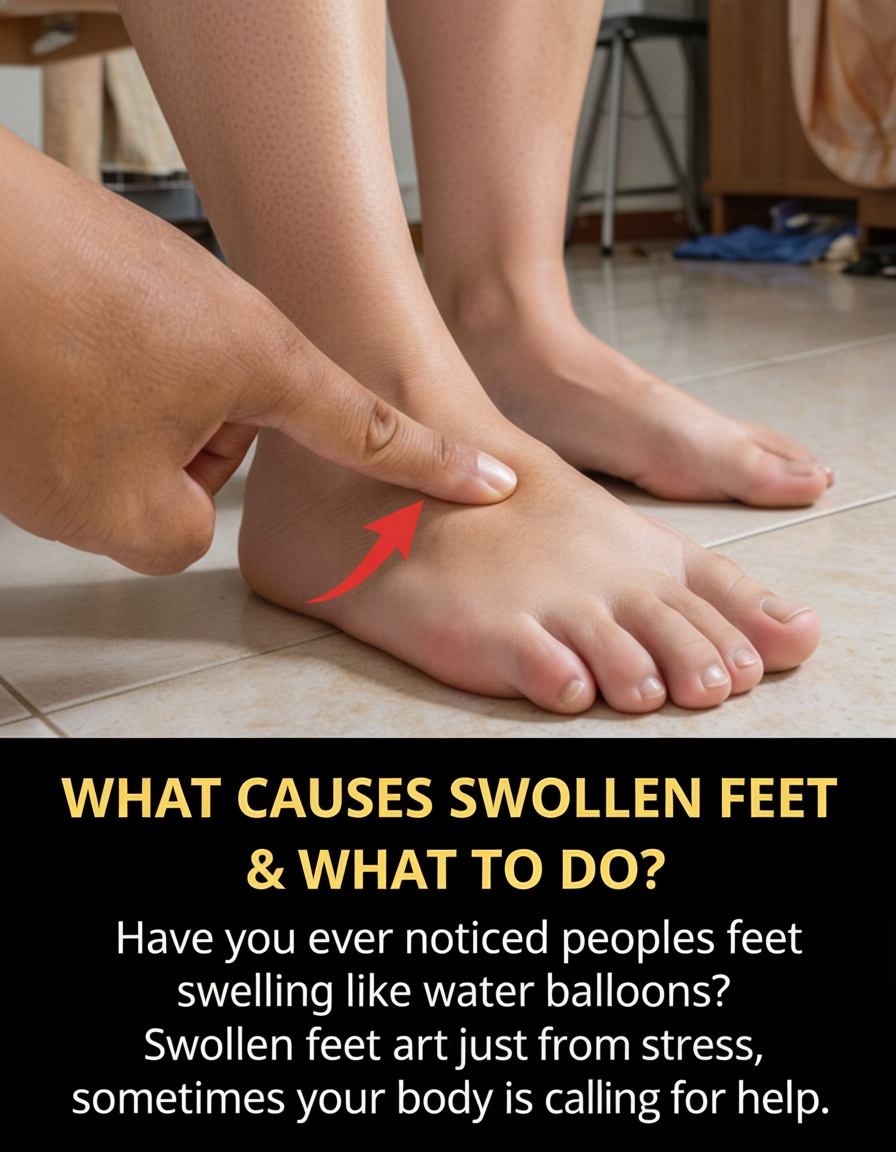
 Many of us have experienced that familiar sight at the end of a long day: removing your shoes only to discover visibly puffy feet and ankles, with skin feeling tight and stretched. This uncomfortable sensation and shiny appearance can make movement feel cumbersome, prompting questions about its normalcy. While occasional instances of swollen feet and ankles are common, persistent or sudden swelling—medically termed edema—can signal underlying issues requiring attention. The good news is that by understanding the common causes of fluid retention in the lower extremities and adopting simple, effective strategies, you can often find significant relief and improve your overall well-being. Let’s explore the reasons behind leg swelling and discover practical steps to manage it.
What Exactly Is Edema in the Feet and Ankles?
At its core, edema refers to the accumulation of excess fluid within the body’s tissues. This phenomenon frequently manifests in the feet and ankles because gravity naturally draws fluids downwards, particularly after prolonged periods of standing or sitting. As confirmed by health organizations and medical research, these areas, being furthest from the heart, are especially susceptible to fluid buildup. While mild, temporary leg swelling often resolves with rest, particularly overnight, persistent, worsening, or sudden onset of swollen feet warrants closer examination to identify potential underlying health conditions.
Common Everyday Causes of Swollen Feet and Ankles
1. Prolonged Immobility
Extended periods of standing or sitting, common in occupations like desk work or retail, or during long journeys such as flights and car rides, can significantly contribute to swollen feet and ankles. This occurs because gravity allows blood and other fluids to accumulate in the lower limbs, hindering their efficient return to the heart. Warm climates can exacerbate this effect by causing blood vessels to dilate further.
Immediate Steps for Relief:
- Incorporate brief walks or perform simple ankle rotations and flexes hourly to stimulate circulation.
- Elevate your swollen legs above heart level for 15-20 minutes several times daily to encourage fluid drainage.
- For sustained periods of standing or sitting, consider wearing compression socks to provide gentle pressure and support blood flow.
Research consistently highlights that consistent movement is crucial for enhancing circulation and minimizing fluid pooling in the lower extremities.
2. Excessive Sodium Intake
A diet high in sodium is a frequent culprit behind generalized fluid retention, manifesting as puffy feet, hands, and even a feeling of bloating or tight rings. Sodium encourages your body to retain water, leading to visible swelling.
Dietary Adjustments to Consider:
- Reduce consumption of highly processed foods, fast food, and canned goods, which are often laden with hidden sodium.
- Ensure adequate hydration by drinking ample water; this helps your kidneys flush out surplus sodium.
- Incorporate foods rich in potassium, such as bananas, spinach, avocados, and sweet potatoes, as potassium can help balance fluid levels.
Numerous health recommendations indicate that individuals often observe a noticeable reduction in swelling within days of significantly lowering their sodium intake.
Swelling During Pregnancy
Swollen feet and ankles are an exceptionally common experience during pregnancy, particularly in the third trimester. This is primarily due to several physiological changes: the body’s increased blood volume and fluid production to nourish the baby, and the enlarging uterus exerting pressure on major veins, which can impede the efficient return of blood from the legs to the heart.
Helpful Practices for Pregnant Individuals:
- Prioritize rest with your feet elevated whenever feasible.
- Minimize prolonged periods of standing to prevent fluid pooling.
- Sleeping on your left side can alleviate pressure on the vena cava, a large vein, thereby improving circulation.
- Maintain excellent hydration by drinking plenty of water.
Important Warning: If pregnancy swelling appears suddenly, becomes severe, or is accompanied by other concerning symptoms such as headaches, visual disturbances, or intense upper abdominal pain, it is crucial to contact your healthcare provider immediately. These symptoms could indicate preeclampsia, a serious condition requiring urgent medical assessment.
When Swelling Signals Potential Heart Issues
When the heart’s pumping efficiency is compromised, it can lead to a backup of fluid in the body, most noticeably manifesting as swollen legs and feet. This type of edema typically affects both sides (bilateral swelling), often worsens as the day progresses or at night, and may be accompanied by other symptoms like persistent tiredness, fatigue, or shortness of breath (breathlessness).
Crucial Steps to Consider:
- Monitor your daily weight; sudden, unexplained increases can be a key indicator of fluid retention.
- Diligently adhere to any prescribed lifestyle modifications or medical treatment plans from your doctor.
- If you experience persistent or worsening bilateral swelling alongside these symptoms, promptly seek a professional medical evaluation.
Leading health organizations strongly advise against ignoring chronic leg swelling, as it can be a sign of conditions like congestive heart failure.
Kidney-Related Fluid Retention
The kidneys play a vital role in maintaining the body’s fluid balance and filtering waste. When kidney function is impaired, they may struggle to remove excess fluid and sodium, leading to fluid retention. Beyond swollen feet and ankles, individuals might also observe puffiness around the eyes (periorbital edema), alterations in urination frequency or volume, and general fatigue.
Key Management Approaches:
- Strictly follow your doctor’s medical advice regarding diet, medication, and diagnostic tests.
- Adhere to recommended sodium restrictions, as reducing sodium intake is critical for managing kidney-related fluid retention.
It’s important to note that this form of edema typically progresses gradually over time.
Liver Conditions and Fluid Buildup
The liver produces crucial proteins, such as albumin, which help maintain fluid within the blood vessels. When liver function is compromised, the production of these proteins can decrease, allowing fluid to leak out into surrounding tissues. This can result in swelling, not only in the feet and ankles but also noticeably in the abdomen (ascites) or manifest as specific skin changes.
Urgent Medical Attention Required:
It is imperative to understand that fluid retention linked to liver conditions demands immediate and professional medical intervention. Self-management or home remedies are insufficient and potentially dangerous in these cases. A doctor’s diagnosis and treatment plan are essential.
Chronic Venous Insufficiency
Chronic Venous Insufficiency (CVI) occurs when the valves within your leg veins, which are designed to prevent blood from flowing backward, become weakened or damaged. This allows blood to pool in the lower legs rather than efficiently returning to the heart. Common symptoms include persistent aching legs, changes in skin color (often brownish discoloration), the appearance of varicose veins, and swelling that typically worsens throughout the day and subsides overnight.
Supportive Management Strategies:
- Regularly wear compression stockings as advised by a healthcare professional; these help support vein function and improve circulation.
- Elevate your legs daily, particularly after periods of standing or sitting, to assist with fluid return.
- Engage in regular physical activity, such as walking or gentle exercises, to promote healthy blood flow.
- Avoid prolonged periods of immobility, as this can exacerbate fluid pooling.
Adopting these habits early can significantly help manage the symptoms and slow the progression of chronic venous insufficiency.