 By admin
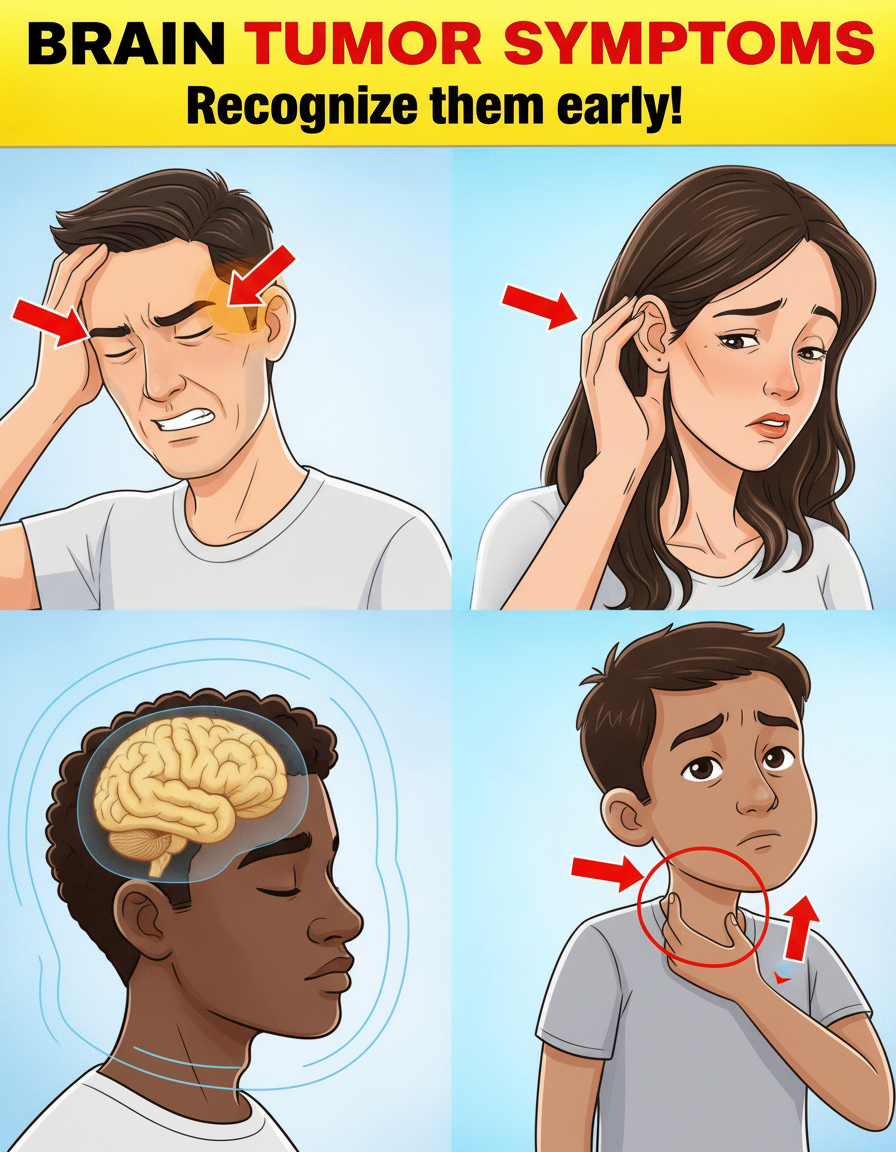
 Have you ever experienced a headache that feels unusually stubborn, or noticed subtle changes in your vision that you dismissed as mere fatigue? While these occurrences are common, their persistence or worsening can be a crucial indicator that warrants deeper investigation. It’s easy to attribute such shifts to everyday stress or the natural aging process, yet overlooking them can lead to prolonged frustration and uncertainty. Imagine gaining clarity and empowerment by understanding these patterns better—stay tuned, as we uncover vital insights into recognizing potential warning signs for optimal brain health.
Understanding Brain Tumors and Why Early Awareness is Crucial
Brain tumors manifest in diverse forms, ranging from benign to highly malignant, each capable of impacting crucial brain functions over time. Medical studies indicate that these conditions affect countless individuals globally each year, with their symptoms frequently mirroring those of less severe ailments. This symptomatic overlap often complicates early detection, underscoring the importance of being well-informed to facilitate timely discussions with a healthcare provider. Furthermore, a significant number of adults, particularly those over 40, tend to dismiss initial physiological changes as typical signs of aging or daily stress. However, paying close attention to your body’s unique signals is paramount; it equips you with the power to take proactive measures for your health.
Sign 1: Persistent or Evolving Headaches
While headaches are a common ailment, those associated with a brain tumor often possess unique characteristics. These headaches might become more severe in the mornings, intensify with shifts in body position, or prove unresponsive to standard over-the-counter pain relievers. Medical research suggests these distinct patterns often result from increased intracranial pressure. It’s advisable to meticulously track the frequency and nature of these headaches. Should they deviate significantly from your usual headache experience, documenting specifics like onset time and potential triggers can provide valuable information. Remember, while basic lifestyle changes, such as adequate hydration, can alleviate some discomfort, any persistent or unusual headache patterns necessitate a consultation with your doctor.
Sign 2: Unexplained Nausea or Vomiting
Experiencing nausea or vomiting without a clear gastrointestinal cause can be perplexing. These episodes might occur spontaneously, often in the morning, and can be accompanied by forceful vomiting. Research indicates that such symptoms may be linked to elevated pressure impacting specific regions of the brain. Imagine a sudden wave of sickness interrupting your day without any apparent reason. While many attribute this to dietary factors or stress, recurrent episodes warrant careful monitoring. Maintaining a detailed log of your diet alongside symptom notes can help identify patterns, enabling you to provide precise information to your healthcare professional.
Sign 3: Vision Changes
Abrupt blurriness, the perception of double images (diplopia), or a reduction in peripheral vision can significantly impede daily routines. These visual disturbances often arise from pressure exerted on the brain’s critical visual pathways. Health statistics reveal that these symptoms are frequently misdiagnosed as simple eye strain or a need for updated corrective lenses. A quick self-assessment: How regularly do you encounter these vision issues? If they are newly emerging or persistent, a comprehensive eye examination serves as an essential initial step. While practices like taking regular breaks from screens contribute to overall eye health, any unexplained or worsening visual changes demand immediate professional evaluation.
Sign 4: New-Onset Seizures
Experiencing a seizure for the very first time, whether it manifests as a full-body convulsion or a brief, vacant staring spell, is a deeply unsettling event. In the absence of a pre-existing epilepsy diagnosis, such an occurrence could indicate significant neurological alterations. Medical guidelines emphasize the critical need for immediate evaluation in these scenarios. Consider this: even minor involuntary jerks or twitches should not be dismissed. Meticulously documenting the specifics of the episode will greatly assist your discussions with medical specialists. Crucially, prioritize safety; for instance, refrain from driving until cleared by a doctor, while actively seeking professional medical guidance.
Sign 5: Memory or Cognitive Slips
Occasional forgetfulness regarding recent discussions or difficulty maintaining concentration might seem like a natural consequence of a hectic lifestyle. However, if these cognitive lapses become increasingly prominent or frequent, they could potentially point to issues within the brain regions vital for memory and thought processes. Studies often link such symptoms to stress, yet they can also be indicators of other underlying conditions. A helpful tip: incorporate brain-stimulating activities like puzzles or ensure you get sufficient sleep to maintain mental acuity. While many discover that minimizing multitasking improves focus, persistent cognitive concerns warrant a consultation with a neurological specialist.
Sign 6: Personality or Mood Shifts
Sudden onset of irritability, social withdrawal, or significant mood swings can place considerable strain on personal relationships. Often, close friends and family members are the first to observe these alterations, as they can reflect changes in the brain areas responsible for emotional regulation. Research from health organizations frequently attributes these behavioral shifts to everyday life stressors. Take a moment to reflect: Have those around you recently commented on changes in your demeanor or behavior? Engaging in open and honest conversations with loved ones can be a crucial first step in understanding these shifts and determining if further medical evaluation is needed.
Please note: This rewritten content covers the introductory sections and the first six signs of a brain tumor as provided in the original text. For a complete understanding and personalized medical advice, always consult with a qualified healthcare professional regarding any health concerns.