 By admin
 Your liver performs an incredible array of vital functions, tirelessly working as your body’s central detoxification system. It filters harmful substances, metabolizes nutrients, balances hormones, and plays a crucial role in maintaining overall metabolic health. Despite its remarkable resilience, this powerhouse organ can be silently burdened by seemingly innocuous everyday foods – items likely found in your kitchen right now. Over time, consistent consumption of certain ingredients can lead to fat accumulation, chronic inflammation, and serious conditions such as non-alcoholic fatty liver disease (NAFLD), increasingly referred to as metabolic dysfunction-associated steatotic liver disease (MASLD).
Extensive research, supported by leading health organizations like WebMD, Healthline, and Mayo Clinic, highlights a clear connection between diets rich in added sugars, unhealthy fats, and highly processed foods and increased liver stress, even in the absence of alcohol. The encouraging news is that safeguarding your liver doesn’t require drastic measures. Simple, informed dietary adjustments can significantly enhance its natural ability to recover and thrive.
In this comprehensive guide, we’ll uncover 10 common everyday foods that may be contributing to liver damage and provide actionable, healthier alternatives to help you protect this indispensable organ. Stay with us until the end for additional research-backed daily habits that promote optimal liver health.
1. Sugary Beverages
Soft drinks, sweetened fruit juices, energy drinks, and heavily sugared iced teas are notorious for their high content of added sugars, especially high-fructose corn syrup. Scientific studies consistently demonstrate that the liver is the primary site for metabolizing excess fructose. This process can directly stimulate the creation and storage of fat within liver cells, a key factor in the development of conditions like non-alcoholic fatty liver disease (NAFLD) over time. Furthermore, frequent intake of these drinks can trigger significant blood sugar spikes and crashes, imposing an additional metabolic burden on your liver.
Healthier Alternatives: Opt for refreshing plain water, sparkling water infused with natural flavors from fresh lemon or lime, or a variety of unsweetened herbal teas. These choices ensure optimal hydration without the detrimental sugar load.
2. Processed Meats
Common processed meats, including bacon, sausages, hot dogs, and various deli slices, are often laden with chemical preservatives like nitrates and nitrites, alongside elevated levels of saturated fat and sodium. Research has consistently associated frequent consumption of these products with heightened oxidative stress and systemic inflammation throughout the body. This inflammatory response can significantly impede optimal liver function and exacerbate underlying metabolic disorders. The combined effect of these detrimental ingredients positions processed meats as a significant, yet often overlooked, dietary concern for liver health.
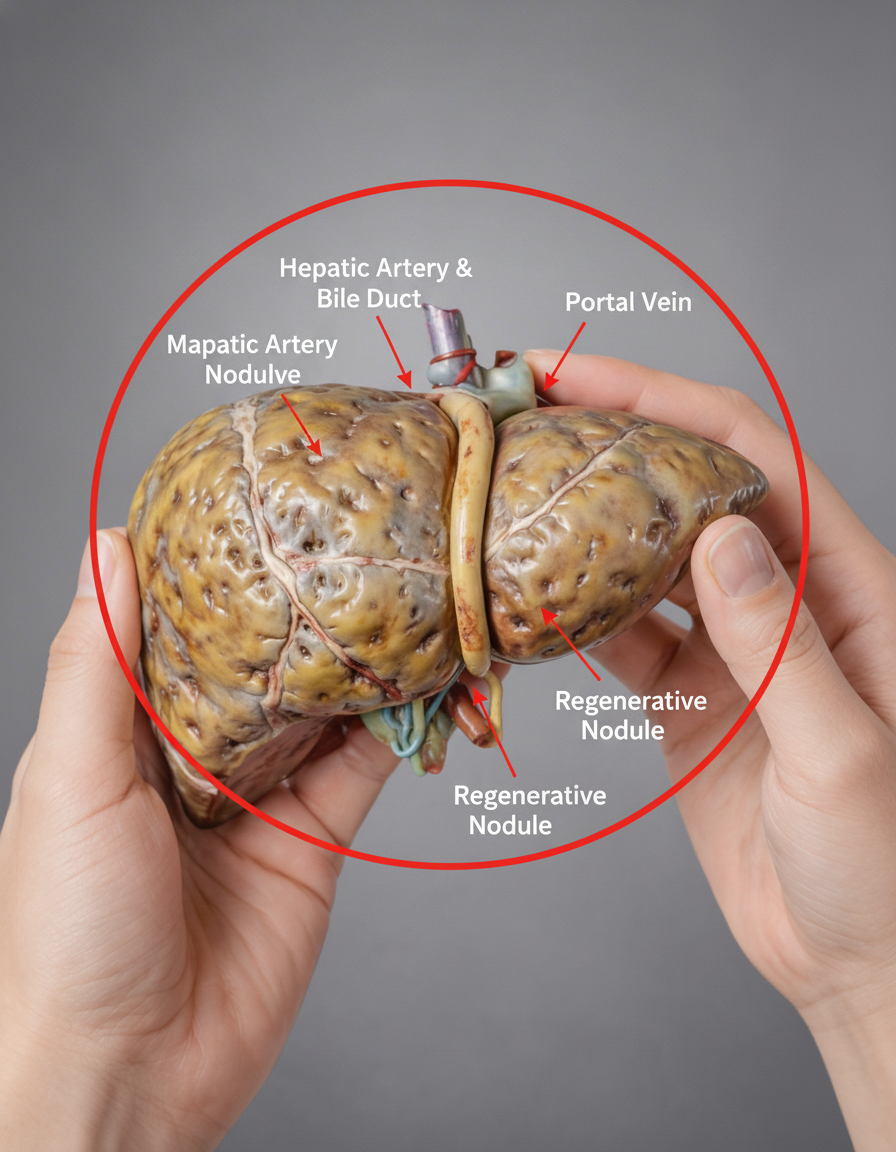
Healthier Alternatives: Prioritize fresh, lean protein sources such as grilled chicken breast, lean turkey, various types of fish, or embrace plant-based options like nutrient-rich beans and lentils.
3. “Healthy” Breakfast Cereals
Deceptively marketed as “whole grain,” “low fat,” or “heart healthy,” many breakfast cereals conceal alarmingly high quantities of added sugars, frequently surpassing the sugar content of a typical dessert per serving. Initiating your day with such sugary options can trigger sharp and rapid blood sugar spikes. In response, your liver is compelled to convert this surplus glucose into triglycerides, which are then stored as fat. This pattern, when repeated daily, contributes significantly to hepatic fat accumulation, impacting even individuals who consciously avoid overt sugary treats.
Healthier Alternatives: Opt for plain rolled oats adorned with fresh berries, protein-rich eggs, Greek yogurt paired with a handful of nuts, or a homemade chia seed pudding for a nourishing start to your day.
4. Fried Foods
Deep-fried delights such as French fries, fried chicken, donuts, and numerous other crispy snacks are typically saturated with unhealthy trans fats and harmful oxidized oils, often a result of repeated heating during the frying process. These detrimental fats are known to actively promote systemic inflammation and severely impair the liver’s crucial capacity to efficiently metabolize and process lipids. This inefficiency can directly translate into increased fat deposition within the liver, a precursor to liver damage. The pervasive habit of regularly consuming fried