 By admin
 Peripheral Artery Disease: 7 Critical Warning Signs in Your Legs and Feet You Shouldn’t Overlook
Peripheral Artery Disease (PAD) is a common circulatory condition impacting millions globally, frequently progressing unnoticed until severe complications manifest. A significant number of adults dismiss early, subtle alterations in their lower limbs—their legs and feet—as mere symptoms of aging or benign discomfort. However, these seemingly minor indicators can signal diminished blood flow resulting from arterial narrowing, significantly elevating the risk of more critical health problems if neglected. Prompt identification of these signs enables crucial, early consultations with medical professionals. Could these everyday physical cues be your body’s urgent signal for attention? Continue reading to discover essential warning signs, supported by medical research, along with actionable steps you can take.
Understanding the Silent Threat: Why PAD Becomes Critical After 40
With advancing age, particularly post-40, arteries are susceptible to narrowing due to the accumulation of plaque, thereby impeding adequate blood supply to the lower extremities. Research indicates that Peripheral Artery Disease impacts a substantial segment of individuals over 60, yet numerous instances remain undiagnosed because symptoms are either subtle or erroneously attributed to the natural aging process. This compromised circulation deprives muscles and tissues of vital oxygen and nutrients, especially during physical exertion. Over an extended period, this can precipitate chronic discomfort, impaired wound healing, and an elevated predisposition to serious cardiovascular issues. The positive news is that heightened awareness and proactive discussions with your physician can profoundly alter outcomes. Take a moment for self-assessment: Do your legs frequently feel fatigued or uneasy during routine activities like walking? Recognizing such patterns is the initial stride toward better health.
The 7 Critical Warning Signs of PAD
Sign 1: Intermittent Claudication – Activity-Induced Leg Pain
Perhaps the most characteristic indicator of PAD is intermittent claudication: a distinctive pattern of leg pain or cramping that arises during physical exertion, such as walking or exercise, and consistently subsides with rest. This discomfort, frequently localized in the calves, thighs, or buttocks, occurs because active muscles require an increased supply of oxygenated blood, which narrowed arteries are unable to adequately deliver. Prominent health organizations, including the American Heart Association, identify this symptom as a hallmark of PAD. The pain typically recedes within minutes of discontinuing activity, only to recur once movement is resumed. Beyond mere cramping, many individuals characterize this sensation as a constricting, burning feeling that compels them to halt. Should this description resonate with your experiences, diligently monitoring the distance you can cover before the onset of discomfort can furnish invaluable data for your healthcare provider.
Sign 2: Diminished or Absent Pulses in Lower Limbs
Normally, healthy arteries manifest robust, consistent pulses in specific locations, such as behind the knee (popliteal artery) or on the top of the foot (dorsalis pedis artery). A medical examination revealing these pulses to be faint, weak, or entirely absent often serves as a critical indicator of compromised blood flow. Physicians commonly employ straightforward manual palpation or utilize diagnostic instruments like Doppler ultrasound to accurately assess arterial pulsation. Reputable medical references underscore that the presence of weak pulses can frequently precede the development of any noticeable pain. While attempting self-palpation may not always yield accurate results, a professional medical assessment is both uncomplicated and highly informative.
Sign 3: Noticeable Skin Discoloration and Temperature Variations
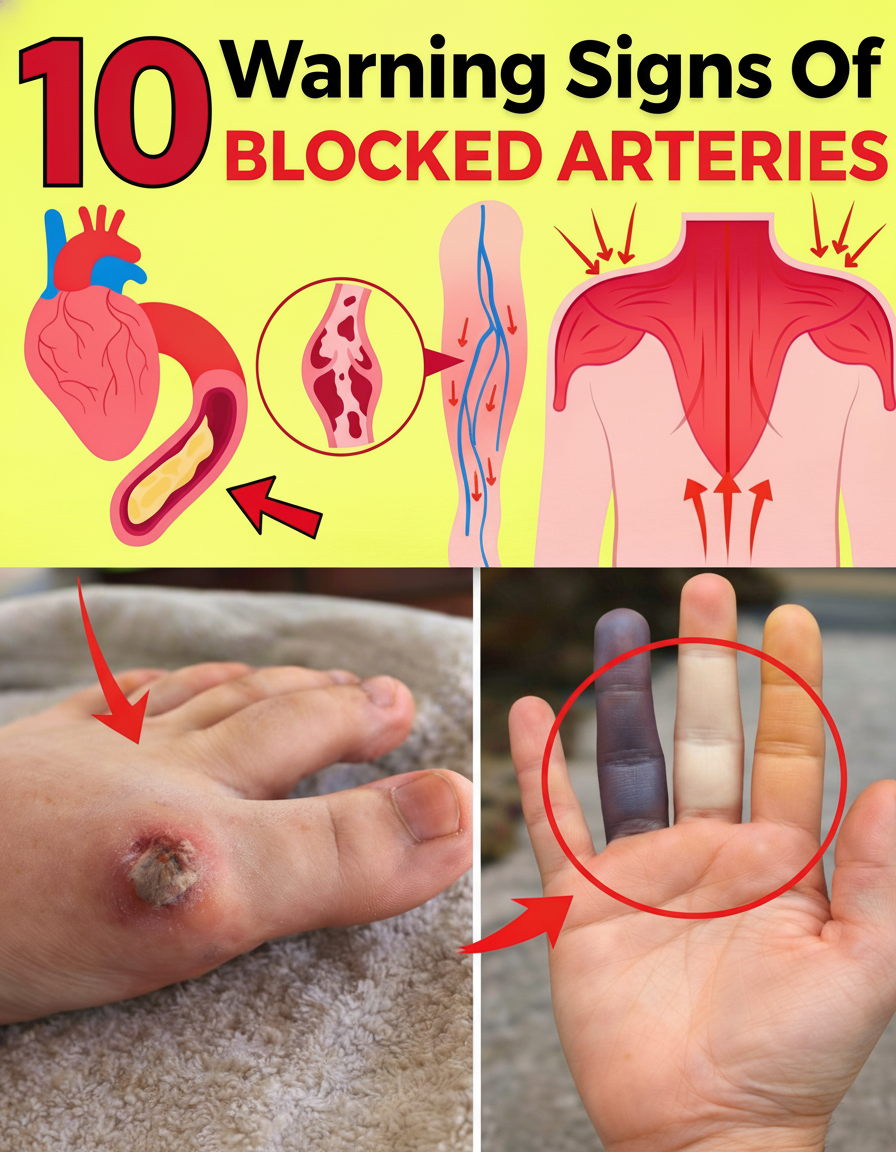
A striking visual cue can be a noticeable difference in skin tone: one leg or foot might appear unusually pale when elevated, or conversely, adopt a bluish or purplish hue when positioned in a dependent (hanging down) state. Concurrently, the compromised limb frequently feels significantly cooler to the touch compared to its healthy counterpart. These distinct visual and tactile disparities arise from a sustained, insufficient blood supply impacting the skin and underlying tissues. Comprehensive medical analyses consistently associate these changes with chronic oxygen deprivation. It is advisable to visually inspect both legs under optimal lighting conditions; any persistent, unexplained differences warrant prompt medical consultation. You’re taking an important step by staying informed – let’s explore further signs.
Sign 4: Persistent, Non-Healing Sores or Wounds
One of the more alarming signs involves seemingly minor skin injuries—such as small cuts, blisters, or superficial sores—that fail to heal within a normal timeframe, persisting for weeks on the lower legs or feet. This impaired healing capacity is a direct consequence of inadequate circulation, which severely restricts the delivery of essential oxygen, vital nutrients, and crucial immune cells necessary for tissue repair and recovery. This particular symptom holds heightened significance for individuals managing diabetes, as their risk of such complications is considerably elevated. Leading health authorities stress that any unhealing wounds on the lower extremities necessitate urgent medical assessment. If you observe any sore that remains unhealed for over two weeks, it is imperative to consult with a healthcare professional without delay.
As we reach the halfway point, take a brief moment for reflection. We’ve discussed four significant indicators of potential PAD. Which of these descriptions, if any, feels most relevant to your own experiences or observations? What do you anticipate the subsequent warning signs might involve? Consider your current level of leg comfort compared to when you began reading this article. Ready to delve into the remaining crucial signs? Let’s continue.
Sign 5: Shiny Skin and Loss of Leg Hair
A noticeable aesthetic alteration can be the thinning or complete disappearance of hair on the lower legs, particularly below the knee. Concurrently, the skin in the affected region often takes on an abnormally smooth and glossy, almost shiny, appearance. These changes are direct consequences of insufficient blood flow compromising the health and function of hair follicles and altering overall skin texture. Clinical vascular research frequently documents these specific dermatological signs in a considerable percentage of individuals with moderate PAD. A direct comparison of both legs, ideally under good lighting, will frequently make these differences strikingly apparent.
Sign 6: Erectile Dysfunction in Men (An Early Indicator)
For men, the development of new or progressively worsening erectile dysfunction (ED) can serve as a significant, albeit often overlooked, early warning sign of underlying vascular issues, including PAD. This is because the arteries supplying blood to the penis are among the smallest in the body and can be affected by plaque buildup sooner than larger arteries. Reduced blood flow due to narrowed pelvic arteries can directly impair a man’s ability to achieve or maintain an erection. While ED can stem from various causes, its sudden onset or exacerbation, especially in conjunction with other leg symptoms, warrants a comprehensive medical evaluation to rule out vascular disease.
Sign 7: Numbness, Weakness, or Persistent Coldness in a Limb
Beyond pain and visible changes, a consistent feeling of numbness, weakness, or unexplained coldness in one leg or foot, even in warm environments, can be a critical indicator of severely restricted blood flow. This sensation arises when nerves and tissues are deprived of adequate oxygen and nutrients due to narrowed arteries. While occasional numbness might be benign, persistent or progressive symptoms affecting one limb should never be ignored. This can sometimes escalate to a burning or aching pain in the toes or feet even at rest, a more advanced sign of critical limb ischemia (CLI), which requires immediate medical attention.
When to Seek Medical Advice
Recognizing these warning signs of PAD is the first crucial step towards proactive health management. If you experience any of these symptoms, particularly if they are persistent, worsening, or affecting your quality of life, it is vital to consult your doctor promptly. Early diagnosis and intervention can significantly slow the progression of PAD, alleviate symptoms, and reduce the risk of serious complications such as heart attack, stroke, or limb amputation. Don’t dismiss these signals as merely “getting older.” Your vascular health is a cornerstone of overall well-being, and a timely conversation with a healthcare professional can make all the difference in maintaining it.
Taking Action for Your Vascular Health
Understanding the signs of blocked arteries in your legs and feet empowers you to advocate for your health. Simple lifestyle adjustments, medication, or in some cases, medical procedures can effectively manage PAD. By paying attention to your body’s subtle messages, you can work with your doctor to develop a personalized plan, ensuring better circulation and a healthier, more active future. Don’t let these silent signals become a hidden threat. Prioritize your vascular health today.