 By admin
 Unlocking the Power of Chayote: A Low-Calorie Superfood for Heart, Digestion, Blood Sugar, and Overall Wellness
Many individuals, particularly as they approach or pass their mid-thirties, begin to notice subtle shifts in their well-being. These can manifest as a slower metabolism, occasional digestive discomfort, or unpredictable energy levels, making daily life feel more challenging. Such changes can lead to frustration, especially when conventional healthy eating habits don’t seem to yield the expected results. Discovering simple yet powerful additions to your diet, like chayote, a remarkable and versatile squash, could offer fresh insights into supporting your overall health naturally. But there’s a unique benefit this vegetable provides that often goes overlooked, and we’ll reveal it towards the end – so keep reading to uncover this surprising advantage!
What Exactly Is Chayote and Where Does It Originate?
Chayote, scientifically known as Sechium edule, and affectionately called ‘vegetable pear’ due to its distinctive shape, is a mild-flavored member of the gourd family. While it first emerged in the lush regions of Central America, its adaptability has allowed it to flourish in various climates worldwide. This unique, pear-shaped vegetable boasts a crisp texture and a delicate taste profile, often described as a refreshing blend of cucumber and apple. It can be enjoyed both raw in salads or cooked in various culinary creations.
Extensive research confirms chayote’s status as a remarkably low-calorie food, providing approximately 19 kilocalories per 100 grams. This makes it an excellent choice for anyone aiming to maintain a balanced diet without sacrificing flavor or nutritional intake. Beyond its minimal caloric impact, chayote’s rich nutrient composition, including essential fiber, vitamins, and minerals, makes it a valuable asset for daily health and vitality.
Delving into Chayote’s Key Nutritional Components
Chayote is a powerhouse of essential nutrients, delivering significant benefits without contributing excessive calories. Here’s a detailed overview of the nutritional value typically found in one cup (approximately 132 grams) of chayote:
| Nutrient | Amount per Cup | % Daily Value | Key Benefit |
|---|---|---|---|
| Dietary Fiber | 2-3 grams | 8-12% | Supports healthy digestion and satiety |
| Vitamin C | 10-20% DV | Boosts immune function and acts as an antioxidant | |
| Potassium | 10-15% DV | Helps regulate blood pressure and fluid balance | |
| Folate (Vitamin B9) | 15-20% DV | Crucial for cell division and DNA synthesis |
These vital elements work synergistically within the body to promote overall wellness. For instance, the fiber content is instrumental in maintaining a healthy digestive system, while potassium plays a critical role in fluid regulation and cardiovascular function. Scientific studies further emphasize chayote’s abundance of potent antioxidants, such as flavonoids and polyphenols, which are crucial for protecting cells from damage caused by free radicals. The consistent inclusion of such nutrient-rich foods can genuinely transform how you feel and function each day.
How Chayote Contributes to Balanced Blood Sugar Levels
Maintaining stable energy levels is a priority for many, especially those navigating demanding modern lifestyles. Chayote’s significant soluble fiber content plays a crucial role in this by slowing down the absorption of carbohydrates, which can effectively help in regulating blood sugar levels. A comprehensive systematic review highlighted that regular chayote consumption may lead to reduced serum glucose levels, particularly in older adults managing metabolic conditions.
Furthermore, animal studies have indicated that compounds present in chayote can enhance insulin sensitivity by influencing enzymes integral to glucose control. Interestingly, the pectin found in chayote has been shown to modulate blood glucose through intricate gut-liver pathways, involving the production of beneficial short-chain fatty acids. To easily incorporate this benefit into your diet, consider adding thinly sliced raw chayote to your favorite salads for a refreshing and healthy boost.
Chayote’s Potential for Enhancing Heart Health
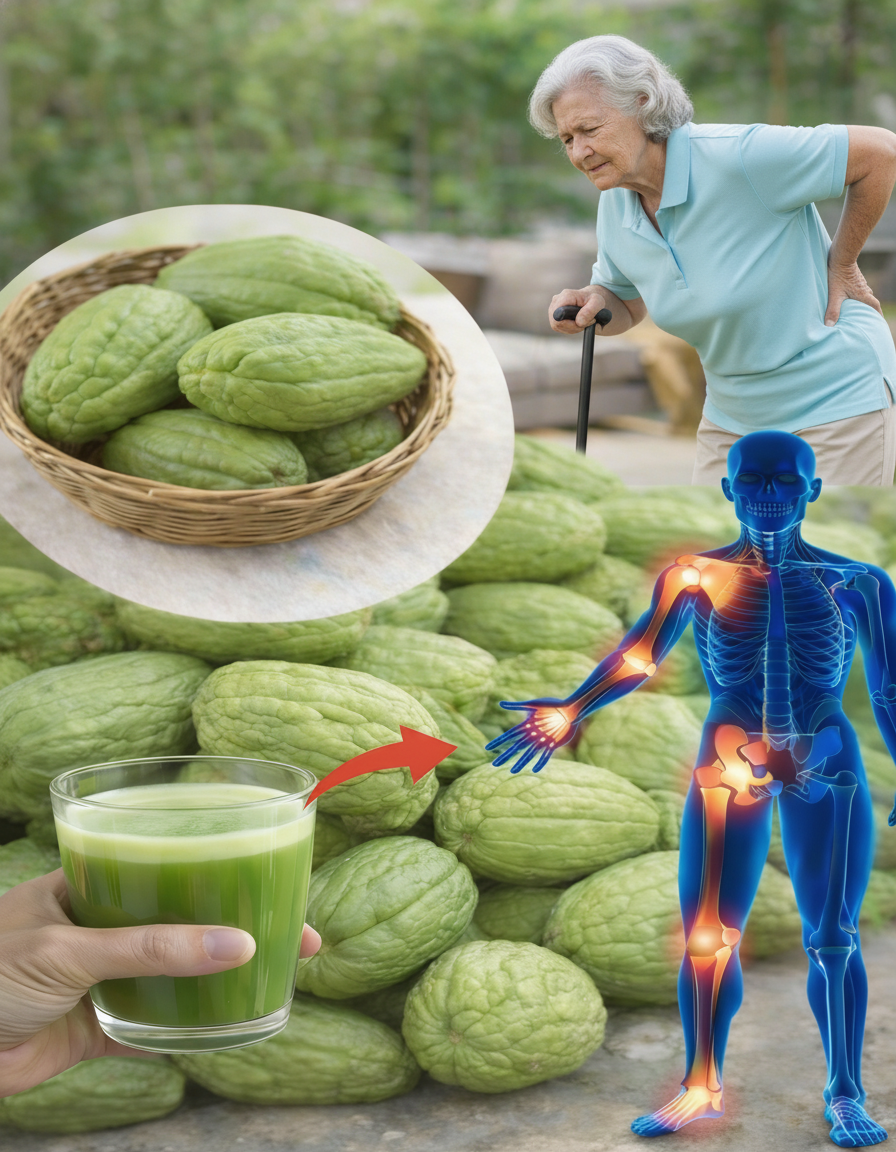
As we age, nurturing cardiovascular wellness becomes increasingly important. Chayote’s generous potassium content is vital for heart health, as it helps counteract the effects of sodium and plays a key role in regulating blood pressure. Research suggests that the diverse phytochemicals found in chayote can improve blood flow and contribute to healthier lipid profiles.
One particular study demonstrated that hydroalcoholic extracts derived from various parts of the chayote plant exhibit antihypertensive effects, attributed to compounds like cinnamic acid. Dietary interventions incorporating chayote have even been observed to reduce both systolic and diastolic blood pressure in individuals with hypertension. Moreover, the flavonoids abundant in chayote offer an additional layer of protection by mitigating oxidative stress on arterial walls. For a simple and delicious way to enjoy chayote, steam it lightly and season with your favorite herbs as a wholesome side dish.
Chayote’s Essential Role in Supporting Digestive Health
Comfortable and efficient digestion is fundamental to overall mood and energy levels. The rich dietary fiber in chayote actively promotes regular bowel movements and acts as a prebiotic, nourishing beneficial gut bacteria. Studies have shown that its prebiotic fiber can help alleviate bloating and foster a balanced gut microbiome. Additionally, chayote’s high water content ensures optimal hydration, further facilitating smooth and comfortable digestion. Here’s a practical tip: for an extra boost of fiber, simply scrub the chayote skin thoroughly and enjoy it along with the flesh. This focus on gut health is indeed interconnected with broader aspects of holistic wellness.
Benefits for Pregnancy and Robust Cell Health
For individuals planning a family or currently pregnant, adequate folate intake is critically important. Chayote serves as an excellent natural source of folate (Vitamin B9), which is indispensable for DNA synthesis and plays a vital role in healthy fetal development. Research emphatically highlights folate’s protective role in preventing neural tube defects in newborns. Furthermore, its low-calorie profile can be beneficial in supporting healthy weight management throughout pregnancy. Beyond pregnancy, the array of nutrients in chayote contributes to the cellular health of everyone, making it a valuable dietary addition for all.
Chayote’s Antioxidant Properties and Anti-Aging Potential
The relentless assault of free radicals can accelerate the aging process within the body. Chayote’s powerful antioxidants, including Vitamin C and quercetin, are adept at neutralizing these harmful molecules, thereby supporting healthy skin and bolstering the immune system. A study focusing on older adults revealed that regular chayote consumption exerts significant antioxidant effects and has been linked to preventing telomere shortening, which in turn may promote long-term cellular health. And here’s the surprising fact we hinted at earlier: consuming chayote raw helps preserve a higher concentration of its beneficial Vitamin C, maximizing its antioxidant power!
How Chayote Aids in Effective Weight Management
Achieving and maintaining a healthy weight often involves feeling satisfied without consuming excessive calories. Chayote excels in this regard. Its unique combination of being low in calories, high in dietary fiber, and rich in water content makes it an ideal food for weight management. The fiber and water contribute significantly to satiety, helping you feel fuller for longer periods, which naturally reduces overall calorie intake. By incorporating chayote into meals, individuals can enjoy a nutrient-dense vegetable that supports their weight loss or maintenance goals without compromising on flavor or essential nutrients.