 By admin
 Many individuals aspire to achieve a dazzling, confident smile without resorting to harsh chemical treatments or costly dental procedures. Social media platforms are often abuzz with discussions about natural remedies promising rapid results, and turmeric—the vibrant golden spice frequently found in your kitchen—is a prominent contender in these conversations. Its striking color and well-established reputation for numerous health benefits make it appear to be a promising, natural solution for enhancing tooth aesthetics.
However, the enthusiasm surrounding turmeric’s potential for teeth whitening can frequently lead to misunderstanding and unrealistic expectations. While this ancient spice is widely celebrated for its contributions to overall wellness, its direct role in achieving a noticeably whiter smile is far less straightforward than viral posts might suggest. In this comprehensive article, we will delve into what scientific research and dental experts truly say about turmeric, distinguishing verifiable facts from popular hype, and providing practical, safe approaches to maintain your smile’s health and appearance. Stay with us until the end for an evidence-based verdict that offers a more realistic perspective than most trending online content.
Why Turmeric Is a Recurring Topic in Oral Care Discussions
Turmeric has been revered for centuries in traditional medicinal practices across various cultures, primarily due to its potent active compound known as curcumin. Extensive research underscores curcumin’s significant potential for antibacterial and anti-inflammatory effects, properties that can indeed play a supportive role in maintaining optimal oral wellness. Studies suggest that curcumin may contribute to inhibiting the proliferation of certain bacteria commonly associated with plaque accumulation. This mechanism could indirectly foster a cleaner oral sensation and contribute to healthier gums over an extended period.
It is common to see individuals blending turmeric with other gentle ingredients such as coconut oil or a hint of honey, hoping to leverage these beneficial properties within their daily oral hygiene routines. Social media imagery frequently showcases vibrant yellow powders alongside seemingly sparkling smiles, thereby creating an impression of dramatic transformational results. Nevertheless, these visual narratives seldom clarify that any perceived improvements often stem from enhanced overall oral hygiene practices rather than a direct whitening action of the spice itself.
What Scientific Evidence Reveals About Turmeric and Teeth Whitening
Scientific reviews, including authoritative statements from leading dental organizations like the American Dental Association (ADA), consistently indicate a scarcity of reliable evidence supporting turmeric’s efficacy in whitening teeth. The majority of claims circulating online originate from anecdotal accounts and personal testimonials rather than from rigorous, large-scale clinical trials specifically designed to assess changes in tooth color.
Furthermore, laboratory-based studies investigating natural products on tooth enamel have generally found that popular remedies, including turmeric, do not yield significant tooth whitening effects. In fact, one notable investigation observed that consistent application of turmeric mixtures occasionally resulted in temporary yellow discoloration on tooth surfaces, rather than imparting any lightening effect. Yet, this is where the narrative becomes more nuanced:
Curcumin demonstrates considerably more promise in other crucial aspects of oral care. Multiple studies have explored its application in reducing gum inflammation (gingivitis) and assisting in plaque control when incorporated into specialized gels or mouthwashes. These specific benefits appear to be comparable to some conventional oral care options in smaller-scale research, though a greater number of high-quality, extensive studies are still required for definitive conclusions. Essentially, turmeric’s mild properties might aid in promoting fresher breath and soothing irritated gums as part of a comprehensive oral care regimen, but it fundamentally does not alter the underlying enamel structure or eliminate deep-seated stains in the manner that professional dental whitening procedures do.
Genuine Oral Health Benefits Turmeric May Offer
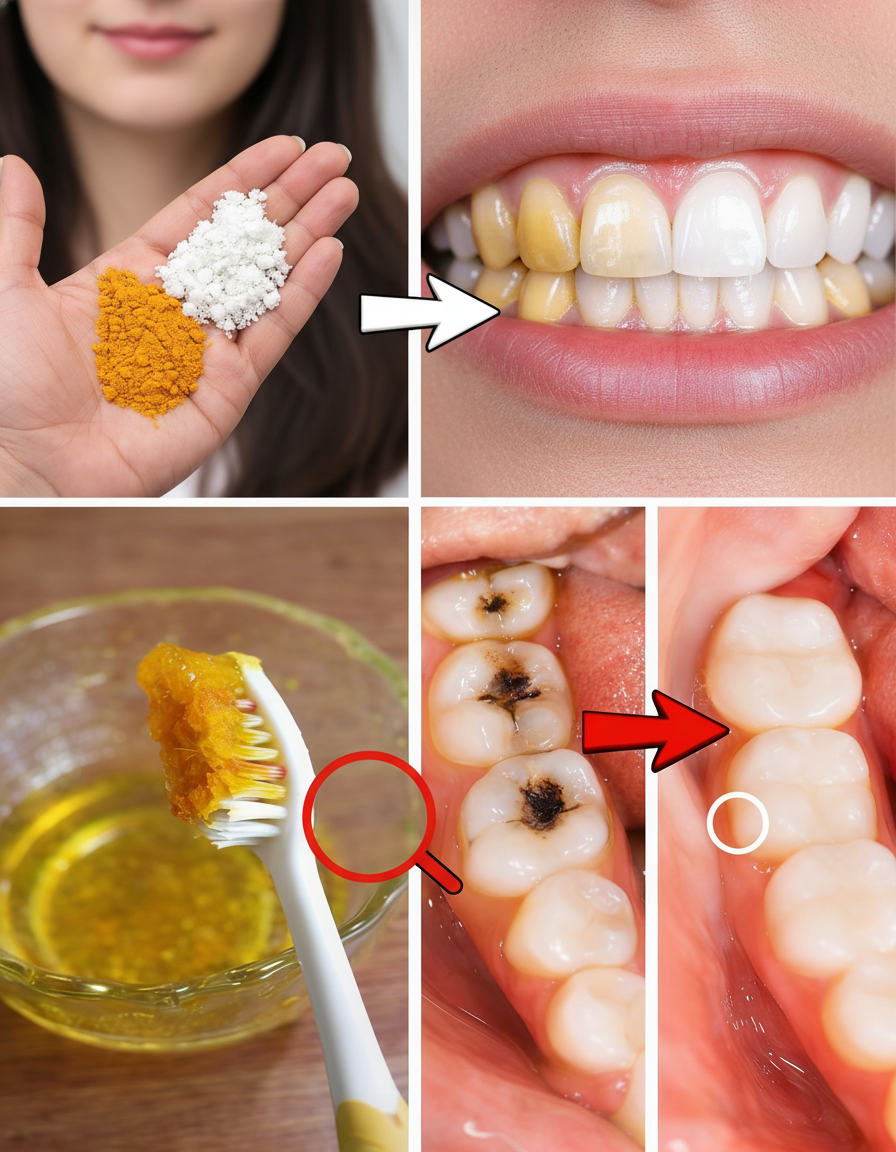
For those inclined towards natural health approaches, turmeric could provide gentle, supplementary support for your oral cavity in the following ways:
- Assisting in Bacterial Activity Reduction: The active compounds in turmeric may help to deter the growth of certain plaque-forming bacteria, thereby fostering a cleaner and healthier oral environment.
- Soothing Mild Gum Irritation: Its well-documented anti-inflammatory properties could help alleviate discomfort associated with mildly swollen or sensitive gums when utilized judiciously.
- Contributing to Overall Oral Freshness: When integrated thoughtfully with established good oral hygiene practices, turmeric might leave your mouth feeling revitalized and clean.
These potential advantages are typically most noticeable with consistent, gentle application as part of a routine, rather than through aggressive or infrequent use.
What Turmeric Cannot Accomplish for Your Smile
To prevent potential disappointment and ensure realistic expectations, it is crucial to understand the limitations of turmeric as an oral care agent:
- It does not rebuild or strengthen tooth enamel.
- It does not fill cavities or address any underlying dental health issues.
- It does not deliver instant, dramatic teeth whitening results akin to professional dental treatments.
- It does not serve as a substitute for essential daily brushing, flossing, or regular dental check-ups.
Relying solely on turmeric for significant improvements in your smile overlooks the fundamental, scientifically proven principles of effective oral hygiene and professional dental care.
Potential Downsides and Why Caution is Prudent
Turmeric powder, depending on its processing, can possess a mildly abrasive texture. Vigorously scrubbing it directly onto teeth—especially when combined with other abrasive ingredients like salt or baking soda—carries the significant risk of gradually eroding tooth enamel over time. It is vital to remember that tooth enamel, once lost, does not regenerate, making its preservation paramount for long-term dental health and sensitivity prevention.
Furthermore, the spice’s intense natural pigment can temporarily stain soft oral tissues such as the gums, tongue, or even dental restorations, leading to an unwanted yellow or orange tint. While this discoloration is usually temporary on natural teeth, it underscores the potent staining capability of turmeric, which is counterproductive to the goal of whitening.