 By admin
 Olive Leaf Extract: Unveiling the Science-Backed Benefits of a Mediterranean Botanical
The global pursuit of natural wellness solutions continues to grow, with countless individuals seeking complementary approaches to enhance their overall health. Amidst a wealth of botanicals, the humble olive leaf, derived from the same tree that yields the cherished olive fruit and oil, has garnered significant attention. For centuries, this integral component of the Mediterranean lifestyle has been valued in traditional practices for its perceived health-supporting attributes. Modern scientific inquiry is now illuminating the potent compounds inherent in olive leaves, particularly a class of polyphenols such as oleuropein and hydroxytyrosol, which are being rigorously studied for their potential to bolster vitality and well-being.
It’s crucial to remember that no single natural remedy can substitute professional medical treatment. However, understanding the scientific evidence behind such botanical treasures empowers us to make more informed lifestyle choices. This article will delve into the intriguing world of olive leaf, exploring what current research reveals about its potential benefits and offering practical considerations for its thoughtful integration into a wellness regimen.
What Makes Olive Leaf a Standout Botanical?
Originating from the Olea europaea tree, the olive leaf shares its lineage with the fruit and oil celebrated as cornerstones of the Mediterranean diet – a dietary pattern consistently linked to reduced risks of various chronic health conditions. What distinguishes the leaves, however, is their remarkably higher concentration of specific polyphenolic compounds, most notably oleuropein. This powerful constituent, alongside others like hydroxytyrosol, is a primary contributor to the leaf’s robust antioxidant capacity.
Antioxidants play a vital role in neutralizing free radicals, unstable molecules that can cause oxidative stress. Oxidative stress is a key factor implicated in cellular damage, accelerated aging, and numerous health challenges. Historically, traditional herbal medicine has utilized olive leaves for their ability to support immune function, promote cardiovascular health, and enhance general vitality.
The Scientific Insights into Olive Leaf’s Bioactive Compounds
Research into olive leaf extract has intensified significantly, with a particular focus on understanding its complex array of bioactive components. Laboratory (in vitro) and animal (in vivo) studies suggest that these polyphenols may exert positive influences on various cellular processes. For example, oleuropein has demonstrated potential in controlled lab environments to modulate cell proliferation and support the body’s natural mechanisms for cell regulation.
Furthermore, studies involving diverse cell models, including those relevant to breast, ovarian, and melanoma lines, indicate that olive leaf extracts can stimulate antioxidant activity and help regulate inflammatory responses. A comprehensive review underscored how olive polyphenols offer protection against free radical damage and exhibit anti-inflammatory effects in both cellular and animal models. While these findings are promising, it’s paramount to acknowledge that they primarily stem from preclinical research. Extensive human clinical trials are still essential to conclusively confirm these broader applications and validate their efficacy in people.
Key Compounds in Olive Leaves and Their Explored Properties:
- Oleuropein: The predominant polyphenol, widely recognized for its potent antioxidant and anti-inflammatory attributes.
- Hydroxytyrosol: A significant breakdown product of oleuropein, studied for its potential to support cellular health and cardiovascular function.
- Other Phenolic Compounds: These contribute synergistically to the overall antioxidant and anti-inflammatory potential of the extract.
These powerful elements align with why populations adhering to the Mediterranean diet often exhibit superior health outcomes, although the consumption of whole foods and olive oil undoubtedly plays a substantial role as well.
Traditional Wisdom Meets Modern Curiosity
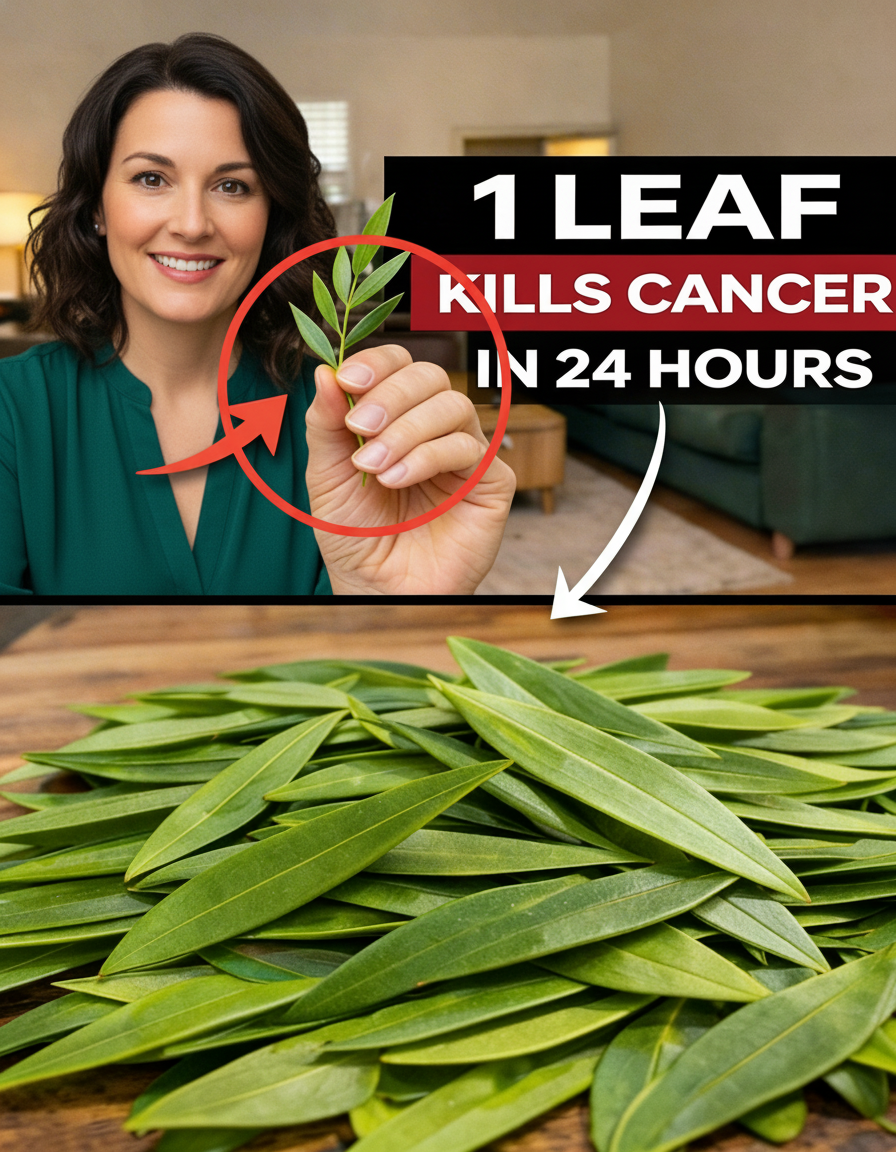
Historically, olive leaves were commonly prepared as teas or incorporated into folk remedies across Mediterranean cultures to support digestive health, aid in blood pressure management, and bolster immune resilience. Today, renewed interest in olive leaf is fueled by a growing global awareness of the importance of natural antioxidants and a holistic approach to wellness. While various wellness advocates and natural health discussions may highlight olive leaf as a panacea, it is crucial to prioritize information grounded in scientific evidence.
Claims of dramatic or miraculous effects often originate from anecdotal reports or oversimplified interpretations of early-stage research. Regulatory bodies consistently advise caution against unproven treatments, emphasizing the importance of thorough scientific validation.
Beyond Specific Illnesses: Broad Supportive Health Benefits
While some early research on olive leaf has explored its implications for serious health challenges, more established scientific literature supports its benefits in several other key areas:
- Cardiovascular Health: Several human studies suggest that olive leaf extract may contribute to maintaining healthy blood pressure levels and support favorable lipid profiles, including cholesterol.
- Immune System Support: The rich polyphenol content can help fortify the body’s natural defense mechanisms, enhancing immune response.
- Anti-inflammatory Action: Bioactive compounds within olive leaf have demonstrated properties that can help modulate inflammatory pathways, crucial for overall well-being.
- Potent Antioxidant Protection: By effectively neutralizing free radicals, olive leaf extract helps safeguard cells from oxidative damage, promoting general cellular health and vitality.
These multifaceted benefits are consistent with broader research highlighting the positive impacts of plant-based diets rich in diverse polyphenols.
Thoughtfully Incorporating Olive Leaf into Your Wellness Routine: Practical Advice
If you are considering integrating olive leaf into your health regimen, a thoughtful and informed approach is essential:
- Consult Your Healthcare Provider: Before starting any new supplement, especially if you have existing health conditions or are taking medication, always discuss it with a doctor or qualified healthcare professional.
- Prioritize Quality Sources: Look for standardized extracts from reputable brands that clearly state the oleuropein content. This ensures you are getting a consistent and effective dose.
- Understand Dosage: Follow the dosage recommendations provided by the manufacturer or your healthcare professional. Starting with a lower dose and gradually increasing it can help assess your body’s response.
- Consider Different Forms: Olive leaf is available in various forms, including capsules, liquid extracts, and teas. Choose the form that best suits your preferences and lifestyle.
- Maintain a Holistic Approach: Remember that olive leaf is a supplement to a healthy lifestyle, not a replacement for a balanced diet, regular exercise, and conventional medical care.
By making informed decisions and seeking professional guidance, you can explore the potential benefits of olive leaf extract safely and effectively as part of your journey towards optimal health.