 By admin
 Navigating the complexities of blood sugar management can often feel like an uphill battle, particularly with the constant fluctuations that impact your daily energy and overall health. Many individuals find themselves searching for effective strategies to maintain stable glucose without exclusive reliance on dietary restrictions or costly supplements, often leading to frustration and inconsistent results. What if there was a simple, research-backed method that could deliver noticeable improvements more rapidly? Join us as we explore this transformative habit and its seamless integration into your daily life.
The Unrivaled Impact of Consistent Physical Activity on Blood Sugar Control
When evaluating methods to promote healthy blood sugar levels, integrating consistent physical activity into your routine emerges as a strategy with potentially superior benefits compared to many conventional approaches. Leading health organizations, such as the American Diabetes Association, emphasize that engaging in movement empowers the body to utilize glucose more effectively, potentially leading to more immediate improvements in blood sugar readings. Yet, its advantages extend further. This beneficial habit doesn’t demand radical lifestyle changes; instead, it thrives on gradual, sustainable adjustments that accumulate over time. Scientific studies consistently demonstrate that even moderate levels of activity can significantly boost insulin sensitivity, enabling your body’s cells to absorb sugar from the bloodstream with greater efficiency. This crucial mechanism occurs because active muscles readily draw glucose for fuel both during and following exercise. Crucially, unlike fleeting solutions, sustained physical activity offers continuous support for your overall metabolic health.
Everyday Movement: A Cornerstone for Stable Glucose Levels
Beyond dedicated workouts, incorporating regular movement throughout your day is fundamental for sustaining balanced blood sugar. Straightforward actions, such as taking a short walk after meals or consciously increasing your standing time, can be instrumental in mitigating glucose spikes that often occur post-consumption. Indeed, extensive research has established a clear link between prolonged sedentary behavior and diminished insulin effectiveness, underscoring the importance of regularly interrupting periods of sitting. Consider your body’s inherent design: it thrives on motion, and integrating gentle activity keeps your energy systems optimally functioning. Insights from Harvard Health Publishing, for instance, highlight that consistently achieving around 10,000 steps daily can significantly contribute to improved glucose management without requiring strenuous effort. Furthermore, combining these routine movements with more intentional exercise sessions can dramatically amplify these positive effects.
The Scientific Basis: How Muscle Activity Optimizes Glucose Metabolism
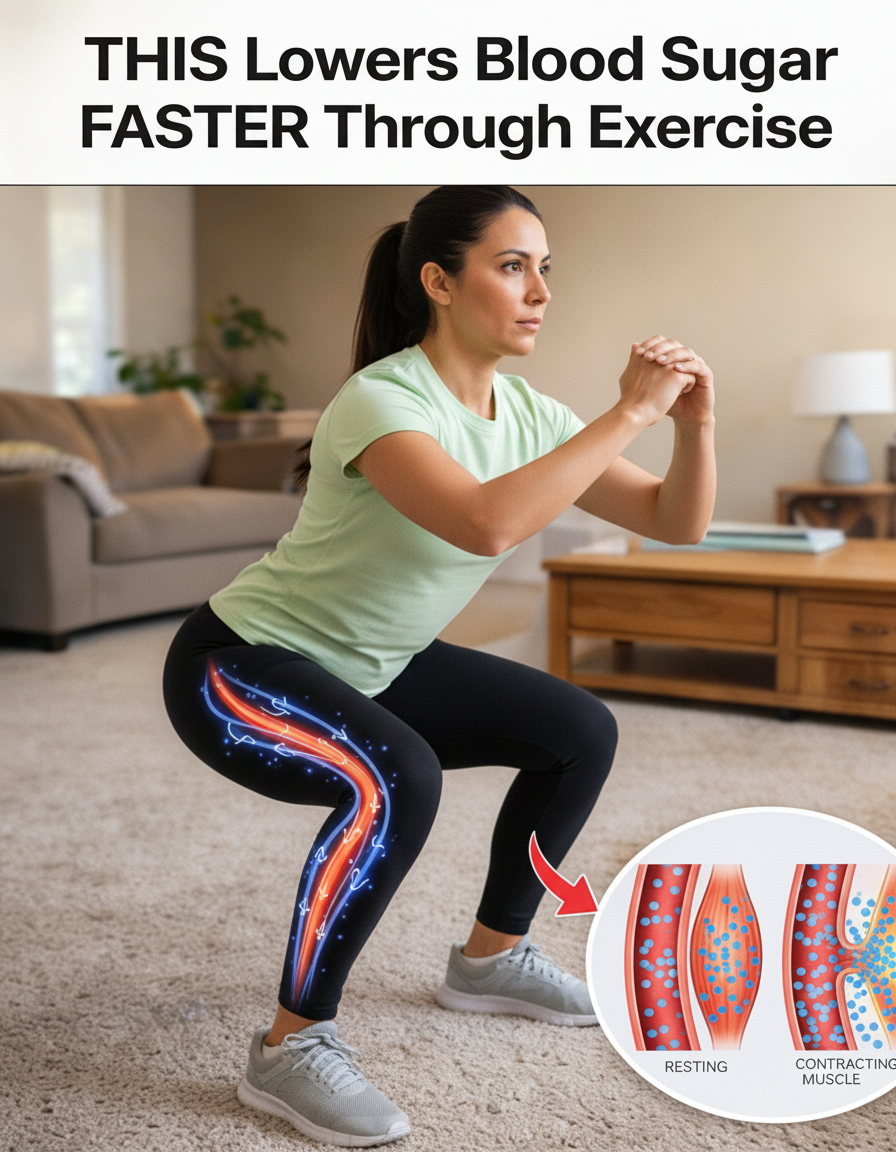
Your muscles serve as formidable partners in the battle for optimal blood sugar management, actively utilizing glucose as their primary fuel source during contraction. As you engage in physical activity, specific proteins, known as myokines, are released from your muscles. These powerful signaling molecules communicate with other tissues throughout your body, prompting a more efficient and robust insulin response. This isn’t merely theoretical; numerous peer-reviewed publications, including the prestigious Journal of Clinical Endocrinology & Metabolism, consistently underscore how exercise-induced physiological changes profoundly support various metabolic functions. What’s more, these advantages ripple out to enhance other vital aspects of your health, such as improving cardiovascular well-being and optimizing lipid profiles. The crucial first step? Commencing with activities that align comfortably with your current fitness level to ensure a sustainable and positive experience.
Real-Time and Sustained Advantages of Integrating Physical Activity
A particularly compelling aspect of adopting this habit is the speed with which tangible improvements can manifest. Certain research studies have documented enhanced blood sugar readings occurring within mere hours of engaging in physical activity. Furthermore, when embraced consistently over time, this practice contributes to improvements in broader health indicators, encompassing favorable shifts in blood pressure and cholesterol levels, as affirmed by the Centers for Disease Control and Prevention (CDC). However, a pivotal detail often overlooked is that these beneficial effects are far from transient; they can endure for as long as 48 hours following a single session of activity. This remarkable, lasting impact positions regular movement as an exceptionally practical and potent tool for achieving long-term wellness. Ultimately, transforming these immediate gains into enduring habits hinges on consistent application.
Five Accessible Home Exercises to Kickstart Your Journey
Eager to embark on this journey towards better health? Here are five straightforward exercises that require neither a gym membership nor specialized equipment, making them perfect for home practice. Concentrate on a moderate intensity level—you should be able to hold a conversation, yet still feel your muscles working.
- Wall Push-Ups: Position yourself an arm’s length from a sturdy wall, placing your hands slightly wider than shoulder-width apart. Lean in by bending your elbows, then push firmly back to the starting position. Aim for 10-15 repetitions to gently build foundational upper body strength.
- Chair Squats: Begin by sitting securely on a stable chair. Engage your leg muscles to slowly stand up, then control your movement as you sit back down. Execute 8-12 repetitions to effectively strengthen your lower body and enhance your balance.
- Resistance Band Rows: Grasp a resistance band (or even a sturdy towel) with both hands. Pull your elbows back, mimicking a rowing motion, and consciously squeeze your shoulder blades together. Target 10 repetitions to engage and fortify your back muscles.
- Band Deadlifts: Stand on the middle of a resistance band, holding an end in each hand. Hinge at your hips, keeping your back straight, as you stand tall, then slowly lower back into the hinge position. Complete 8-10 repetitions to activate your hamstrings and glutes.
- Shoulder Presses: Using light dumbbells, resistance bands, or even household items like water bottles, hold your chosen weight at shoulder height with palms facing forward. Press the weights straight overhead until your arms are fully extended, then slowly lower them back down. Perform 8-12 repetitions to strengthen your shoulder muscles.