 By admin
 Have you ever experienced that peculiar tingling or complete loss of sensation in your hands upon waking from a deep sleep or even a short nap? This phenomenon, often described as “pins and needles” or your hands “falling asleep,” is surprisingly common. While an occasional episode might not be cause for alarm, frequent or persistent hand numbness could signal deeper underlying issues related to nerve health, circulatory function, or even daily habits. This comprehensive guide will delve into the various reasons why your hands might be experiencing this sensation and explore simple, natural remedies that can offer relief.
What Does It Mean When Your Hands Go Numb?
When your hands feel like they’ve “fallen asleep,” it typically indicates a temporary disruption in communication between your hand and brain. This usually occurs because either nerves or blood vessels have been compressed, briefly impeding their normal function. The familiar tingling, burning, or “pins and needles” sensation, medically known as paresthesia, often arises when the pressure is released and normal nerve signals and blood flow are restored. This temporary impairment can stem from a variety of factors, ranging from sustained awkward postures to more complex health conditions.
Common Causes of Hand Numbness
Identifying the root cause is crucial for effectively addressing hand numbness. Here are some of the most frequent reasons why you might be experiencing this uncomfortable sensation:
1. Suboptimal Sleeping Positions
One of the most common culprits for nighttime hand numbness is simply how you position your body during sleep. Resting on your arm for extended periods or maintaining an unnatural wrist position can compress vital nerves and blood vessels, leading to temporary numbness. Common examples include:
- Sleeping with your wrists sharply bent or flexed.
- Lying directly on your arm, cutting off circulation.
- Folding your elbows tightly under your body.
Such postures can disrupt nerve signals and blood flow, resulting in numbness that persists until the pressure is alleviated. To mitigate this, consider adjusting your sleeping habits. Utilizing a supportive pillow can help maintain your wrists and arms in a more neutral, unconstrained position, thereby reducing the likelihood of compression.
2. Carpal Tunnel Syndrome (CTS)
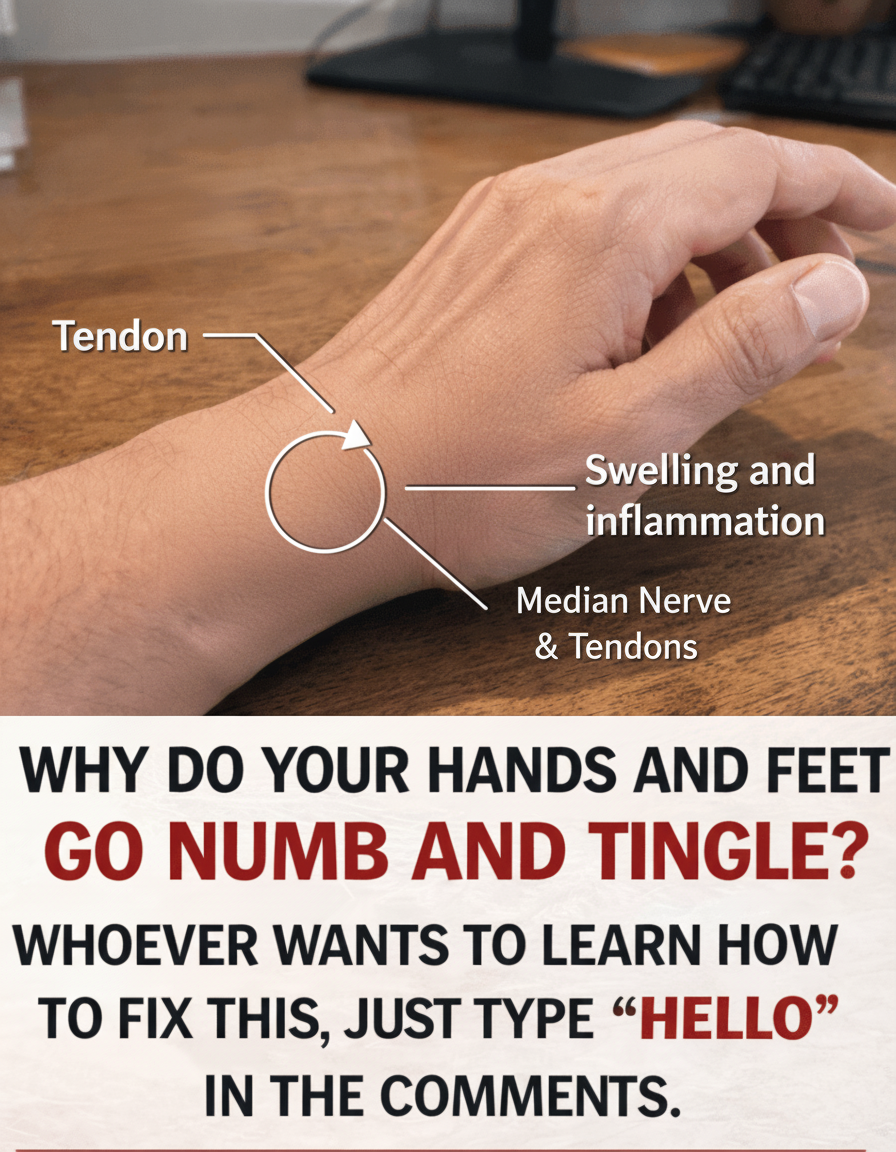
Carpal Tunnel Syndrome stands as a prevalent medical cause of hand numbness. It develops when the median nerve, which runs through a narrow passageway in your wrist called the carpal tunnel, becomes compressed. This compression is often triggered by repetitive hand or wrist movements, inflammation, or swelling within the tunnel. Key symptoms of CTS include:
- Tingling, numbness, or pain primarily in the thumb, index, middle, and half of the ring finger.
- Reduced grip strength and difficulty performing fine motor tasks.
- Worsening of symptoms at night, often waking you from sleep.
- Pain or tingling that may radiate up the forearm towards the shoulder.
Individuals whose occupations involve extensive typing, using vibrating tools, or performing other repetitive wrist motions are at a higher risk of developing CTS.
3. Nerve Compression Originating in the Neck or Arm
Not all instances of hand numbness begin in the hand itself. Sometimes, the problem lies further up the nerve pathway, such as a pinched nerve in the neck or along the arm. These issues can disrupt the nerve signals traveling from the spinal cord down to the hand, causing numbness and tingling. Potential causes include:
- Herniated discs: When a spinal disc bulges or ruptures, it can press on nearby nerves.
- Cervical radiculopathy: Irritation or compression of nerve roots in the cervical spine (neck).
- Ulnar nerve compression (Cubital Tunnel Syndrome): Pressure on the ulnar nerve, often at the elbow, leading to numbness in the ring and pinky fingers.
These conditions directly interfere with the electrical signals sent along the nerves, manifesting as numbness or weakness in the hand.
4. Nutritional Deficiencies
Adequate nutrition is vital for optimal nerve function. Deficiencies in certain vitamins and minerals can impair nerve health, leading to symptoms like tingling and numbness in the extremities, including the hands and feet. Most notably, a lack of Vitamin B12 is frequently associated with nerve damage and paresthesia. Other essential nutrients crucial for maintaining a healthy nervous system include:
- Vitamin B6
- Magnesium
- Omega-3 fatty acids
Insufficient intake of these key nutrients can hinder the normal functioning and maintenance of your nervous system.
5. Chronic Health Conditions
Persistent or recurring hand numbness can sometimes be a symptom of underlying chronic health conditions that affect nerve function or blood circulation. These include:
- Diabetes and peripheral neuropathy: High blood sugar levels can damage nerves over time.
- Autoimmune disorders: Conditions like lupus or rheumatoid arthritis can cause inflammation that affects nerves.
- Multiple sclerosis (MS): A neurological disorder that affects the brain and spinal cord, often causing sensory disturbances.
- Circulatory problems: Conditions that restrict blood flow to the extremities, such as peripheral artery disease.
When these systemic conditions impact your nerves or the blood supply to your hands, they can lead to chronic or continuous numbness.
Natural Remedies That May Help
For individuals experiencing infrequent or mild hand numbness, several natural approaches can help improve circulation, reduce nerve pressure, and promote overall nerve health. Always consult a healthcare professional for persistent or worsening symptoms.
1. Gentle Hand and Wrist Exercises
Regular stretching and strengthening exercises for your hands and wrists can be highly beneficial. These movements help alleviate pressure on nerves, enhance blood flow, and improve overall flexibility and mobility. Consider incorporating these simple exercises into your routine:
- Wrist rotations: Gently rotate your wrists clockwise and counter-clockwise.
- Finger stretches: Extend and flex each finger individually and together.
- Stress ball squeezes: Squeezing a soft ball can strengthen hand muscles and improve circulation.
- Wrist flexor and extensor stretches: Gently pull your fingers back towards your body for a wrist flexor stretch, and then push them forward for an extensor stretch.
These exercises contribute to better blood circulation and keep tendons and ligaments supple.
2. Optimize Your Sleep Position
A simple yet highly effective strategy to prevent nighttime hand numbness is by adjusting your sleeping posture. The goal is to avoid any positions that compress your wrists or arms. To achieve this:
- Strive to sleep with your wrists in a neutral, straight position, avoiding extreme flexion or extension.
- Use a supportive pillow for your neck to ensure proper spinal alignment, which can prevent nerve compression higher up.
- Consciously avoid sleeping on your arms or tucking them tightly under your body.
These minor adjustments can significantly reduce the incidence of hand numbness during sleep.
3. Warm Compress or Hand Massage
Applying warmth and gentle pressure can work wonders for circulation and muscle relaxation. Massaging your hands or using a warm compress can boost blood flow to the affected area and help relax muscles that might be constricting nerves. Try these tips:
- Gently massage your palms, fingers, and the back of your hands using circular motions to stimulate blood flow.
- Apply a warm, moist compress or soak your hands in warm water for 10-15 minutes to soothe muscles and improve circulation.
This combination can help alleviate tension and promote better nerve function.
In conclusion, while waking up with numb hands can be unsettling, understanding its common causes empowers you to seek effective solutions. By addressing lifestyle factors, optimizing sleep, and incorporating simple remedies, many can find relief. However, if hand numbness is persistent, severe, or accompanied by other concerning symptoms, it is always advisable to consult a healthcare professional for an accurate diagnosis and personalized treatment plan.