 By admin
 Amlodipine for Seniors: Uncovering 12 Subtle Side Effects Often Overlooked
A recent conversation with a retired individual brought an important point to light. For years, he diligently took his prescribed blood pressure medication, yet gradually noticed his footwear feeling constrictive and his vitality waning. Initially, he attributed these changes to the natural process of aging. However, as the swelling became undeniable and persistent tiredness began impeding his daily strolls, he realized something more was at play. Such scenarios are more common than many might assume, revealing that subtle medication impacts can often be overlooked. Recognizing these bodily cues can significantly enhance discussions with your healthcare provider. Notably, one specific indicator highlighted later in this article frequently surprises even those who have been on this treatment for a long time. Many individuals over fifty depend on amlodipine to help regulate hypertension and support overall cardiovascular wellness. While studies often classify it as well-tolerated, both clinical research and patient accounts indicate that certain adverse reactions occur more frequently than anticipated. Crucially, identifying these potential signs doesn’t imply discontinuing your medication. Instead, it empowers you to spot changes early, enabling a calm and informed dialogue with your doctor. Let’s delve into some of the most commonly missed reactions reported by patients.
Peripheral Edema: The Ankle and Leg Swelling Seniors Often Encounter
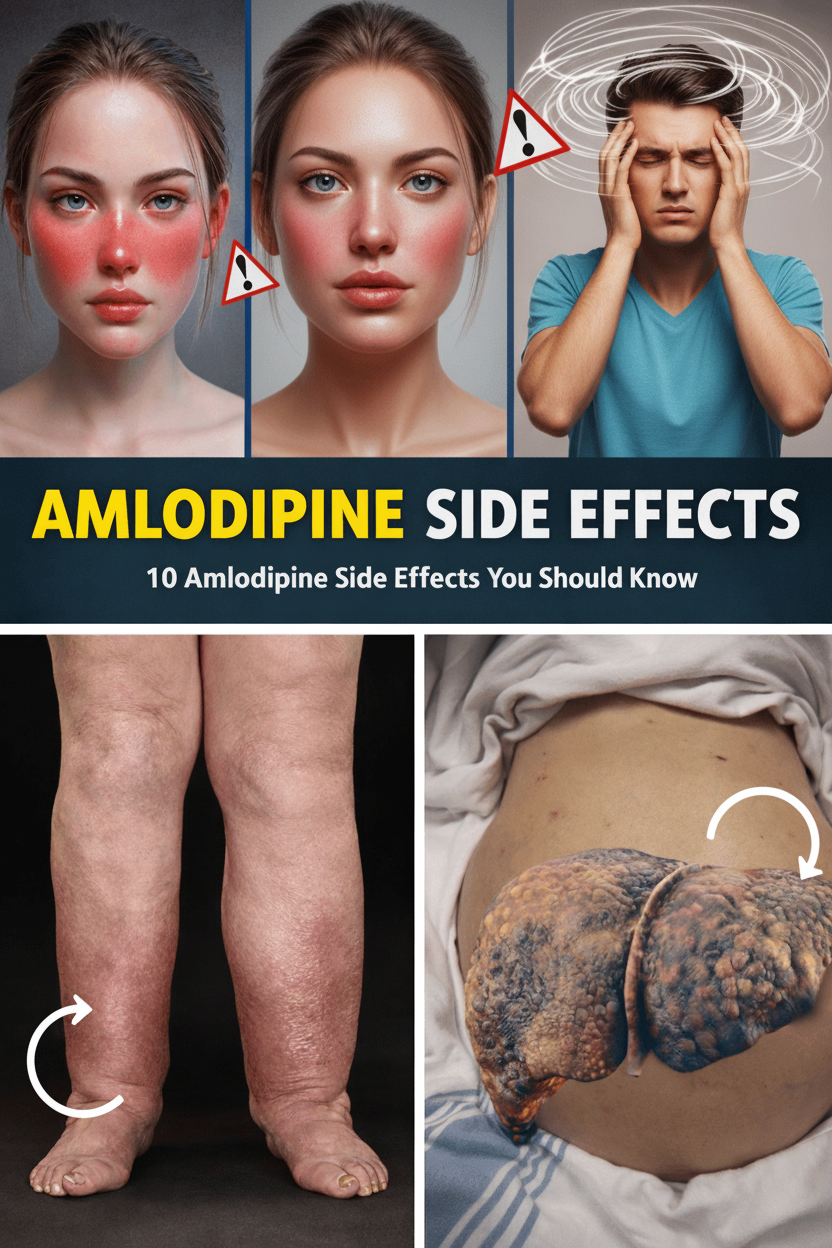
Among the frequently reported adverse effects of amlodipine is swelling in