 By admin
 Unraveling Small White Spots on Arms and Legs: A Comprehensive Guide to Common Skin Pigmentation Changes
Many individuals observe small, pale patches appearing on their arms and legs, a phenomenon often becoming more apparent following extensive sun exposure or as part of the natural aging process. While these subtle, unpigmented marks are generally benign, they can sometimes cause concern, particularly when contrasted against a tanned or darker skin tone, prompting questions about their origin and potential remedies. The reassuring truth is that, in the vast majority of instances, these spots represent a normal dermatological response to environmental elements like ultraviolet (UV) radiation and the passage of time. But what precisely triggers their development, and what proactive measures can be taken to minimize their visibility and promote healthier skin? Continue reading, as we will explore practical, daily routines that can enhance skin vitality and potentially hinder the emergence of new spots.
Understanding Idiopathic Guttate Hypomelanosis (IGH) and White Sun Spots
These characteristic small, flat, and typically round or oval patches, usually measuring between 2 to 5 millimeters, are medically termed idiopathic guttate hypomelanosis (IGH). Informally, they are frequently referred to as “white sun spots” due to their strong association with sun exposure. These depigmented areas predominantly manifest on regions of the body that receive significant sun exposure, such as the forearms, shins, upper thighs, and occasionally the back or shoulders. Dermatological studies reveal that their prevalence significantly increases after the age of 40, affecting over 50% of individuals in this demographic and an even higher percentage among older populations. Extensive research highlights that sustained exposure to ultraviolet (UV) radiation is a primary contributor to their formation. This exposure leads to a progressive decline in the melanocytes—the cells responsible for producing melanin, our skin’s pigment—within these specific skin areas. Crucially, these spots are smooth to the touch, not elevated, and do not cause any associated pain, itching, or irritation. Their lighter appearance is simply a result of the localized reduction in pigment production over time.
Key Factors Contributing to White Spots on Limbs
Although the precise initiating mechanism can vary from person to person, several interconnected factors consistently contribute to the development of these skin alterations. Ultraviolet (UV) Radiation Exposure stands out as the foremost cause. Decades of cumulative UV ray exposure can inflict damage upon melanocytes, the specialized cells vital for producing skin pigment. This damage subsequently leads to a localized decrease in pigmentation. Individuals with lighter skin tones and those who spend considerable time outdoors without adequate sun protection are often among the first to observe these changes. Natural Skin Aging also plays a significant role, as the skin’s inherent capacity to maintain uniform pigmentation diminishes with age. As individuals grow older, melanin synthesis can become less efficient in certain areas, particularly on limbs frequently exposed to the elements. Furthermore, Genetic Predisposition may be a contributing factor. The tendency for these spots to appear more frequently within certain families suggests a hereditary component. While less common, it’s worth noting that other conditions, such as specific fungal infections (e.g., tinea versicolor) or minor eczema-related inflammatory changes, can also cause white spots. However, the characteristic scattered, small white dots typically found on arms and legs are most often indicative of sun-induced changes rather than a contagious or severe underlying medical condition.
Identifying Typical White Sun Spots: A Self-Assessment Guide
To help you determine if the white spots you’re observing are consistent with common white sun spots (IGH), consider the following distinguishing characteristics:
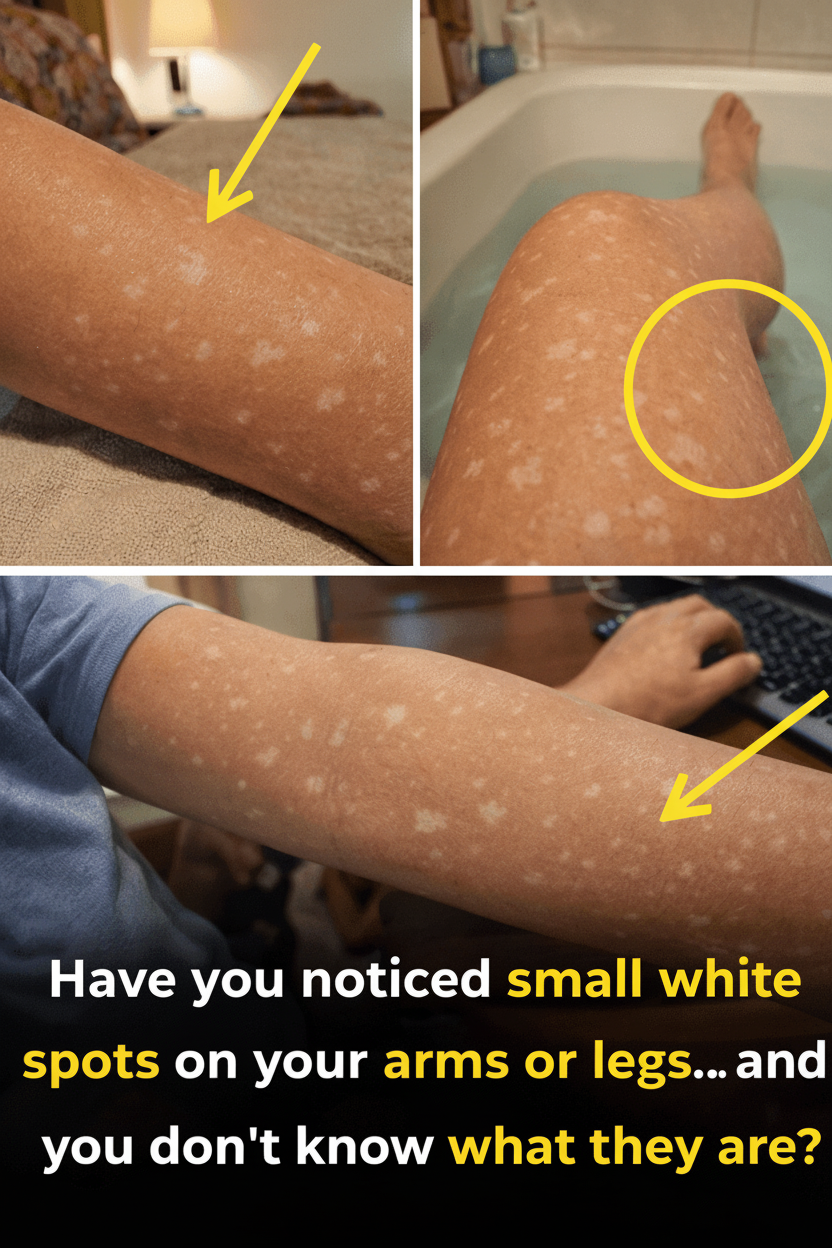
- They typically present as small, well-defined shapes, either round or slightly oval.
- The affected areas are flat and feel smooth when touched, never raised or bumpy.
- The spots appear scattered individually across the skin rather than forming a single, large, confluent patch.
- Their primary location is on sun-exposed body parts, most commonly the arms, legs, and potentially the shoulders or upper back.
- In the majority of cases, there is no accompanying redness, scaling, or itching.
- They tend to become more noticeable during summer months, especially as the surrounding skin acquires a tan.
If your skin lesions align with these descriptions and have developed progressively over an extended period, they are likely consistent with what dermatologists frequently encounter in routine clinical practice. Nonetheless, it is crucial to remember that any changes in skin appearance can occasionally indicate other dermatological concerns. Should you notice spots rapidly spreading, undergoing significant changes in shape or texture, or presenting with bothersome symptoms such as persistent itching or pain, consulting a healthcare professional or dermatologist for an accurate diagnosis is strongly recommended.
Proactive Skincare Strategies for Future Skin Health and Protection
While reversing the appearance of existing white spots may not be entirely possible, adopting a proactive approach to skincare can significantly enhance your skin’s overall health and potentially minimize the formation of new lesions. Consider integrating these practical, actionable recommendations into your daily routine:
- Consistent Sunscreen Application: Apply a broad-spectrum sunscreen with a minimum SPF of 30 every single day, regardless of weather conditions or whether you are indoors near windows. For prolonged outdoor activity, reapply generously every two hours.
- Protective Clothing: Opt for lightweight, long-sleeved shirts and trousers during periods of peak sun intensity (typically between 10 a.m. and 4 p.m.) to create a physical barrier against UV radiation for your arms and legs.
- Strategic Shade Seeking: Prioritize staying in shaded areas whenever feasible, particularly during the harshest midday sun.
- Daily Hydration with Moisturizers: Regular use of hydrating moisturizers helps maintain the skin’s moisture barrier, which can contribute to a smoother texture and potentially make existing spots appear less conspicuous.
- Antioxidant-Rich Skincare: Integrate topical skincare products containing antioxidants, such as Vitamin C or Niacinamide, to bolster skin health and provide additional protection against environmental damage. (Always perform a patch test when introducing new products.)
Adhering consistently to these habits can yield noticeable improvements in skin appearance and resilience over months and years. However, beyond these measures, there’s another crucial aspect often overlooked that contributes significantly to long-term skin comfort and vitality.
Refining Skin Texture: Additional Skincare Adjustments
In addition to rigorous sun protection, incorporating gentle yet effective skincare practices can further support an even skin tone and refined texture. Consider these supplementary adjustments:
- Gentle Exfoliation: Introduce mild exfoliation once or twice weekly using a soft chemical exfoliant, such as lactic acid. This process gently promotes healthy cell turnover, helping to improve skin texture without causing irritation.
- Internal Hydration: Ensure you maintain adequate hydration by drinking plenty of water throughout the day. Internal hydration is fundamental for overall skin health and contributes to its plumpness and elasticity.
- Balanced Diet: A diet rich in fruits, vegetables, and healthy fats provides essential nutrients and antioxidants that support skin repair and protect against oxidative stress.
By integrating these comprehensive strategies, you can foster a healthier, more resilient complexion and better manage the appearance of common skin changes over time.