 By admin
 Helicobacter Pylori: The Silent Stomach Bacterium You Might Be Overlooking
Have you ever experienced that unsettling burning sensation in your stomach after what seemed like a harmless meal, discreetly rubbing your abdomen in hopes no one noticed? Many adults, particularly as they age, might dismiss such feelings as merely part of “getting older” or “slow digestion.” Yet, that persistent uncomfortable pressure, unexplained bloating, or a lingering sense of fullness can gradually erode daily comfort and self-assurance. The reality is, a surprisingly common bacterium residing in the stomach could be silently irritating your digestive lining for years without any obvious red flags. And before you disregard these subtle hints, there’s a crucial aspect about this particular bacterium that many people only become aware of much later in life.
What Exactly is Helicobacter Pylori?
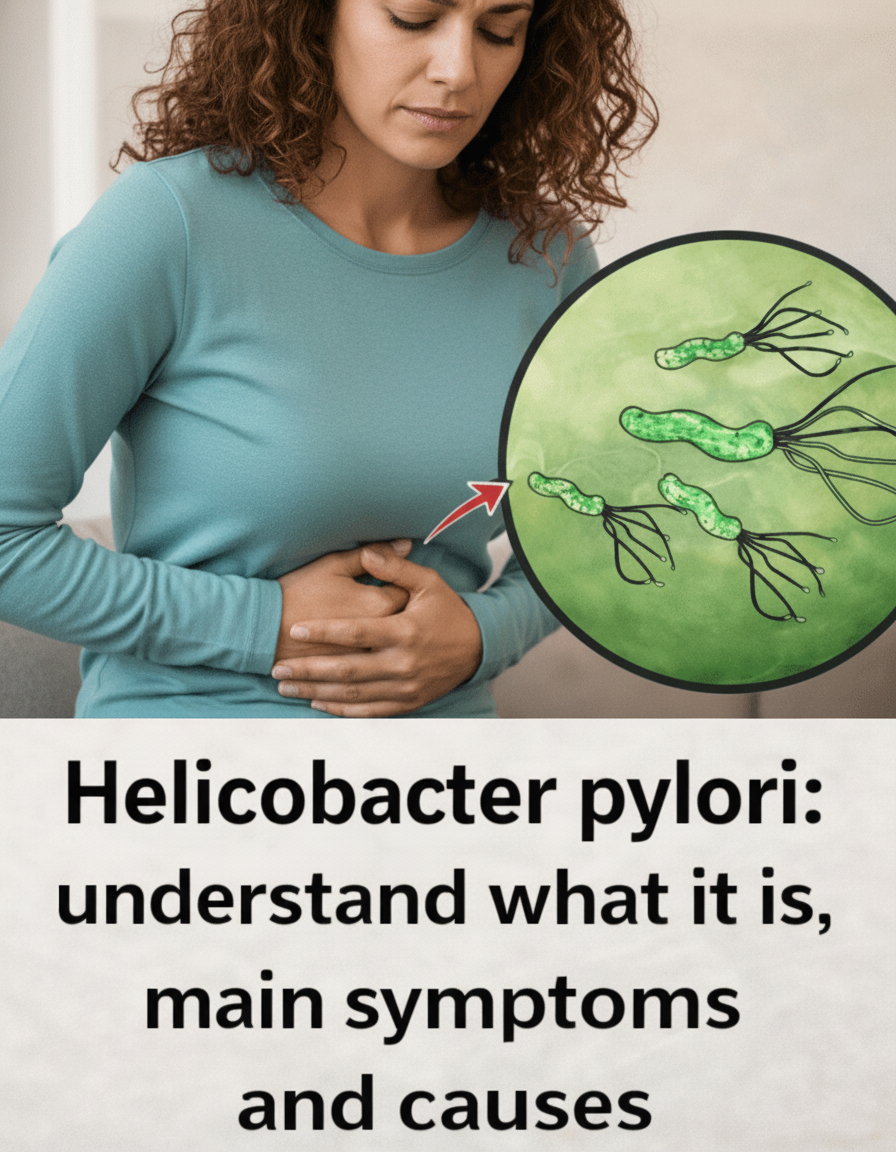
Helicobacter pylori, frequently abbreviated as H. pylori, is a distinctive spiral-shaped bacterium. It possesses the remarkable ability to thrive within the protective mucosal lining of the stomach and the initial segment of the small intestine. Unlike the vast majority of microorganisms, H. pylori is uniquely adapted to survive the intensely acidic environment of the human stomach. This is precisely how it can establish itself for years, often undetected.
The secret to its survival lies in an enzyme it produces called urease. This enzyme effectively neutralizes the acidity in its immediate vicinity, creating a more hospitable microenvironment. This allows H. pylori to firmly embed itself into the stomach lining, where it can remain dormant for decades without causing any noticeable symptoms. However, here’s the intriguing paradox: while a significant portion of the global population carries H. pylori and experiences no ill effects, in certain individuals, this bacterium can provoke irritation of the stomach lining. Over time, this irritation can escalate into digestive discomfort and chronic inflammation.
Extensive research published in reputable gastroenterology journals indicates that more than half of the world’s population may harbor H. pylori. Crucially, not everyone who carries the bacterium will develop symptoms. This implies that countless individuals may be living with this common stomach resident entirely unaware of its presence, leading us to an important discussion.
Common Indicators That Could Signal an H. pylori Connection
For many adults, especially those over the age of sixty, digestive upset is frequently attributed to factors like spicy foods or daily stress. Nevertheless, sometimes the body is sending more nuanced signals. Symptoms associated with irritation of the stomach lining, which could potentially be linked to H. pylori, may include:
- A burning or aching sensation in the upper abdominal region
- Persistent bloating, particularly after meals
- Frequent episodes of burping or belching
- Mild nausea or a general feeling of stomach upset
- Feeling satiated unusually quickly during meals
- A noticeable reduction in appetite
- Unintended or unexplained weight loss
The challenging aspect of these symptoms is their often insidious onset and intermittent nature. They tend to emerge gradually, appearing and disappearing, which frequently leads people to overlook them for extended periods. However, digestive health specialists consistently highlight a critical point: persistent irritation within the stomach is your body’s way of communicating that something is disrupting the integrity of its protective lining. While H. pylori isn’t the sole culprit, it remains one of the most prevalent factors that medical professionals investigate when these types of symptoms persist. This brings forth another vital question.
How is H. pylori Typically Transmitted?
H. pylori primarily spreads through direct contact with contaminated food, water, or saliva. In many instances, the initial infection occurs early in life, subsequently remaining asymptomatic and unnoticed for many decades. Here are several common pathways through which the bacterium can propagate:
- Sharing personal eating utensils or drinking glasses
- Close personal contact, such as kissing, which facilitates saliva transfer
- Insufficient hand hygiene, particularly after using the restroom
- Consuming contaminated water sources or improperly handled food
- Living in densely populated environments with limited access to adequate sanitation
However, this doesn’t tell the complete story. Even in regions with exemplary hygiene standards, infections can still occur. Given that the bacterium can reside silently in the stomach for many years, an individual might not become aware they are a carrier until digestive symptoms manifest much later in adulthood. This underscores why awareness about H. pylori is exceptionally important.
Why Sustained Stomach Irritation Should Never Be Dismissed
Occasional indigestion is a universal experience. Yet, chronic or persistent irritation of the stomach lining can progressively lead to more profound digestive health challenges. Extensive medical research has established a clear link between the long-term presence of H. pylori and several serious stomach-related conditions. These potential health issues may encompass:
- Chronic gastritis: This refers to ongoing inflammation of the stomach lining, which can weaken its protective barrier.
- Peptic ulcers: Painful sores that develop in the stomach or the upper part of the small intestine.
- Significant digestive discomfort: This can severely interfere with normal eating habits and overall quality of life.
- An elevated risk: Of developing certain more serious stomach conditions later in life, although this is not a guaranteed outcome.
Now, for a reassuring note: it’s important to understand that not everyone infected with H. pylori will develop severe health problems. In fact, many individuals coexist with the bacterium throughout their lives and never experience any complications. Nevertheless, gastroenterology experts unequivocally stress that persistent digestive symptoms should never be ignored, particularly for adults over the age of fifty. Early medical evaluation allows healthcare providers to accurately determine whether the stomach lining requires attention and intervention. Beyond medical assessment, there are also simple, everyday habits that can significantly contribute to safeguarding your digestive health.
Everyday Habits That Support a Healthier Stomach
Maintaining optimal digestive health is a cornerstone of overall well-being. While medical intervention is crucial for conditions like H. pylori, incorporating specific daily habits can provide foundational support for a resilient stomach and digestive system. These practices often involve dietary choices, lifestyle adjustments, and mindful approaches to eating that can help mitigate irritation and foster a balanced gut environment. By understanding and implementing these simple strategies, individuals can proactively contribute to a healthier digestive future.