 By admin
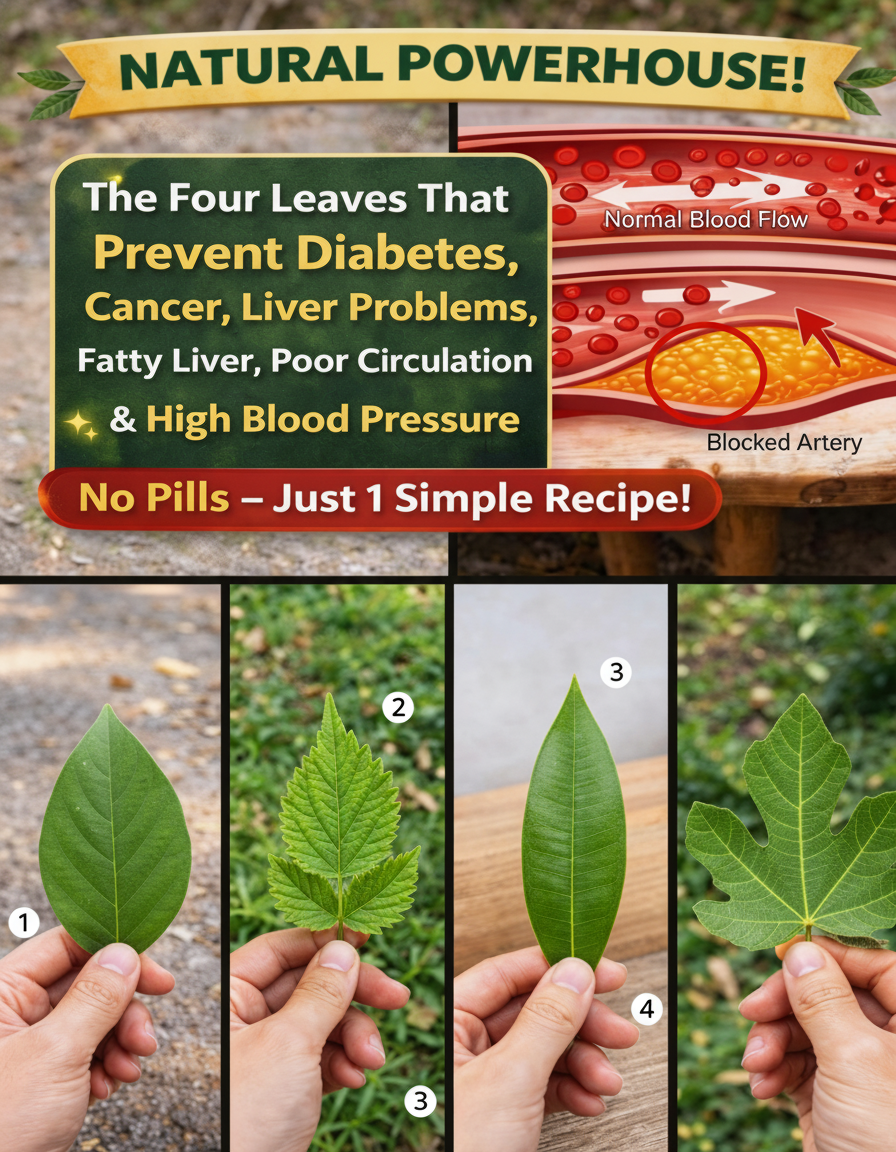
 Avocados are celebrated globally for their rich, creamy texture, healthy monounsaturated fats, and exceptional nutritional profile. However, a lesser-known secret lies within the very tree that bears this popular fruit: its leaves. For centuries, diverse indigenous cultures across Central America, Mexico, and other tropical regions have revered avocado leaves as a potent natural remedy for a spectrum of health concerns. These aromatic foliage from the Persea americana tree are packed with powerful plant compounds, including antioxidants and essential oils, which are believed to support various bodily functions, from digestion and circulation to overall vitality. This comprehensive guide will explore the four most significant traditional healing properties of avocado leaves, delve into their potential mechanisms, and detail the simple methods through which they have been historically utilized.
1. Avocado Leaves May Support Healthy Blood Pressure Levels
One of the most extensively studied traditional applications of avocado leaves pertains to their potential role in maintaining cardiovascular well-being. Avocado leaves are naturally abundant in beneficial compounds such as flavonoids and quercetin. These powerful plant-based antioxidants are thought to contribute to the relaxation of blood vessels and the enhancement of circulatory flow. Preliminary experimental research has indicated that extracts derived from avocado leaves might help reduce elevated blood pressure by influencing specific enzymes linked to hypertension. Consequently, various herbal traditions have historically recommended avocado leaf tea as a natural tonic to promote heart health.
Traditional Preparation
Many herbal practitioners advocate for a straightforward method to prepare an avocado leaf infusion:
- Gather 3–4 fresh or dried avocado leaves.
- Add them to 2 cups of water.
- Optionally, include a slice of lemon, a cinnamon stick, or a teaspoon of honey for enhanced flavor.
Gently simmer the leaves in water for approximately 8–10 minutes. Afterwards, strain the liquid and consume it warm. The resulting herbal infusion offers a mild, slightly distinctive anise-like flavor profile.
2. A Natural Aid for Digestive Comfort and Gut Health
Another long-standing traditional benefit attributed to avocado leaves is their capacity to support digestive function. For countless generations, infusions prepared from avocado leaves have been employed in folk medicine to alleviate a range of gastrointestinal issues, including:
- Stomach discomfort
- Bloating sensations
- Episodes of diarrhea
- Digestive cramps
Scientific investigations into the plant’s composition suggest that avocado leaves contain bioactive phytochemicals and essential oils that may possess anti-inflammatory properties, thereby contributing to improved digestive health. These compounds are believed to help soothe the digestive tract and foster more balanced gut activity. In certain traditional communities, this herbal tea is customarily consumed following substantial meals to facilitate easier digestion.
3. Rich in Antioxidants to Combat Inflammation and Support Immunity
Inflammation is increasingly recognized as a fundamental contributor to numerous chronic health conditions. Avocado leaves are endowed with a diverse array of antioxidant compounds that are capable of neutralizing harmful free radicals within the body. Contemporary scientific studies reveal that extracts from avocado leaves are rich in:
- Polyphenols
- Flavonoids
- Natural phenolic compounds
These potent substances play a crucial role in safeguarding cellular integrity against oxidative stress and are thought to contribute significantly to overall immune system support. Due to this robust antioxidant profile, herbal traditions have historically utilized avocado leaves to assist the body in managing conditions such as:
- Joint discomfort
- Mild inflammatory responses
- Feelings of fatigue and stress
While further extensive research is warranted to fully understand their mechanisms, the impressive antioxidant content of avocado leaves positions them as an intriguing ingredient for natural wellness practices.
4. A Traditional Remedy for Kidney and Urinary System Wellness
Historically, avocado leaves have also been valued for their role in supporting the health of the urinary tract and kidneys. Folk medicine in various regions has traditionally employed these leaves to assist with:
- Alleviating urinary discomfort
- Providing support for kidney stone management
- Promoting healthy fluid balance within the body
Several ethnobotanical accounts describe the use of avocado leaves to encourage urination and help cleanse the urinary system. Although these applications largely stem from time-honored traditional practices rather than extensive modern clinical trials, their popularity persists within herbal communities worldwide.
Additional Traditional Applications of Avocado Leaves
Beyond the four primary health benefits outlined above, avocado leaves have found diverse uses across different cultures and applications.
Culinary Uses
In various cuisines, particularly in Mexico, avocado leaves are often toasted and incorporated into dishes to impart a unique flavor. Their distinctive taste is characterized by a mild anise-like aroma, and they are sometimes used similarly to bay leaves in savory preparations such as soups, stews, or bean dishes.
Skin and Hair Care
Traditional herbal preparations have occasionally utilized avocado leaf infusions for external applications, including:
- As a hair rinse to promote shine and scalp health
- To soothe irritated skin conditions
- To support overall scalp wellness
These external uses are largely attributed to the leaves’ inherent antioxidant and anti-inflammatory compounds, which can offer topical benefits.
Important Safety Note
While avocado leaves boast a long history of traditional uses, it is crucial to acknowledge that they contain a natural compound called persin. This compound can be toxic to certain animals and may lead to adverse effects if consumed in significant quantities. For humans, moderate consumption within the context of traditional herbal preparations is generally considered customary, but excessive intake should be strictly avoided. Individuals with pre-existing health conditions, those who are pregnant or nursing, or anyone currently taking medication should always consult with a qualified healthcare professional before incorporating avocado leaf remedies into their routine. This advice ensures safe and appropriate use.