 By admin
 The Nighttime Fan Habit: Unveiling Potential Health Impacts and Safer Practices
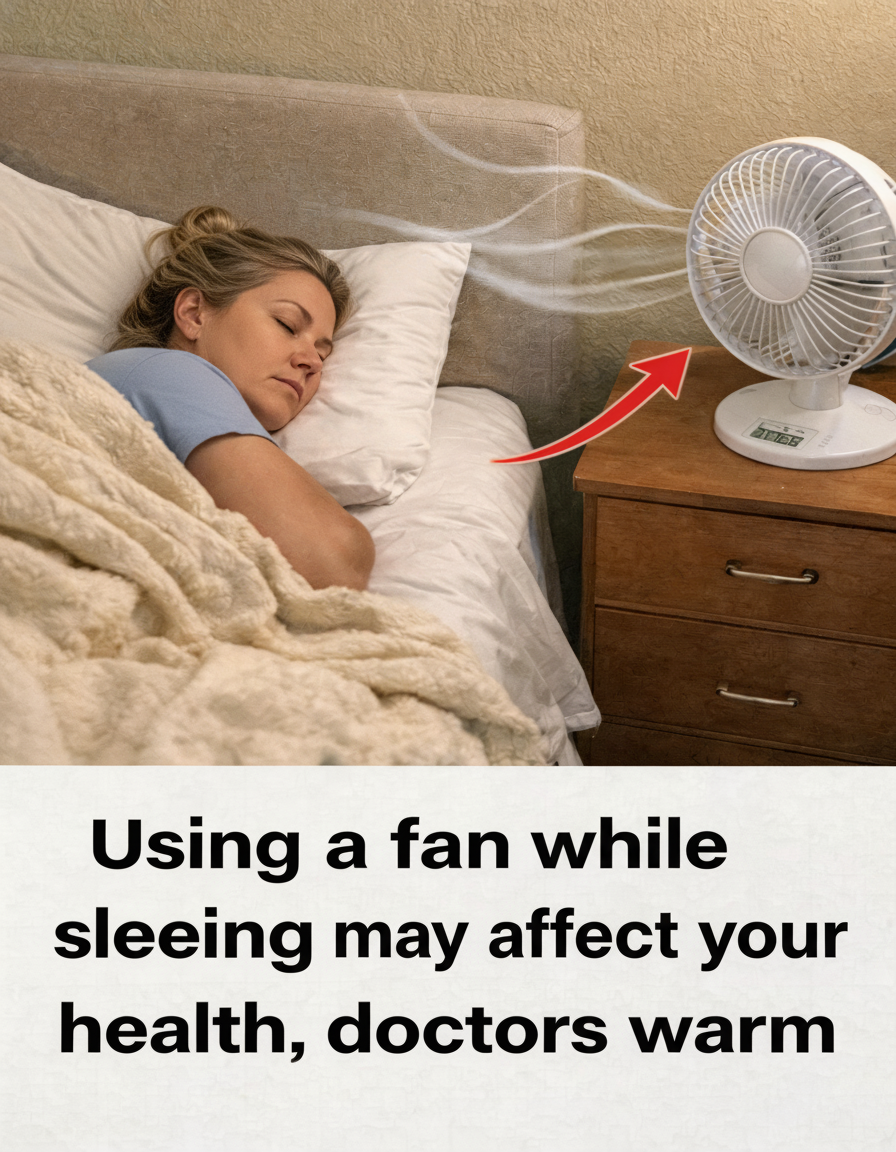
For countless individuals globally, the hum and gentle airflow of a fan are essential components of their nightly routine. Particularly during warmer months, this steady breeze and comforting “white noise” can be instrumental in drifting off to sleep. Yet, medical professionals caution that while widely adopted, this common practice might carry unforeseen health implications if not managed correctly. This comprehensive guide will delve into the precise effects of sleeping with a fan, uncover potential health concerns it could trigger, and offer practical advice to maintain a cool and comfortable sleep environment without compromising your health.
Why So Many People Sleep With a Fan On
The widespread adoption of fans for nighttime use stems from their immediate and tangible advantages. These devices are highly favored for their ability to:
- Effectively lower both body and ambient room temperatures.
- Generate a soothing, consistent background sound that aids many in achieving quicker slumber.
- Enhance air circulation within enclosed or stagnant sleeping spaces.
Improved airflow and ventilation are crucial for optimal sleep comfort, as stagnant conditions or excessive warmth are known deterrents to quality rest. While fans undoubtedly assist in temperature regulation, the continuous stream of air they produce can inadvertently lead to problems that often go unnoticed initially.
5 Potential Health Drawbacks Associated with Nighttime Fan Use
1. Increased Dryness of Skin, Eyes, and Throat
A primary concern associated with prolonged fan use during sleep is the dehydrating effect it can have on the body. The uninterrupted flow of air directed at you throughout the night can gradually strip away moisture from your skin and delicate mucous membranes. Health professionals indicate that this constant air movement can lead to dryness in the mouth, skin, and eyes, frequently resulting in irritation or discomfort upon waking. You might experience symptoms such as:
- Parched eyes
- A raw or scratchy sensation in the throat
- Cracked or chapped lips
- Skin that feels tight, dry, or irritated
Individuals predisposed to conditions like dry eye syndrome or those with naturally sensitive skin may find these effects particularly pronounced.
2. Aggravation of Allergies and Sinus Issues
Beyond simply moving air, fans can inadvertently become conduits for airborne irritants such as dust, pollen, and pet dander, distributing them throughout your sleeping environment. Consequently, your fan might be continuously directing these allergens towards your face as you rest. Research and medical opinions suggest that fans can exacerbate allergy symptoms by actively agitating and dispersing these microscopic particles. Potential symptoms include:
- Frequent sneezing
- A persistent runny nose
- Nasal congestion
- Itchy or watery eyes
- Coughing fits during the night
For individuals managing asthma or severe allergies, this consistent exposure to irritants can significantly disrupt sleep quality and potentially intensify existing respiratory difficulties.
3. Sinus Irritation Leading to Excess Mucus
The dry conditions created by a constant stream of airflow can irritate the delicate lining of the nasal passages. In response to this dryness, the body frequently overcompensates by increasing mucus production to reintroduce moisture. This physiological reaction can manifest as symptoms like headaches, a feeling of a blocked nose, or a sore throat. Consequently, you might wake up experiencing sensations akin to the onset of a common cold, despite the fan not being the direct cause of an infection.
4. Muscle Stiffness and Aches
Directing a powerful stream of cold air towards your body for extended periods while you sleep can have an impact on your musculature. Sustained exposure to cool air on specific areas, particularly over several hours, may cause muscles to tense up or contract involuntarily during the night. This can result in:
- A stiff neck
- Discomfort in the shoulders
- General back tension
Many individuals report experiencing these issues more acutely when the fan is positioned to blow directly onto their upper torso or neck region.
5. Sleep Disturbances for Sensitive Individuals
Although many find the “white noise” generated by a fan to be conducive to sleep, others may perceive it as an unwelcome distraction. Unwanted sounds, subtle vibrations, or even minor rattling from the device can be enough to rouse sensitive sleepers and disrupt crucial deep sleep cycles. Persistently compromised sleep quality can ultimately contribute to:
- Feelings of chronic fatigue
- Challenges with concentration and focus
- Decreased energy levels throughout the day
Is Sleeping With a Fan Inherently Risky?
The reassuring news is that for the majority of individuals, sleeping with a fan operating is largely considered a safe practice. Nevertheless, health professionals emphasize that this routine habit has the potential to intensify specific symptoms or discomforts, particularly when the fan is not utilized judiciously. For instance, those prone to allergies, individuals with asthma, or people with highly sensitive skin might observe more pronounced adverse effects stemming from prolonged, direct airflow.
Strategies for Safer Nighttime Fan Use
If the comforting, cool breeze of a fan is integral to your nightly rest, there’s no need to abandon the habit entirely. Instead, consider adopting these thoughtful practices to mitigate potential drawbacks:
- Avoid Direct Aiming at Your Body: Position the fan so it circulates air throughout the room rather than blowing a continuous stream directly onto your face, chest, or other body parts.
- Ensure Regular Cleaning: Accumulations of dust and other particles on fan blades can be dispersed into the air, potentially exacerbating allergies. Clean your fan frequently to prevent this.
- Utilize a Timer Function: If your fan has a timer, set it to switch off once you’ve drifted off to sleep. This reduces prolonged exposure to continuous airflow throughout the entire night.
- Maintain Room Humidity: Combat the drying effects of constant airflow by using a humidifier. This can help keep the air in your bedroom adequately moist.
- Prioritize Good Bedroom Ventilation: Beyond just the fan, ensure your bedroom has adequate natural ventilation. Opening a window or using an exhaust fan can help maintain fresh air circulation, preventing stuffiness without relying solely on intense, direct airflow from your fan.
The Bottom Line
Sleeping with a fan is a widely adopted practice, cherished by many for the immediate comfort and cooling relief it provides. While it undoubtedly contributes to a more relaxed and temperate sleep environment, it’s crucial to acknowledge that continuous airflow can also inadvertently lead to issues such as increased dryness, exacerbated allergies, sinus irritation, muscle stiffness, and even sleep disruption for certain individuals. By understanding these potential effects and implementing simple, mindful adjustments to how you use your fan, you can continue to enjoy its benefits while safeguarding your overall well-being.