 By admin
 Liver Health Clues from Your Feet: Don’t Overlook These Important Signs
It might come as a surprise, but your feet can offer valuable insights into your overall health, including the condition of your liver. Many people often dismiss unusual symptoms in their feet as minor aches, signs of aging, or simply fatigue from daily activities. However, these seemingly innocuous signs could actually be your liver attempting to communicate a more serious underlying issue. Ignoring these subtle indicators might mean missing early warnings of hepatic distress. Join us as we explore how your feet can serve as an unexpected barometer for liver health, guiding you to recognize crucial signals that warrant attention.
1. Persistent Swelling in Feet and Ankles: A Critical Indicator of Liver Strain
Experiencing swelling in your lower extremities, medically termed edema, isn’t always just a result of a long day on your feet. It can be a significant red flag pointing to potential liver dysfunction. The liver plays a vital role in synthesizing albumin, a protein essential for maintaining proper fluid balance within the body and preventing liquid from seeping into surrounding tissues. When liver function is compromised, albumin production diminishes, leading to fluid accumulation, most noticeably in the feet and ankles.
- What to Watch For:
- Chronic swelling that does not subside with rest or by elevating your feet.
- Accompanying symptoms such as jaundice (a yellowish discoloration of the skin or eyes) or abdominal distension (bloating).
- This symptom can be associated with severe liver conditions like cirrhosis or advanced liver failure.
- What to Do:
- If you observe persistent or unexplained swelling in your feet and ankles, it is imperative to consult a medical professional without delay. This could be a critical sign of liver stress requiring prompt medical evaluation.
2. Jaundice Manifesting in Your Feet: The Yellowish Tint to Watch For
While jaundice is most commonly recognized by the yellowing of the eyes or general skin, this tell-tale sign can also become apparent in your feet. Jaundice develops when the liver struggles to efficiently process and eliminate bilirubin, a yellow pigment produced during the breakdown of red blood cells. When bilirubin accumulates in the bloodstream, it imparts a distinct yellowish hue to various parts of the body, including the skin of your feet and even your toenails.
- What to Watch For:
- Any yellowing of the skin on your feet, your toenails, or your skin in general.
- Other related symptoms may include unusually dark urine, profound fatigue, or persistent nausea.
- These signs could point to serious hepatic conditions like hepatitis, liver cancer, or advanced stages of liver disease.
- What to Do:
- The presence of jaundice necessitates an immediate medical assessment. Should you notice any yellowing in your feet or skin, seek urgent consultation with a healthcare provider.
3. Unexplained Itching on Soles: A Clue to Cholestasis and Liver Issues
If you experience intense itching on the soles of your feet without any visible rash, dryness, or other obvious skin irritation, your liver might be the underlying cause. This symptom is often associated with cholestasis, a condition where the flow of bile from the liver is obstructed. This blockage leads to a buildup of bile salts and other toxins in the body, which can trigger severe, widespread itching, frequently most pronounced on the palms of the hands and soles of the feet.
- What to Watch For:
- Persistent itching on your feet, particularly worsening during nighttime hours.
- Additional symptoms might include pale or clay-colored stools, dark urine, or chronic tiredness.
- This condition is often linked to liver ailments such as hepatitis or obstructions within the bile ducts.
- What to Do:
- If you are experiencing persistent, unexplained itching, it is advisable to undergo testing for potential bile flow problems or imbalances in liver enzymes. Early identification and treatment can help prevent more severe health complications.
4. Unexplained Foot Aches and Tenderness: Beyond Simple Fatigue
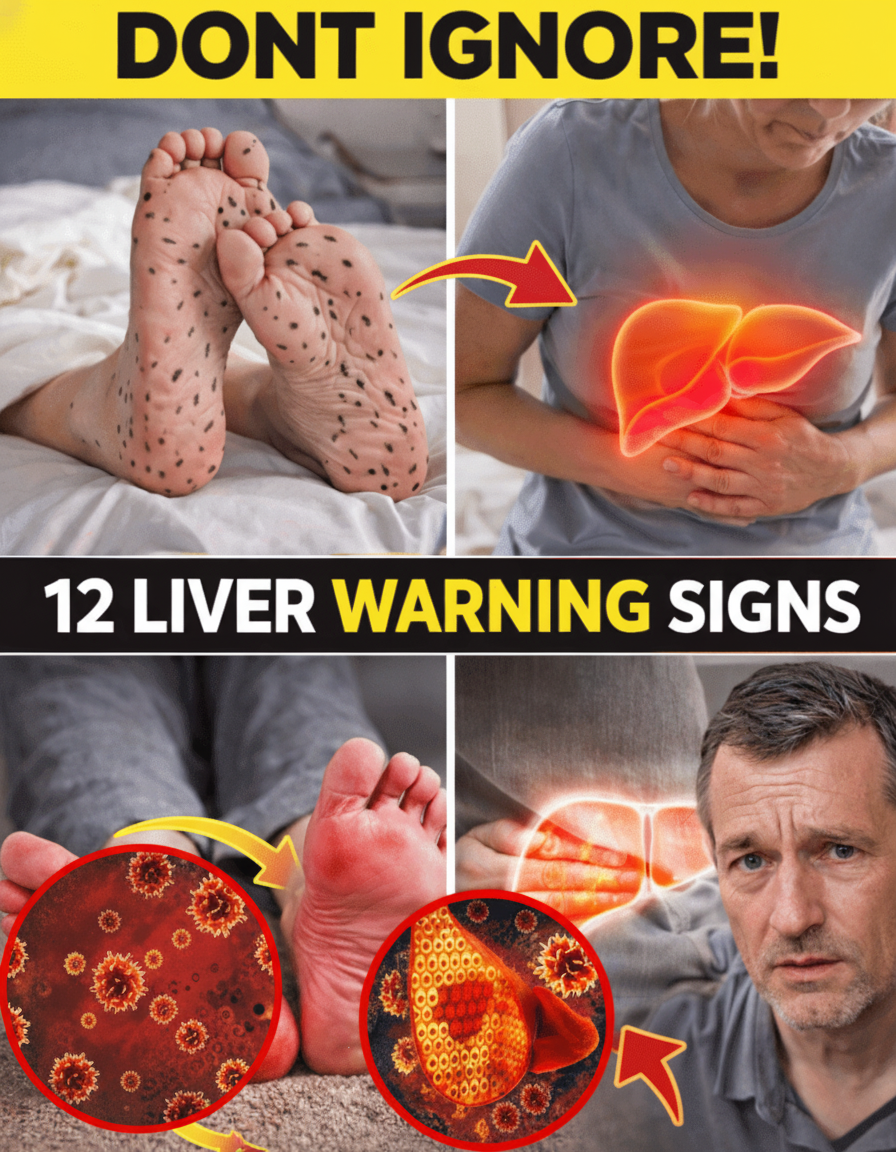
Are your feet aching or feeling tender without a clear explanation, such as new shoes, injury, or excessive physical activity? It might be more than just everyday wear and tear. Inflammation of the liver (hepatitis) or an accumulation of toxins resulting from impaired liver function can manifest as pain in various parts of the body, including the feet, especially when other bodily systems are also affected by the liver’s compromised state.
- What to Watch For:
- Chronic foot pain or tenderness that lacks an identifiable cause.
- Accompanying symptoms like swelling, digestive discomfort, or persistent fatigue.
- This can be an indicator of liver conditions such as non-alcoholic fatty liver disease (NAFLD) or various forms of hepatitis.
- What to Do:
- If the pain in your feet persists despite rest or standard home remedies, it would be prudent to consult a physician to have your liver health evaluated.
5. Toenail Changes: Discoloration and Brittleness as Liver Health Indicators
Your toenails can sometimes act as a window into your internal health, offering clues about conditions like liver disease. If you observe that your toenails are becoming yellowed, pale, unusually brittle, or developing noticeable ridges or thickening, these changes could signal underlying circulatory issues or nutritional deficiencies, both of which can stem from liver dysfunction.
- What to Watch For:
- Toenails that appear yellow, exceptionally pale, or white.
- Alterations in nail texture, such as increased thickening, prominent ridges, or unusual brittleness.
- These changes might suggest compromised detoxification processes or weakened immune function, common in various liver diseases.
- What to Do:
- Pay close attention to any evolving patterns or significant changes in the appearance or texture of your nails. If you notice persistent or concerning alterations, schedule an appointment with a healthcare provider for a thorough liver function test.
6. Chronically Cold Feet: More Than Just Poor Circulation?
Do your feet consistently feel cold, even when the ambient temperature is warm? While commonly attributed to general poor circulation, persistently cold feet can also be a less obvious indicator of liver strain. When the liver is not performing optimally, it can impact overall blood flow and circulation throughout the body. This reduced blood flow can lead to inadequate warmth in the extremities, resulting in perpetually cold feet and other systemic circulatory challenges.
- What to Watch For:
- Feet that remain cold even in comfortable or warm environments.
- Associated symptoms might include dizziness, persistent fatigue, or general weakness.
- These signs could suggest liver dysfunction that is affecting the efficient delivery of oxygen and nutrients throughout your body.
- What to Do:
- If your feet are chronically cold despite normal environmental temperatures, especially if accompanied by unexplained fatigue, it is advisable to seek medical consultation. A doctor can help determine the underlying cause and assess your liver health.
In conclusion, while many foot-related symptoms are benign, it’s crucial to understand that your feet can indeed act as vital messengers for your liver. Recognizing these subtle yet significant signs – from persistent swelling and yellowing to unexplained itching, pain, nail changes, and chronic coldness – can be key to early detection of potential liver issues. Always prioritize your health; if you experience any of these persistent or concerning symptoms, consulting a healthcare professional is the most responsible step to ensure proper diagnosis and timely treatment for your liver health.