 By admin
 Is Your Daily Coffee Dimming Your Smile? Effective Strategies to Combat Teeth Stains
For many of us, the day simply doesn’t begin without a warm, invigorating cup of coffee. Yet, this cherished morning ritual might inadvertently be diminishing the natural brilliance of our teeth, leaving behind noticeable stains. Over time, those consistent sips of coffee can gradually dull your smile, potentially leading to self-consciousness about your dental appearance. But there’s good news: maintaining a radiant smile doesn’t necessarily mean giving up your beloved brew. Continue reading to uncover practical methods that can help restore your teeth’s luminosity and boost your confidence.
Why Does Coffee Stain Your Teeth?
Coffee enjoys immense popularity globally, but it’s also widely recognized as a significant contributor to tooth discoloration. The primary culprits behind coffee’s staining power are natural compounds known as chromogens and tannins. These substances possess a strong affinity for enamel, which is the protective outer layer of your teeth. Each time you consume coffee, these compounds adhere to the enamel surface, leading to the gradual accumulation of visible stains over time.
The Impact of Coffee on Enamel
- Potent Pigments: Coffee contains intensely dark pigments that readily bind to the surface of your tooth enamel.
- Tannin Interaction: These organic compounds heighten the enamel’s susceptibility, making it easier for staining agents to attach and persist.
- Acidic Erosion: The inherent acidity of coffee can subtly weaken tooth enamel, creating microscopic pores that allow pigments to penetrate deeper into the tooth structure.
Other Contributing Factors:
- Innate Enamel Thickness: Individuals with naturally thinner enamel are often more prone to developing noticeable stains.
- Oral Care Practices: Inconsistent or inadequate brushing and flossing routines allow stains and plaque to accumulate more readily.
- Smoking or Tobacco Use: The use of tobacco products significantly exacerbates tooth discoloration, making coffee stains appear more pronounced.
- Age and Genetic Predisposition: Some individuals may have a genetic inclination or age-related changes that make their teeth naturally more susceptible to staining.
How Toothpaste Helps Remove Coffee Stains
Toothpaste, especially formulations designed for whitening, plays a crucial role in tackling superficial stains caused by various foods and beverages, including coffee. Whitening toothpastes are typically engineered with specific ingredients aimed at polishing the tooth surface and breaking down stain buildup. These include:
- Gentle Abrasives: These finely milled particles work to softly scrub away surface stains without harming enamel.
- Specialized Chemical Agents: Certain compounds are included to help dissolve and lift discoloration from the tooth surface.
- Protective Compounds: Some advanced formulas incorporate ingredients that create a barrier, helping to prevent new pigments from adhering to the enamel.
Research indicates that regular use of whitening toothpastes can effectively enhance the brightness of coffee-stained teeth. However, it’s important to note that their primary action is on surface stains rather than deep-seated discoloration. Users typically observe noticeable improvements after two to four weeks of consistent application.
The Coffee and Toothpaste Trick: Does It Really Work?
A recent viral trend has captivated social media, suggesting a do-it-yourself teeth-whitening method that involves combining coffee with toothpaste. The procedure is remarkably straightforward:
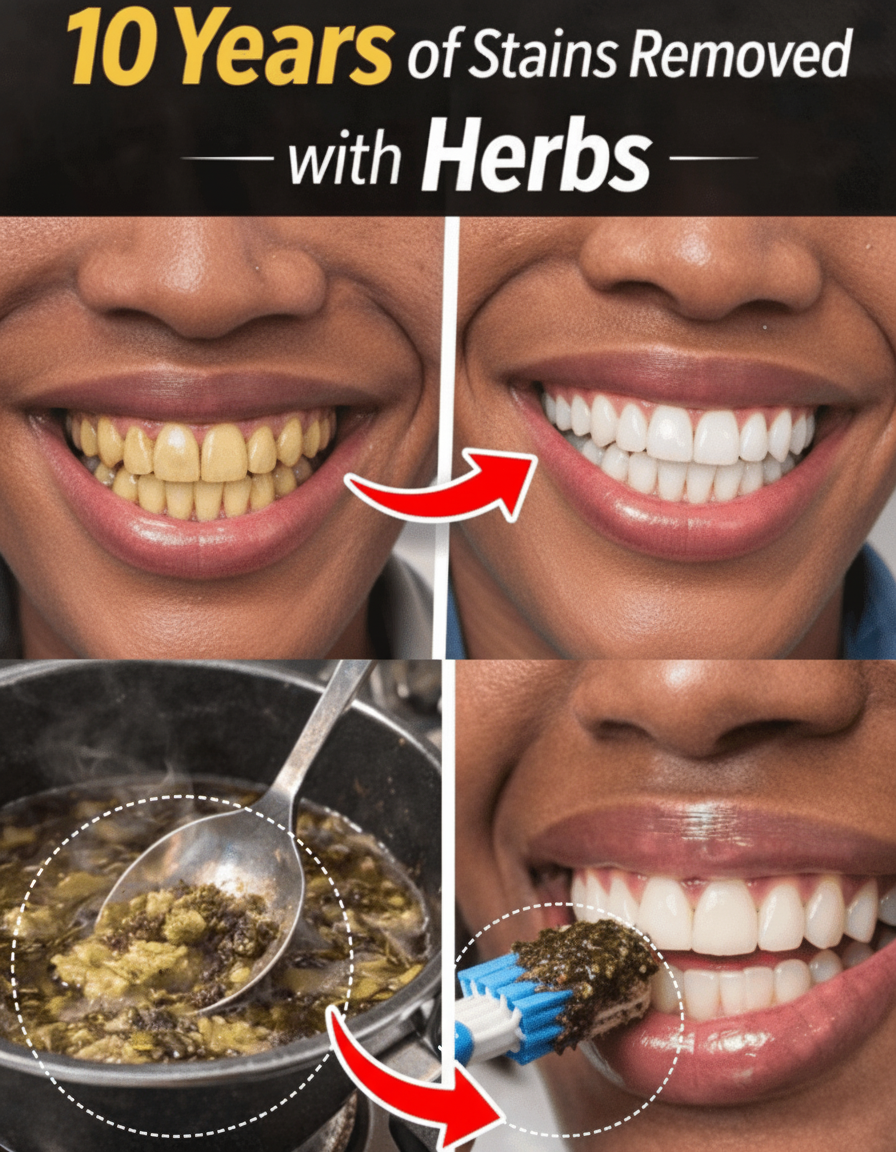
- Dispense a small amount of your preferred toothpaste onto your toothbrush.
- Add a few drops of liquid coffee or sprinkle some fine coffee grounds onto the paste.
- Brush your teeth gently for approximately two minutes.
- Rinse your mouth thoroughly with water afterward.
The premise behind this popular hack posits that the fine particulate texture of coffee grounds acts as a mild abrasive, mechanically polishing away surface stains, while the toothpaste simultaneously aids in lifting discoloration. While this method has gained traction due to its simplicity and accessibility, it’s crucial to understand its inherent limitations and potential risks.
Why Some People Believe It Works
Here are a few reasons why individuals might report minor improvements after trying this method:
- Mild Physical Exfoliation: The microscopic particles found in coffee may indeed provide a gentle scrubbing action, helping to dislodge superficial stains.
- Extended Brushing Duration: The conscious effort to brush for a longer period can inherently contribute to a reduction in existing surface stains.
- Immediate Surface Cleaning: Brushing with this mixture can swiftly remove some daily surface film and debris, leading to an immediate, albeit temporary, perception of brighter teeth.
Important Limitations to Keep in Mind
While the coffee-and-toothpaste trick might offer some immediate, minor cosmetic benefits, it comes with significant drawbacks and limitations:
- Whitening Toothpaste is Essential: True teeth whitening requires active bleaching agents, which coffee does not contain. Any perceived benefit is largely due to the toothpaste itself.
- Minimal and Temporary Results: Most users will only experience very subtle improvements, far from the dramatic changes achieved with professional treatments.
- Risk of Over-Abrasion: Frequent use of abrasive substances, even mild ones like coffee grounds, can gradually erode tooth enamel. This can lead to increased tooth sensitivity and, paradoxically, make teeth appear more yellow as the underlying dentin becomes more exposed.
Tips from Dentists to Prevent Coffee Stains
For devoted coffee drinkers who wish to preserve their bright smile, dental professionals offer several practical habits to effectively prevent staining:
- Brush Before Your Brew: Brushing your teeth prior to drinking coffee can create a smoother surface, making it harder for pigments to adhere and settle.
- Rinse Immediately After: A quick rinse with plain water after finishing your coffee can wash away many of the staining pigments before they have a chance to bond to your enamel.
- Avoid Prolonged Sipping: Try to consume your coffee within a shorter timeframe rather than sipping it over an extended period. This limits the continuous exposure of your teeth to staining agents.
- Regular Use of Whitening Toothpaste: Incorporating a quality whitening toothpaste into your daily oral hygiene routine can help maintain your teeth’s brightness and prevent new stains from setting in.
- Schedule Professional Dental Cleanings: Regular visits to your dentist for professional cleanings are vital for removing stubborn plaque, tartar, and surface stains that at-home brushing might miss.