 By admin
 Imagine starting your day with persistent ankle swelling that makes putting on shoes a struggle, or a deep-seated fatigue that lingers despite adequate rest. Perhaps you’ve noticed an unexplained facial flush, making you feel self-conscious in social settings. For many older adults managing high blood pressure with Amlodipine, these subtle yet disruptive experiences can gradually diminish daily enjoyment, transforming simple pleasures like a walk or time with grandchildren into tiring challenges. Such issues can subtly erode independence and cause concern among loved ones.
Understanding these potential changes is crucial. This comprehensive guide will explore the twelve most frequently reported Amlodipine side effects in seniors, offering insights into early recognition and practical daily strategies to help you navigate your treatment more comfortably and maintain your quality of life. Stay with us to discover how simple adjustments can make a significant difference.
What Makes Amlodipine a Preferred Choice for Blood Pressure in Older Adults?
Amlodipine, a prominent calcium channel blocker, functions by relaxing the blood vessels, which facilitates smoother blood flow and reduces the heart’s workload. Esteemed health organizations such as the Mayo Clinic and Healthline frequently highlight its prescription for hypertension (high blood pressure) and angina in older adults. Its once-daily dosage and consistent action throughout the day make it a convenient and effective treatment option for many.
While generally well-tolerated, specific physiological changes in seniors, particularly in liver and kidney function, can slow down the drug’s metabolism. This slower processing, as noted in FDA pharmacovigilance data, may intensify certain responses, especially with common dosages ranging from 5 to 10 mg. Despite this, clinical trials and countless patient experiences confirm its role in helping millions lead active lives. However, understanding potential common side effects is key to informed discussions with your healthcare provider. Below, we delve into the top 12 most frequently reported side effects, sequenced by incidence based on comprehensive reviews from sources like PMC and WebMD.
#1: Ankle and Foot Swelling (Peripheral Edema) – Affects Up to 15% of Users
This is arguably the most recognized concern among Amlodipine users, particularly prevalent in women and individuals on higher dosages. The Mayo Clinic identifies it as the leading side effect, with incidence rates significantly higher at 10 mg (10.8%) compared to 2.5 mg (1.8%). The underlying cause is that Amlodipine primarily dilates arteries more than veins, leading to increased pressure in smaller blood vessels. This elevated pressure allows fluid to seep into surrounding tissues, resulting in noticeable swelling.
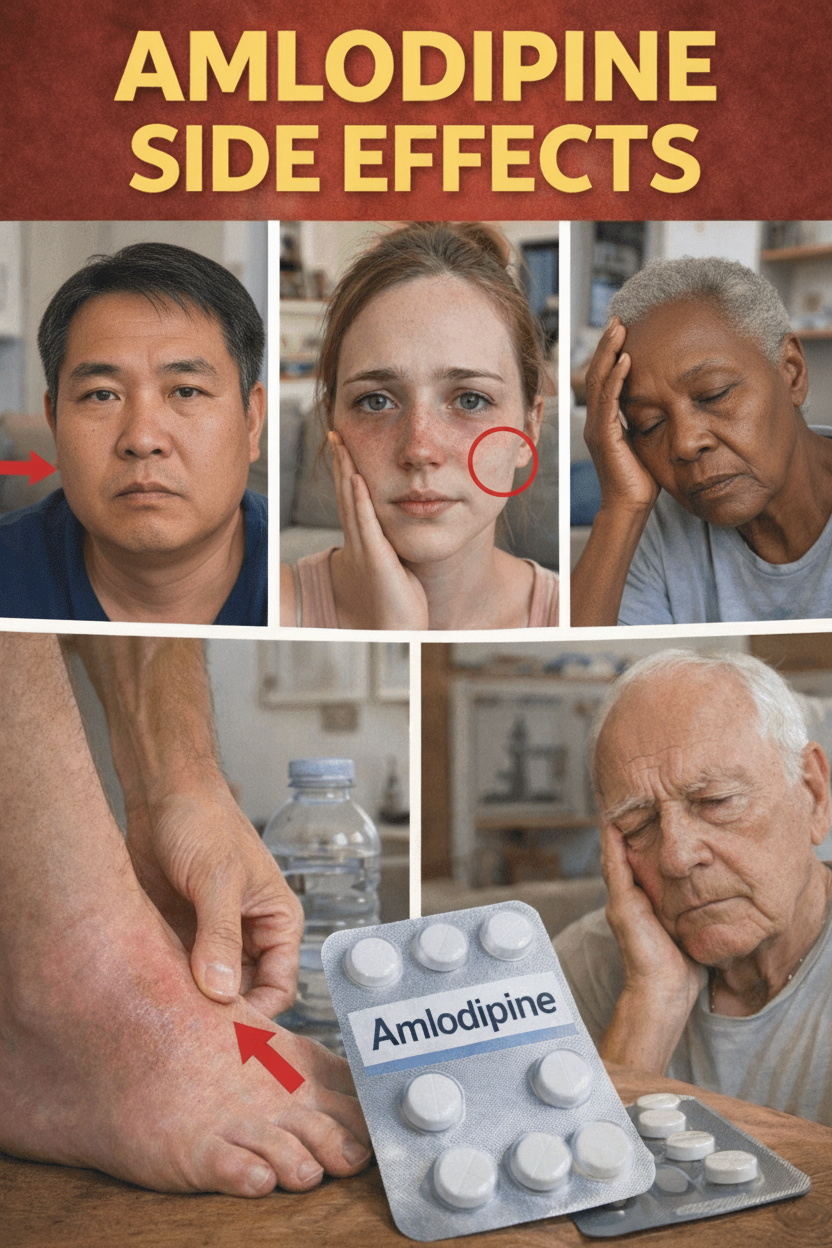
For seniors, this swelling often exacerbates towards the evening, especially after prolonged periods of standing. This can make footwear uncomfortable and, as 68-year-old Mary experienced, even raise concerns about stability and fall risk. While Mary found relief through minor adjustments, it’s essential to understand that this common issue can often be mitigated. Continue reading to discover daily habits that can help alleviate this prevalent symptom.
#2: Persistent Tiredness (Fatigue) – Draining Daily Energy for Up to 4.5%
A significant number of users, up to 4.5%, report experiencing a profound sense of exhaustion or fatigue, according to Pfizer’s prescribing information and GoodRx reviews. This persistent tiredness is believed to be linked to the changes in blood vessel dilation, which can subtly impact the efficiency of oxygen delivery throughout the body. For older adults, who may already be contending with age-related declines in energy, this can be particularly debilitating, potentially leading to reduced engagement in physical activities or cherished hobbies. Research involving elderly populations, such as studies published in Frontiers, often shows this fatigue clustering with overall low energy levels, underscoring its impact on daily life.
#3: Dizziness or Lightheadedness Upon Standing – Affects 3.4%
Episodes of dizziness or lightheadedness, especially when transitioning from sitting or lying to standing, are reported by 3.4% of participants in clinical trials. This sensation is typically associated with transient dips in blood pressure, also known as orthostatic hypotension. The NHS strongly