 By admin
 Amlodipine Got You Feeling Weird? Here Are 12 Side Effects (and How to Fight Back!)
Let’s be real, dealing with high blood pressure or heart issues often means popping pills like amlodipine to keep things in check. But then BAM! You start feeling weird, right? Many folks notice unexpected physical changes after starting treatment, and it can feel totally out of left field.
Like, what’s up with that persistent swelling in your lower legs, making your shoes feel like torture devices and walking a pain? Or those sudden waves of dizziness that nearly send you flying while doing basic stuff? And that warm, flushing sensation across your face? Seriously, these can turn a normal day into a total headache, leaving you wondering if you’re going crazy and if these feelings are even normal.
Trust us, you’re not alone. These sneaky experiences are more common than most realize and can mess with your sleep, zap your energy, and make you doubt yourself, which is super frustrating when all you want is to feel like, well, *you* again.
But here’s the kicker: knowing what’s hitting you is half the battle. Understanding what’s happening empowers you to respond thoughtfully. Stick with us to the very end, and we’ll arm you with some killer, straightforward tips that have helped countless folks navigate this medication like a boss, with greater ease.
What Is Amlodipine and Why Is It Prescribed?
So, what’s the deal with amlodipine anyway? Basically, it’s a calcium channel blocker – a fancy term for a drug your doc often prescribes to kick high blood pressure and that nasty angina (chest pain from your heart not getting enough juice) to the curb. It works by chilling out your blood vessels, letting blood flow smoother, which is good news for your ticker in the long run and supports better cardiovascular health over time.
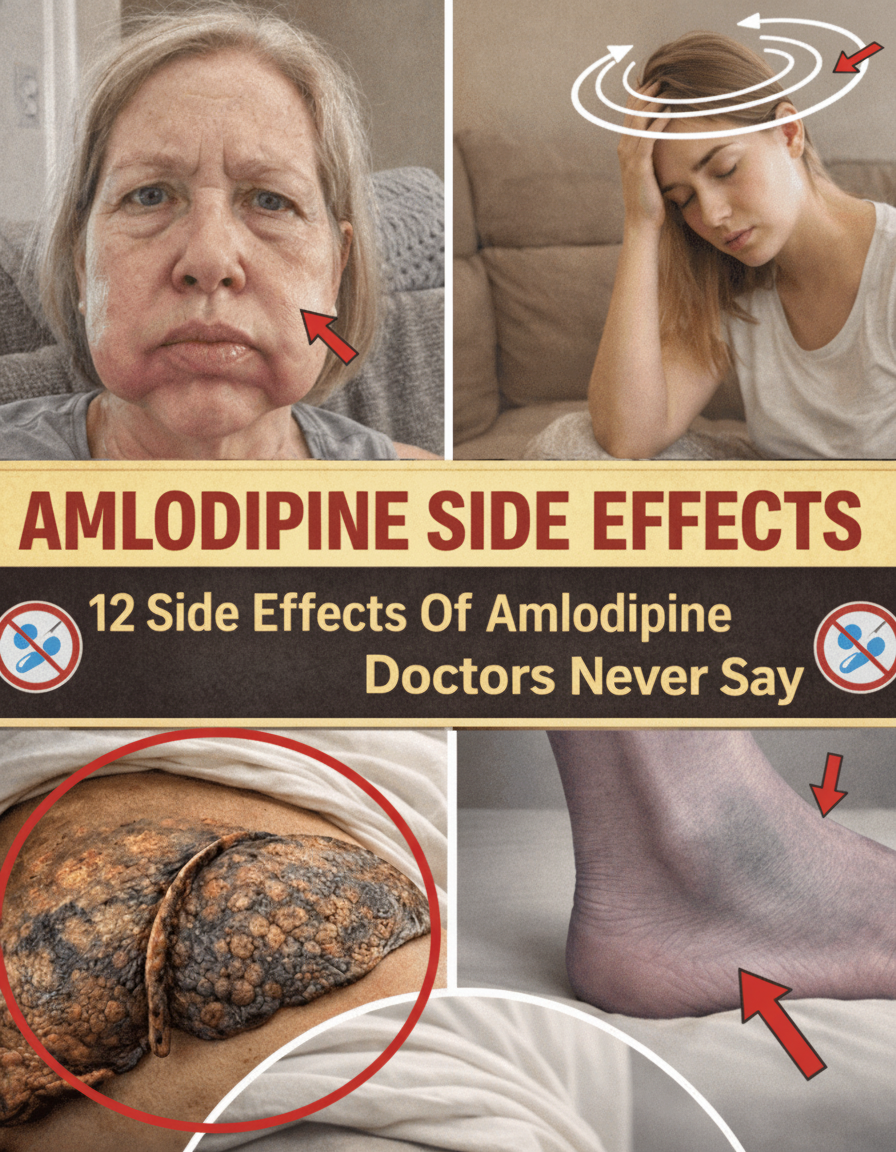
Now, don’t get it twisted – everyone’s body is different. Your reaction to this medication can vary based on how much you take, your age, and other health quirks. Even though big names like Mayo Clinic and WebMD say it’s usually pretty chill, some amlodipine side effects *do* pop up. And trust us, being clued in helps patients stay proactive with their care.
The 12 Side Effects of Amlodipine You Should Know About
But hold up, that’s just the warm-up act. Let’s get down to brass tacks. We’ve compiled twelve amlodipine side effects – the real dirt from clinical studies and folks who’ve actually lived through it. We’ve broken ’em down for clarity so you can easily spot the common culprits and the rarer, more sneaky ones. This isn’t just hearsay; these descriptions are straight from established medical resources. Just remember, your mileage may vary – not everyone will get hit by all of these.
- Swelling of the ankles or feet (peripheral edema) : Alright, let’s talk about the OG of amlodipine side effects: those puffy ankles and feet. It’s super common, happens because fluid decides to set up camp in your lower body. Studies note it affects up to 10 percent or more of users, especially at higher doses, and it often creeps up on you gradually, so keep an eye out.
- Facial flushing or feeling of warmth : Ever feel like your face is on fire, or you just ran a marathon? That sudden redness or heat in your face, neck, or upper chest? Blame those widened blood vessels. It tends to hit soon after you take your dose and, thankfully, often chills out on its own. Still, it’s a tell-tale amlodipine side effect.
- Dizziness or lightheadedness : Whoa, feeling unsteady or like you might faint? This can occur when your blood pressure drops a bit too quickly. This side effect is frequently mentioned in trial data and you’ll probably notice it most when you stand up too quick. Don’t ignore this classic amlodipine side effect; it’s your body talking.
- Headache : Yeah, that nagging head pain? You’re not alone. Some people report mild to moderate headaches, particularly in the first weeks of treatment as their body tries to figure things out. Even the FDA lists this among common reactions, so don’t sweat it too much, but definitely keep track.
- Fatigue or excessive tiredness : Feeling like you’ve been hit by a truck, even after a full night’s sleep? That general sense of low energy or constant drowsiness can make everyday tasks feel like climbing Mount Everest. Good news: clinical reports indicate this often gets better as your body adjusts over time. But initially, this amlodipine side effect can be a real energy vampire.
- Nausea or stomach discomfort : Got a tummy ache, mild pain, or just feeling queasy? This sometimes appears, especially if you take your amlodipine on an empty stomach. This is another frequently reported but usually mild issue, yet annoying nonetheless.
- Palpitations or irregular heartbeat sensations : Is your heart doing a little dance, racing or skipping beats? Feeling your heart race or skip can happen as blood flow changes. Most cases are not serious but deserve attention if they persist. And speaking of paying attention, this is where it gets important to stay informed about less frequent possibilities.
- Gum swelling or gingival hyperplasia : Now for one of the rarer ones: your gums getting puffy or tender. This amlodipine side effect can sneak up on you over months of use. Regular dental check-ups are your secret weapon here, as case reports show they can help catch this early.
- Skin rash or itching : Suddenly sporting a mild rash or can’t stop scratching? Mild rashes or itchy skin can appear in some users. It often goes away on its own without intervention, but it’s smart to keep an eye on it. Don’t dismiss it; even mild skin issues can be an amlodipine side effect.
- Muscle cramps or stiffness : Getting those random aches in your legs or arms? Occasional aches are noted in patient feedback, sometimes linked to changes in circulation. It’s a lesser-known amlodipine side effect, but real for those who experience it.
- Shortness of breath or chest tightness : Listen up, this one’s serious. If you suddenly feel short of breath or your chest tightens up, especially if it’s new or getting worse, don’t wait. This less common reaction requires prompt medical review. No jokes here.
- Facial or lip swelling (angioedema) : In very rare instances, we’re talking about swelling around your face or mouth. This is a BIG DEAL. Medical literature highlights this as something to report immediately. This isn’t just another amlodipine side effect; it’s a potential emergency. These eff
So, there you have it – the real talk on amlodipine side effects. Don’t let them catch you off guard. Stay informed, stay proactive, and always keep your doctor in the loop. For more no-nonsense health insights and ways to tackle life’s challenges, swing by dogpjs.com and check out our other articles. Your health, your rules!