 By admin
 With the passage of time, many individuals observe alterations in their skin’s texture and tone, such as the emergence of fine lines and a yearning for a complexion that appears smoother and more luminous. These visible indicators are frequently influenced by daily environmental stressors, including sun exposure, psychological stress, and the natural reduction of collagen. While the market is flooded with products promising rapid results, an increasing number of consumers are exploring straightforward, home-based remedies for gentle, consistent skin support. Bay leaves (Laurus nobilis), a well-known culinary herb, are garnering attention not only for their historical applications in wellness but also due to evolving scientific insights into their natural constituents. Could this unassuming spice, readily available in your pantry, hold the key to enhancing skin vitality? Research underscores the impressive array of antioxidants and other beneficial compounds present in bay leaves, suggesting their potential contribution to overall dermatological well-being. Join us as we delve into practical methods for integrating bay leaves into your routine and uncover why they’re becoming a focal point in natural beauty conversations.
Why Are Bay Leaves Gaining Traction in Skincare?
The allure of bay leaves (Laurus nobilis) in skincare stems from their rich composition of natural bioactive compounds. These include essential oils, prominently featuring 1,8-cineole, alongside a spectrum of polyphenols, flavonoids, and other potent antioxidants. Scientific investigations indicate that these components are instrumental in neutralizing oxidative stress, a primary contributor to the visible signs of skin aging and environmental damage. Furthermore, laboratory research highlights the anti-inflammatory capabilities of bay leaves, which could potentially calm irritated skin and bolster its protective barrier. Historically, bay leaves have been employed in traditional remedies for alleviating skin irritations and promoting overall dermal comfort. Contemporary interest now centers on their promising role in topical formulations and infused preparations.
Unpacking the Science: Bay Leaves and Dermal Health
Numerous scientific investigations underscore the robust antioxidant capacity of bay leaves. For example, laboratory assessments have revealed that ethanol extracts from bay leaves exhibit a potent capability to suppress lipid peroxidation, a process largely attributed to their rich phenolic compound content. This antioxidant prowess is crucial for safeguarding skin cells against the detrimental impact of environmental aggressors. Furthermore, studies examining Laurus nobilis hydrosols—the aqueous byproduct derived from essential oil distillation—indicate significant concentrations of oxygenated monoterpenes. These compounds are believed to contribute to both antioxidant activity and subtle wound-healing properties observed in cellular models. A comprehensive review highlights the promising application of bay leaves in cosmeceutical products, owing to these very attributes. Moreover, certain animal studies involving bay leaf extracts in combination with other substances have demonstrated positive outcomes in stabilizing biochemical indicators associated with UV radiation-induced skin damage, such as the preservation of specific enzyme levels. Although human clinical trials are currently scarce, these preliminary results propose that bay leaves could serve as a valuable adjunct in holistic skincare regimens.
Delving deeper, let’s compare the primary active constituents found in bay leaves:
- 1,8-Cineole (often the predominant component in the essential oil): Esteemed for its calming and antimicrobial attributes.
- Polyphenols and Flavonoids: Provide crucial antioxidant protection, neutralizing harmful free radicals.
- Eugenol and Related Compounds: Implicated in delivering beneficial anti-inflammatory actions.
These potent botanical constituents resonate with broader scientific understanding regarding the efficacy of plant-derived antioxidants in promoting skin resilience and protection.
Bay Leaves: From Ancient Remedies to Modern Skincare
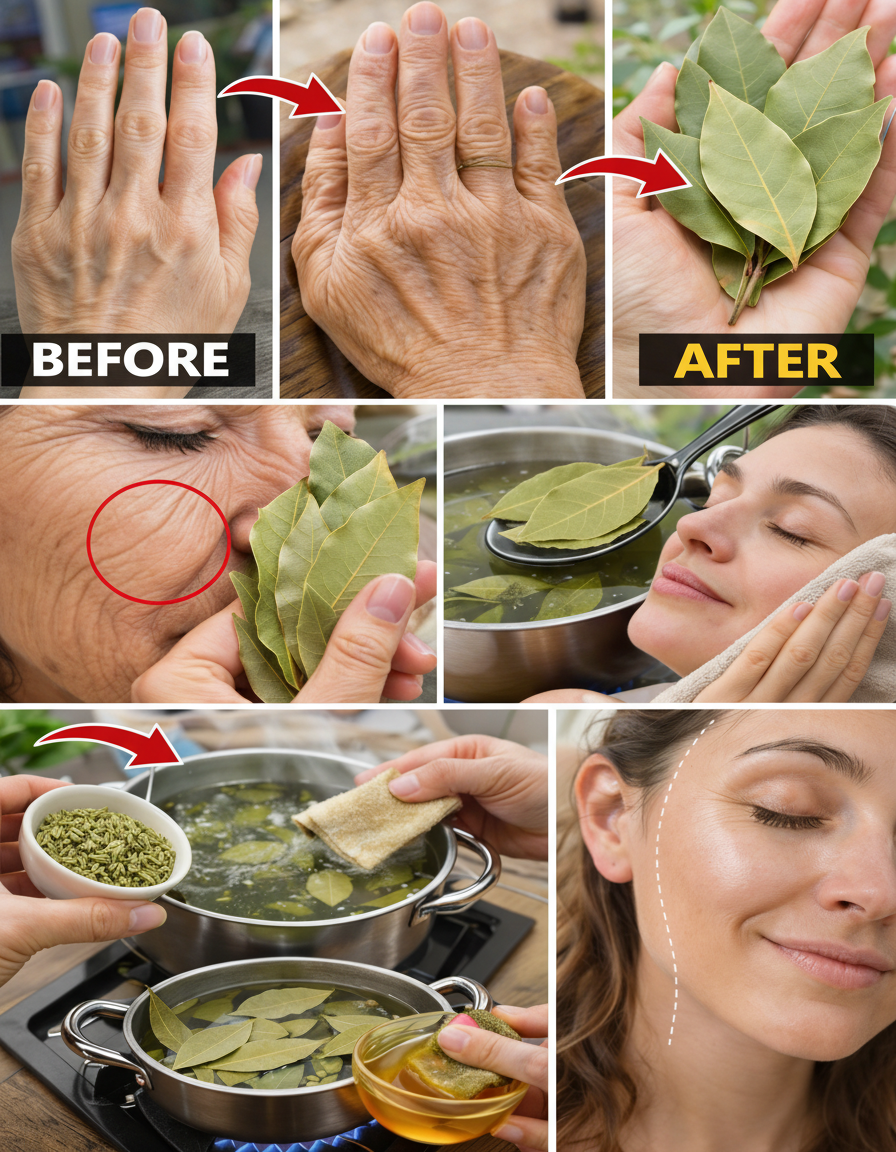
For centuries, bay leaves have held a revered place in traditional folk medicine, particularly for their soothing effects on the skin. In contemporary wellness circles, proponents are now exploring various applications, such as gentle infusions—akin to a mild bay leaf tea—or compresses, integrating them seamlessly into daily skincare rituals. A particularly intriguing aspect is the inclusion of bay leaf preparations in natural toners and facial steams, valued for both their distinctive aroma and their potential to calm and comfort the complexion. It is imperative to always perform a patch test before widespread application, as the concentrated essential oils within bay leaves can provoke sensitivity in certain individuals.
Incorporating Bay Leaves into Your Home Skincare Routine
Eager to explore the benefits firsthand? Here’s a straightforward guide to preparing a basic bay leaf infusion, perfect for integrating into your personal skincare regimen:
- Prepare Your Ingredients: You’ll need 5–7 dried bay leaves and 2 cups of purified water.
- Gentle Simmering: Place the bay leaves into the water, bring to a gentle boil, and then reduce heat to simmer for 10–15 minutes. Allow the mixture to cool completely.
- Strain and Preserve: Carefully remove the spent leaves, then transfer the liquid into a clean, airtight bottle. Store it in the refrigerator for optimal freshness, ideally for up to one week.
- Application as a Soothing Compress: Saturate a clean, soft cloth in the chilled infusion. Gently place it over freshly cleansed skin for 10–15 minutes. Afterward, you may either lightly rinse your face or simply pat it dry.
- Versatile Use: Rinse or Facial Steam: Incorporate the infusion into your facial steam for a deeply aromatic and relaxing experience, or use it as a final, refreshing rinse following your regular cleansing routine.
To enhance its properties, consider blending your bay leaf infusion with other mild, skin-friendly botanicals such as chamomile for an added calming effect. Remember, consistency is key; many users report observing subtle yet positive changes with diligent, regular application over several weeks.
Another beloved method is the bay leaf facial steam. Bring water to a boil with a handful of leaves, then, positioning your face safely over the pot (using a towel to create a tent), inhale the gentle, aromatic vapors for 5–10 minutes. This practice can assist in opening pores and offers a luxurious, spa-like sensation right in your home.
Safety Considerations and Expert Tips
While bay leaves are generally recognized as safe for culinary use, it’s crucial to approach topical applications with prudence, especially given their concentrated essential oil components. As mentioned previously, always conduct a patch test on a small, inconspicuous area of your skin (like behind the ear or on the inner forearm) at least 24 hours before applying any bay leaf preparation more broadly. Discontinue use immediately if you experience any redness, itching, or irritation. Pregnant or nursing individuals, and those with pre-existing skin conditions or allergies, should consult a healthcare professional before incorporating bay leaf remedies into their routine. Remember that natural remedies are complementary and should not replace professional medical advice for persistent skin issues. By following these guidelines, you can safely explore the potential benefits of bay leaves for your skin.