 By admin
 Bay Leaves for Skin: Unlocking Nature’s Secret to a Radiant Complexion
As we navigate the complexities of modern life, many of us observe noticeable shifts in our skin’s texture and overall appearance. These changes, often manifesting as dullness, uneven tone, or a loss of youthful vibrancy, can sometimes chip away at our daily confidence. Factors such as prolonged sun exposure, daily stress, and environmental pollutants frequently contribute to a complexion that looks tired and less luminous over time. It can be disheartening when conventional skincare routines don’t seem to adequately address these evolving concerns, prompting a search for more holistic, natural alternatives to maintain a healthy, glowing complexion. But what if the answer lay not in a high-end serum, but in a humble herb found in almost every kitchen? Stay with us, because by the end of this article, we’ll unveil a surprisingly effective way to integrate this common spice into your beauty regimen that you might never have considered.
What Are Bay Leaves and Their Historical Significance?
Bay leaves, scientifically known as Laurus nobilis, are the aromatic foliage of the laurel tree, a plant deeply rooted in history and culinary traditions worldwide. For centuries, these distinctive leaves have been a culinary cornerstone, imparting a subtle yet profound depth of flavor to an array of dishes, from hearty soups and savory stews to delicate sauces. However, their utility extends far beyond the kitchen. Ancient civilizations, including the illustrious Greeks and Romans, revered bay leaves not only for their gastronomic qualities but also for their profound role in traditional wellness practices and symbolic rituals. Historically, bay leaves were often associated with protection, wisdom, and vitality, featuring prominently in remedies believed to support overall well-being and even crown victors.
Today, there’s a resurgence of interest in bay leaves, particularly for their potential applications in natural care routines. Modern scientific inquiry is beginning to delve deeper into their intricate biochemical composition. Studies indicate that bay leaves are rich in beneficial compounds, including a spectrum of essential oils and powerful antioxidants. A comprehensive review published in the Journal of Medicinal Food highlights how these diverse elements may collectively contribute to general health support, making bay leaves an intriguing subject for those exploring botanical remedies and natural health solutions.
The Science Behind Bay Leaves’ Potential Benefits for Skin Health
The remarkable properties of bay leaves for skin care are largely attributed to their rich concentration of volatile oils, notably eugenol and cineole. These compounds have been extensively researched for their potential therapeutic attributes. According to findings published in the International Journal of Molecular Sciences, the antioxidants abundant in herbs like bay leaves are crucial in combating oxidative stress. Oxidative stress is a primary culprit in accelerated skin aging, occurring when unstable free radicals inflict damage upon skin cells, ultimately affecting the skin’s youthful appearance and structural integrity. The polyphenols found in bay leaves may offer significant support in neutralizing these free radicals, as noted in a study in Phytotherapy Research for their role in promoting cellular health and resilience.
It is important to acknowledge that while these scientific insights are highly promising and often derived from laboratory-based investigations, they provide a foundational understanding rather than definitive proof for all topical applications. The true intrigue lies in understanding how these complex compounds interact with the skin at a cellular level. Furthermore, bay leaves are a natural source of essential vitamins, including Vitamins A and C, both indispensable for optimal skin maintenance. Vitamin C, in particular, is a well-documented powerhouse for skin, playing a critical role in supporting natural collagen production, a vital protein that maintains skin firmness and elasticity, as confirmed by research in the journal Nutrients.
How Bay Leaves May Support Skin Health Naturally
Integrating bay leaves into your daily routine could offer a gentle, natural pathway to supporting your skin’s health. The essential oils present in bay leaves are frequently utilized in aromatherapy, where their calming properties can indirectly benefit the skin by promoting relaxation and reducing stress, which often manifests on the complexion. For direct topical application, many enthusiasts prepare bay leaf infusions, steeping the leaves in water to create a mild, nutrient-rich rinse or toner. This simple method allows the skin to absorb some of the beneficial compounds.
Moreover, the experience can be further enhanced by combining bay leaves with other complementary herbs, creating a synergistic blend. Historical context also lends credence to their use; research from the Journal of Ethnopharmacology underscores the traditional use of bay leaves in Mediterranean cultures for their skin-soothing qualities, adding a rich layer of cultural wisdom to their appeal. However, it is crucial to remember that individual results can vary significantly, and performing a patch test on a small area of skin before widespread application is always a prudent step when introducing any new ingredient to your skincare regimen. Let’s explore some practical applications.
Step-by-Step Guide to Making a Bay Leaf Infusion for Skin
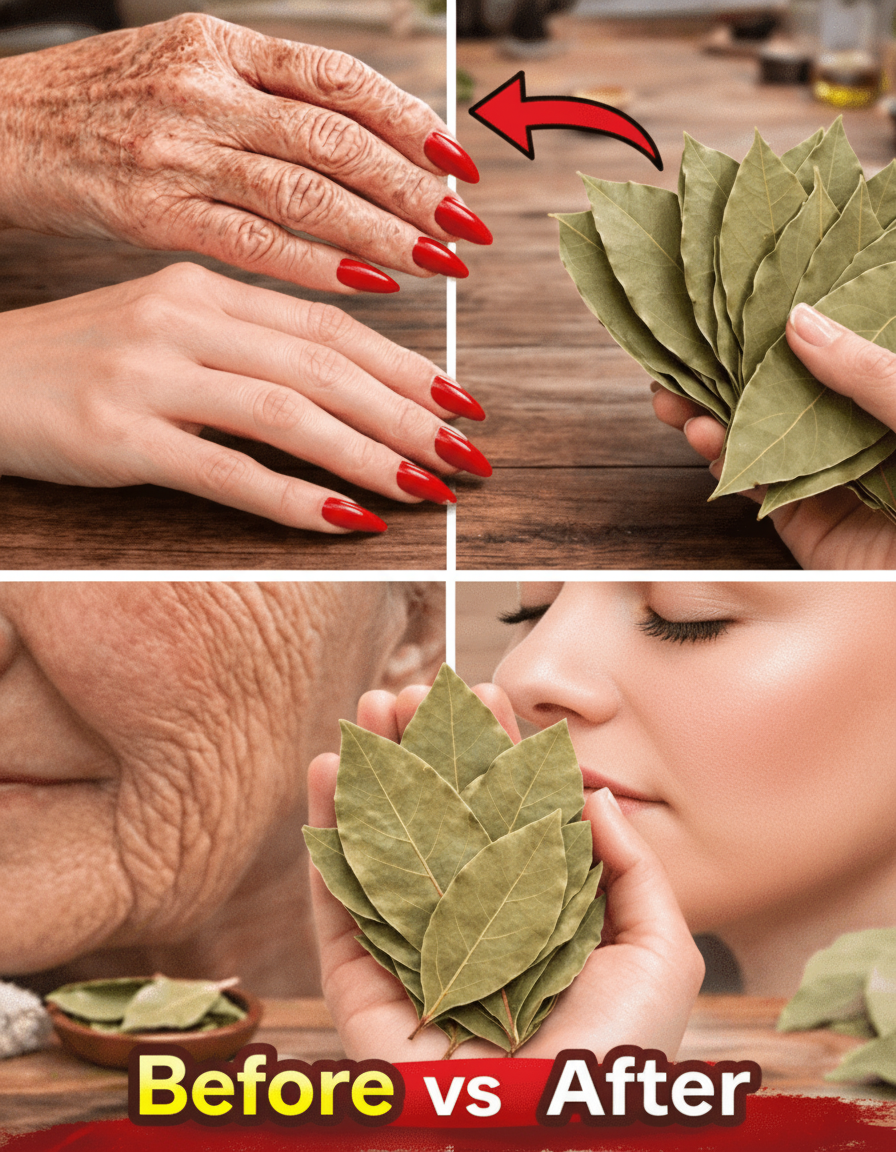
Ready to introduce this ancient herb into your beauty routine? Here’s a straightforward, step-by-step method to prepare a homemade bay leaf infusion, perfect for use as a gentle facial toner or refreshing skin rinse:
- Gather Your Materials: You will need 5-7 dried bay leaves, 2 cups of filtered water, and a clean, airtight container (preferably glass) for storage.
- Prepare the Infusion: Bring the 2 cups of water to a rolling boil in a saucepan. Once boiling, add the dried bay leaves to the water.
- Simmer and Steep: Reduce the heat to a simmer and let the bay leaves gently cook for approximately 10 minutes. This allows the beneficial compounds and essential oils to release into the water.
- Cool and Strain: Remove the saucepan from the heat and allow the mixture to steep for an additional 30 minutes, or until it has cooled completely to room temperature. Once cool, strain the liquid through a fine-mesh sieve or cheesecloth to remove all leaf particles.
- Store and Apply: Transfer the strained bay leaf infusion into your clean, airtight container and store it in the refrigerator. It can be kept fresh for up to one week. To use, simply apply the cooled infusion to your cleansed face and neck using a cotton pad, much like a regular toner.
This process is remarkably simple, utilizing ingredients you likely already have at home. Remember, consistency is often the most important factor in achieving noticeable results with any natural skincare routine.
Creative Ways to Include Bay Leaves in Your Daily Routine
Beyond simple infusions, bay leaves offer versatility for more elaborate DIY skincare treatments:
- DIY Bay Leaf & Honey Face Mask: For a gentle exfoliating and moisturizing mask, finely crush 3-4 dried bay leaves into a powder. Mix this powder with a tablespoon of raw honey – a natural humectant known for its moisturizing and antibacterial properties. Apply the mixture to your clean face, avoiding the eye area, and leave it on for 10-15 minutes. The crushed bay leaves provide a mild physical exfoliation, while honey nourishes the skin. Rinse thoroughly with lukewarm water.
- Herbal Steam Facial: Elevate your at-home spa experience by incorporating bay leaves into a steam facial. Bring a pot of water to a boil, then remove it from the heat. Add 5-6 bay leaves to the hot water. Carefully drape a towel over your head and lean over the pot, allowing the steam to gently envelop your face for 5-10 minutes. The aromatic vapors infused with bay leaf essential oils can help open pores, purify the skin, and provide a relaxing, therapeutic experience.
These creative applications offer accessible ways to harness the natural benefits of bay leaves, allowing you to tailor your skincare approach to your unique needs and preferences.
Important Considerations Before Using Bay Leaves for Skin
While bay leaves offer promising natural benefits, it’s crucial to approach their use with awareness and caution. As with any new herbal remedy, individual reactions can vary. Always perform a patch test on a small, inconspicuous area of your skin (e.g., behind the ear or on the inner forearm) at least 24 hours before applying bay leaf preparations more widely. Discontinue use immediately if you experience any irritation, redness, or allergic reaction.
Furthermore, pregnant or breastfeeding individuals, and those with pre-existing skin conditions or allergies, should consult with a healthcare professional or dermatologist before incorporating bay leaves into their skincare routine. Always ensure you are using Laurus nobilis (true bay laurel) and not other varieties that might be toxic. The information provided here is for educational purposes and should not replace professional medical advice.
Embrace Nature’s Radiance with Bay Leaves
In a world often dominated by complex chemical formulations, the simple, natural power of bay leaves presents a refreshing alternative for those seeking to enhance their skin’s natural radiance. From their rich historical legacy to their scientifically backed antioxidant and vitamin content, bay leaves offer a compelling case for inclusion in a holistic skincare regimen. Whether you choose a refreshing infusion, a nourishing mask, or a soothing steam, embracing this humble herb can be a delightful step towards a healthier, more vibrant complexion. By integrating bay leaves thoughtfully and consistently, you might just unlock the secret to the naturally glowing skin you’ve been searching for.