 By admin
 Beyond a Damp Pillow: 8 Health Conditions Linked to Excessive Drooling While Sleeping
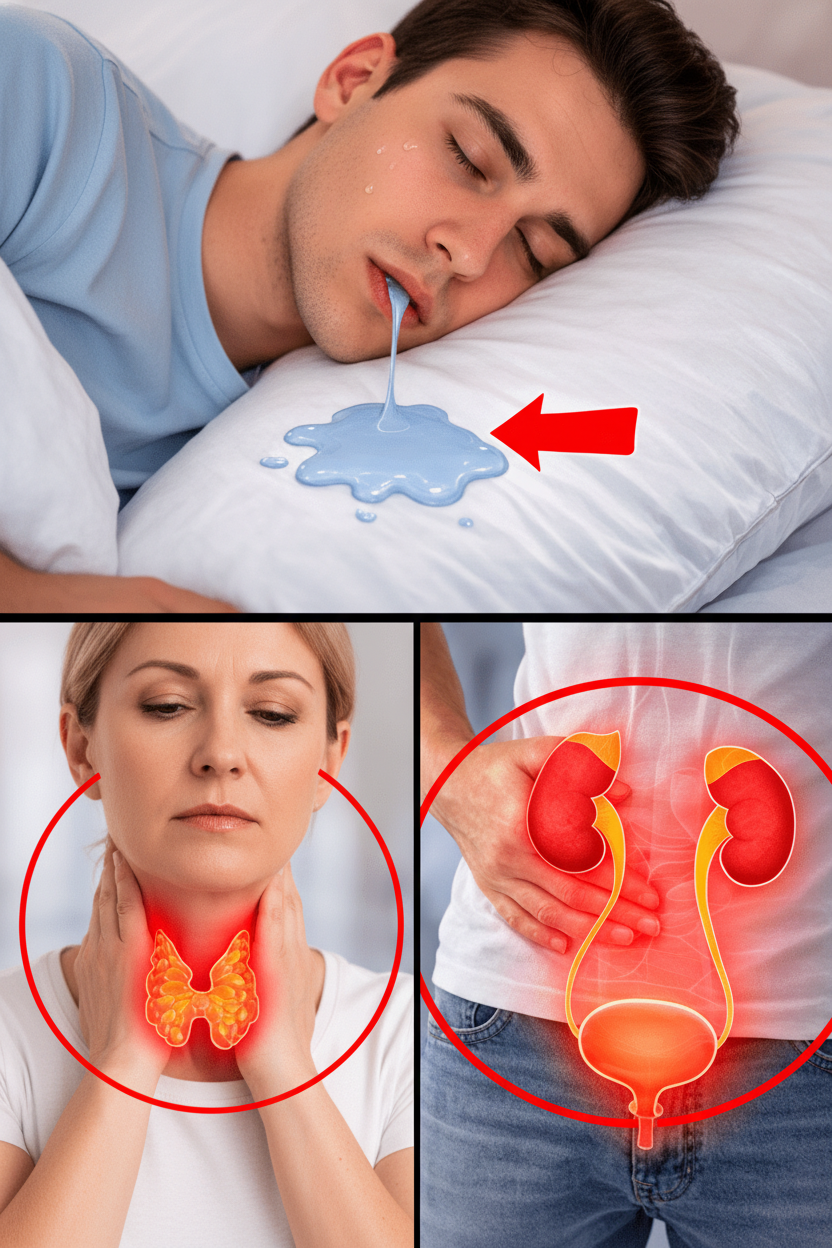
Waking up to a wet pillow, with tell-tale streaks of saliva on your face, can be an embarrassing and puzzling experience. While occasional drooling during sleep might seem harmless, persistent or excessive nighttime drooling, medically termed nocturnal sialorrhea, could be your body’s subtle way of signaling an underlying health issue. Many adults experience this phenomenon, often dismissing it as a minor inconvenience. However, research suggests that frequent drooling isn’t always benign; it can point to various conditions ranging from simple habits to more serious medical concerns that warrant attention.
If you’ve noticed an increase in drooling, especially when accompanied by symptoms like chronic snoring, heartburn, or difficulty swallowing, it’s crucial not to overlook it. While common, consistent nocturnal sialorrhea can indicate problems with your respiratory system, swallowing reflexes, or saliva management. Medical professionals emphasize that early identification and intervention can prevent potential complications, such as skin irritation around the mouth or even aspiration of saliva into the lungs. Understanding the potential causes behind your excessive drooling can empower you to seek appropriate guidance and improve your overall sleep health and well-being.
Why Does Excessive Drooling Occur During Sleep?
The phenomenon of drooling predominantly manifests at night for several physiological reasons. While our bodies continue to produce saliva during sleep, the frequency of swallowing significantly decreases, and the muscles responsible for keeping the mouth closed tend to relax. This, combined with gravity and the tendency to breathe through the mouth, creates an environment where saliva can easily escape, leading to excessive drooling during sleep. Medical experts, including those from institutions like the Cleveland Clinic, point out that underlying conditions affecting muscle control, neurological function, or respiratory pathways can intensify this effect, leading to more pronounced nocturnal sialorrhea. While sleeping position can sometimes contribute, persistent drooling often indicates a deeper issue. Based on insights from leading medical organizations such as the Mayo Clinic and the American Academy of Sleep Medicine, here are eight conditions commonly linked to nighttime drooling in adults.
The 8 Conditions That May Cause Nighttime Drooling
Let’s explore common causes of nocturnal sialorrhea, counting down from the most frequent to those indicating more complex health concerns:
8. Nasal Congestion or Chronic Sinus Issues
One of the most straightforward reasons for nighttime drooling is an obstructed nasal airway. Conditions like seasonal allergies, a common cold, or chronic sinusitis can block your nasal passages, compelling you to breathe through your mouth while you sleep. When your mouth remains open, gravity naturally allows saliva to escape, leading to drooling. While temporary congestion might cause occasional drooling, persistent issues warrant investigation.
7. Gastroesophageal Reflux Disease (GERD)
Acid reflux, commonly known as GERD, can significantly contribute to excessive drooling. When stomach acid flows back into the esophagus, it causes irritation and a burning sensation. In response, your body naturally produces more saliva to help neutralize the acid and soothe the irritation. Lying down exacerbates this reflux, increasing saliva production and the likelihood of drooling. Many individuals with GERD also report sensations of choking or difficulty swallowing, further linking it to nocturnal sialorrhea.
6. Medication Side Effects
Certain medications can inadvertently stimulate saliva glands, leading to hypersalivation. Drugs commonly associated with this side effect include some antipsychotics, Alzheimer’s medications, and cholinergic agonists. If you’ve recently started a new medication and noticed an increase in nighttime drooling, it’s worth discussing with your doctor, as medication adjustments might alleviate the issue.
5. Obstructive Sleep Apnea (OSA)
Obstructive Sleep Apnea is a serious sleep disorder where breathing repeatedly stops and starts during sleep due to relaxed throat muscles blocking the airway. This disruption forces individuals to breathe through their mouth, often accompanied by loud snoring, which can easily lead to drooling. Research highlights a strong correlation between OSA and nocturnal sialorrhea, often alongside symptoms like chronic fatigue and daytime sleepiness.
4. Infections or Throat Irritation
Temporary infections or irritations in the throat can also trigger excessive drooling. Conditions such as swollen tonsils, strep throat, or even severe post-nasal drip can make swallowing difficult or increase mucus and saliva production. While often temporary, persistent drooling in conjunction with a sore throat or other infection symptoms should prompt a medical check-up.
3. Stroke or Recent Neurological Event
A sudden onset of drooling, particularly if localized to one side of the mouth, can be a critical indicator of a recent stroke or other neurological event. A stroke can cause muscle weakness or paralysis in the facial muscles, impairing the ability to close the mouth or swallow effectively. This symptom, especially when combined with slurred speech or facial drooping, requires immediate medical evaluation.
2. Parkinson’s Disease
Parkinson’s disease is a progressive neurological disorder that impacts movement. A significant percentage of individuals with Parkinson’s (up to 80%) experience sialorrhea due to impaired swallowing coordination and reduced facial muscle control. Excessive drooling can be an early and bothersome symptom, often accompanied by tremors, stiffness, and balance issues.
1. Other Neurological Conditions
Beyond Parkinson’s and stroke, various other neurological conditions can severely disrupt nerve signals and muscle function, leading to chronic difficulties in managing saliva. Conditions like Amyotrophic Lateral Sclerosis (ALS), Cerebral Palsy, or Multiple Sclerosis can impair the motor control necessary for effective swallowing and mouth closure, making drooling a common and persistent challenge for affected individuals.
Potential Linked Conditions: A Quick Reference
Understanding the connection between drooling and other symptoms can help you identify potential underlying issues:
| Condition | Why It May Cause Drooling | Often Accompanied By |
|---|---|---|
| Sleep Apnea & Nasal Congestion | Mouth breathing due to obstructed airways | Snoring, chronic fatigue, difficulty breathing |
| GERD & Infections | Excess saliva production to soothe irritation or increased mucus | Heartburn, sore throat, choking sensations |
| Medications & Stroke | Impaired muscle control or hypersalivation | Speech changes, facial weakness, new drug regimen |
| Parkinson’s & Neurological Conditions | Muscle/nerve dysfunction affecting swallowing and mouth closure | Tremors, stiffness, balance issues, progressive weakness |
Real Stories: Recognition Brought Positive Change
Consider Laura, 58, whose persistent drooling worsened alongside her snoring. After a sleep study, she was diagnosed with sleep apnea. Consistent CPAP therapy not only dramatically reduced her drooling but also significantly boosted her energy levels and overall well-being. Similarly, David, 65, noticed his nighttime drooling increased after episodes of acid reflux. By effectively managing his GERD through dietary changes and medication, he experienced significantly drier, more comfortable nights.
It’s understandable to consider nighttime drooling a minor issue, but these real-life examples highlight how addressing persistent nocturnal sialorrhea can lead to significant improvements in health and quality of life. Don’t dismiss persistent drooling as merely a nuisance; it could be a vital clue your body is giving you about your health. If you’re experiencing frequent or excessive drooling during sleep, especially with other concerning symptoms, consult a healthcare professional. Early diagnosis and treatment can make a substantial difference.