 By admin
 Beyond Brushing: Natural Strategies for Stronger Teeth and Reduced Cavity Risk
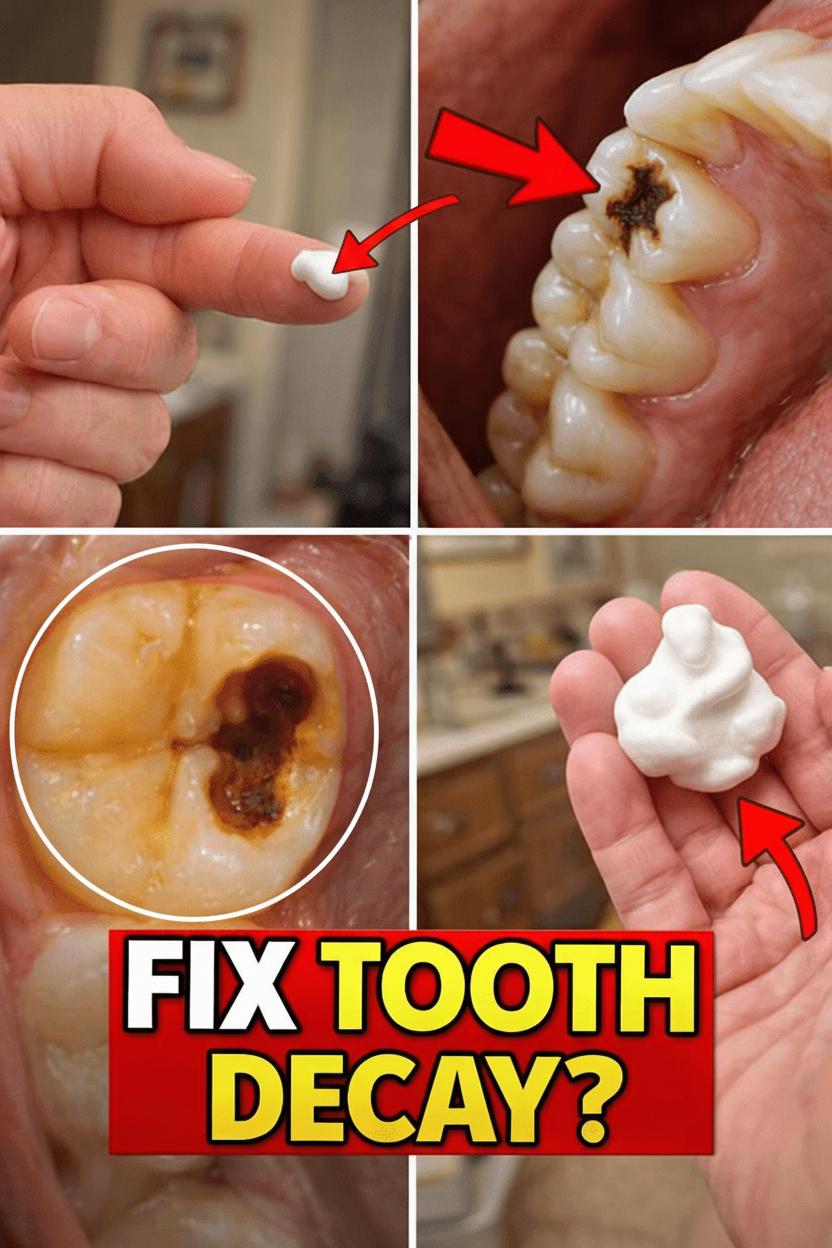
The sudden appearance of a small dark spot on your tooth can instantly trigger a wave of concern, signaling potential issues like sensitivity or the inconvenience of a dental appointment. These common worries highlight how daily habits can gradually impact our oral health. However, the encouraging news is that proactive, natural approaches can significantly bolster your teeth’s resilience and overall wellness. This comprehensive guide delves into science-backed strategies you can implement right at home to foster stronger teeth and effectively minimize cavity risk.
Understanding Your Teeth’s Natural Defense System
Our teeth are remarkably dynamic, constantly engaged in a delicate balance between mineral loss (demineralization) and mineral gain (remineralization). Every time we consume acidic foods, sugary drinks, or when oral bacteria produce acids, the protective enamel — the hardest substance in the human body — can gradually erode. Fortunately, our saliva acts as a natural defense, working diligently to redeposit vital minerals such as calcium and phosphate back into the enamel, a process known as remineralization.
Leading dental research, including insights from the National Institute of Dental and Craniofacial Research (NIDCR), underscores that supporting this natural remineralization process through informed daily habits is crucial for maintaining dental integrity. Fluoride, a cornerstone of modern dental care found in many toothpastes and some public water supplies, is particularly effective. It not only helps to strengthen enamel but also makes it significantly more resistant to corrosive acid attacks. Beyond fluoride, dietary choices play a pivotal role; reducing frequent exposure to sugars and acids allows your teeth adequate time to recover and rebuild between meals. Furthermore, a diet rich in specific nutrients provides the essential building blocks for this intrinsic protective mechanism.
Essential Nutrients for Building Robust Enamel
To truly fortify your teeth from within, prioritize a diet rich in specific minerals and vitamins that directly contribute to enamel strength and overall oral health. These dietary components are vital for the continuous remineralization process:
- Calcium Sources: This fundamental mineral is crucial for depositing new minerals back into your enamel. Excellent sources include dairy products like cheese and yogurt, a variety of leafy green vegetables such as kale and spinach, and fortified plant-based alternatives like almond or soy milk.
- Phosphorus-Rich Foods: Phosphorus works synergistically with calcium to strengthen teeth and bones. You can find this essential mineral in eggs, various types of fish, nuts, and lean protein sources like poultry and red meat.
- Vitamin D Enhancers: Vitamin D is indispensable for the optimal absorption of both calcium and phosphorus in the body. Boost your intake through safe sun exposure, consuming fatty fish (e.g., salmon, mackerel), and incorporating fortified foods into your diet.
- Crunchy Fruits and Vegetables: Beyond their nutritional content, fibrous produce like apples, carrots, and celery act as natural toothbrushes. Chewing them helps to gently scrub away food particles and, importantly, stimulates saliva production, which is crucial for rinsing the mouth and promoting remineralization.
Research consistently shows that a diet emphasizing these nutrient-dense options, while minimizing sugary and highly acidic items, creates an exceptionally supportive environment for superior oral health and helps in reducing cavity risk.
Cornerstone Daily Habits for Optimal Oral Health
Integrating these straightforward yet highly effective practices into your daily routine can significantly enhance your natural defenses against cavities and promote overall dental well-being:
- Brush Twice Daily with Fluoride Toothpaste: This remains the bedrock of effective oral hygiene. Fluoride actively assists in the remineralization process, helping to replenish lost minerals and creating a stronger, more acid-resistant enamel surface.
- Floss or Use Interdental Cleaners Daily: Brushing alone can’t reach all surfaces. Regular flossing or using interdental brushes is vital for removing plaque and food debris from between teeth and along the gumline, thereby preventing the accumulation of acid-producing bacteria.
- Incorporate Xylitol Sugar-Free Gum After Meals: Chewing sugar-free gum containing xylitol offers a unique benefit. Xylitol, a natural sugar alcohol, not only stimulates saliva flow but also has been shown in dental studies to inhibit the growth of harmful, cavity-causing bacteria.
- Maintain Consistent Hydration with Water: Sipping water throughout the day helps rinse away lingering food particles and maintains a healthy, consistent flow of saliva. Saliva is indispensable for neutralizing acids and facilitating the essential mineral exchange that keeps your enamel strong.
- Reduce the Frequency of Snacking: Every time you eat or drink anything other than water, your teeth are exposed to an acid attack. By limiting frequent snacking, you give your teeth more recovery time between meals, allowing natural repair mechanisms to work more effectively.
These fundamental habits are not only easy to adopt but collectively contribute immensely to a resilient and healthy smile, significantly reducing your cavity risk.
Exploring Complementary Natural Practices
The Ancient Practice of Oil Pulling
Oil pulling, an age-old Ayurvedic tradition, involves swishing a tablespoon of oil in the mouth for an extended period. This practice has garnered contemporary interest for its potential role in reducing oral bacteria and promoting gum health. Coconut oil is a popular choice for oil pulling due to its high concentration of lauric acid, which possesses well-documented antimicrobial properties.
Preliminary studies suggest that regular oil pulling may help decrease plaque accumulation and reduce the population of harmful oral bacteria, potentially offering benefits comparable to some commercial mouthwashes. However, it is crucial to understand that oil pulling serves as a complementary therapy and should never replace foundational practices like daily brushing and flossing.
If you wish to incorporate oil pulling into your routine, follow these steps:
- Measure: Use 1 tablespoon of high-quality coconut oil (it can be solid or liquid).
- Swish: Gently swish the oil around your mouth for 10 to 20 minutes. Avoid gargling.
- Discard: Spit the oil into a trash can (not down the sink, as it can solidify and cause clogs).
- Rinse & Brush: Rinse your mouth thoroughly with water and then proceed with your usual brushing and flossing routine.
While the findings on plaque reduction are encouraging, it’s important to note that organizations like the American Dental Association (ADA) emphasize the need for more extensive scientific research to substantiate broader claims regarding oil pulling’s comprehensive dental benefits.
Simple DIY Oral Care Enhancements
For those interested in natural augmentations to their oral care regimen, several simple homemade mixtures can provide additional support. A common blend often includes:
- Coconut Oil: Utilized as a natural base, leveraging its texture and the potential antimicrobial benefits of its lauric acid content.
- Baking Soda: A small quantity can act as a mild abrasive, aiding in gentle surface polishing and stain removal. However, it’s crucial to use baking soda sparingly to prevent potential enamel abrasion.
- Xylitol: An optional addition for its natural sweetness and its proven ability to help inhibit harmful oral bacteria, contributing to a healthier oral microbiome.
While these DIY options can be supportive, it is always recommended to perform a patch-test first and, more importantly, to consult with your dentist or a dental hygienist before making any significant alterations to your established oral care routine. Professional guidance ensures these practices align with your individual dental health needs and do not inadvertently cause harm.