 By admin
 In our constant quest for optimal health, many of us seek natural solutions to combat fatigue, manage daily inflammation, or simply enhance overall well-being. The digital age often floods us with viral health trends, promising miraculous results from common plants. While these quick fixes can be tempting, they often lead to disappointment when reality falls short of the hype.
Amidst this landscape, Graviola leaves—also widely known as soursop leaves—have emerged as a prominent subject of discussion, lauded online as a “powerful leaf” with remarkable health potential. But how much of this enthusiasm is rooted in credible scientific evidence, and how much is merely internet speculation? This article delves into what research and centuries of traditional use truly reveal about Graviola leaves, guiding you through their potential benefits and crucial safety considerations. We’ll explore the scientific findings and offer practical, evidence-based insights for thoughtful incorporation.
What Exactly Are Graviola (Soursop) Leaves?
Graviola, scientifically known as Annona muricata, is a tropical evergreen tree indigenous to the Caribbean, Mexico, Central America, and South America. While its distinctive, creamy fruit—often called soursop—is prized for its tangy flavor in culinary applications, it’s the tree’s leaves that have garnered significant attention in the health and wellness sphere.
Historically, indigenous communities in these tropical regions have long valued graviola leaves, often preparing them as a herbal tea for their perceived benefits in promoting overall comfort and vitality. Modern social media trends have amplified this traditional wisdom, often portraying the leaves as a “natural powerhouse” capable of providing robust antioxidant support and enhancing immune function. Nevertheless, it’s crucial to distinguish these general wellness claims from more exaggerated assertions, such as “eradicating” severe diseases, which are entirely unsubstantiated by human clinical trials and lack endorsement from reputable health organizations.
Delving deeper, scientific investigations in laboratory settings have pinpointed a distinct class of compounds within soursop leaves: acetogenins. These unique phytochemicals have demonstrated intriguing biological activity in controlled in vitro (test-tube) environments. While these preliminary findings certainly pique scientific curiosity, health experts consistently caution that promising results observed in a lab dish do not automatically translate into confirmed therapeutic effects within the complex human body.
Emerging Research: What Are the Potential Wellness Benefits of Soursop Leaves?
Current scientific inquiry into graviola leaves primarily explores their rich profile of natural bioactive compounds. Based on the available evidence, here are some key areas where these leaves show promise as general wellness supports:
- Potent Antioxidant Support: Soursop leaves are abundant in various compounds known for their antioxidant capabilities. These substances play a crucial role in neutralizing free radicals—unstable molecules that contribute to cellular stress, premature aging, and various health challenges. By combating oxidative stress, these antioxidants may contribute positively to overall cellular vitality and health.
- Support for Healthy Inflammation Response: Bioactive constituents found in graviola appear to modulate the body’s inflammatory responses. Many individuals experience mild, everyday inflammation due to lifestyle factors such as diet, stress, and environmental exposures. The compounds in soursop leaves may offer gentle support in maintaining a balanced inflammatory state.
- Immune System Enhancement: Reflecting centuries of traditional practice where leaf tea was consumed for general defense, preliminary scientific studies suggest that certain plant compounds in graviola could have supportive effects on various immune markers, potentially bolstering the body’s natural protective mechanisms.
- Digestive Harmony: Anecdotal reports and traditional applications frequently highlight the use of soursop leaf tea to alleviate common digestive discomforts like occasional bloating, mild cramps, and indigestion—issues often exacerbated by contemporary dietary patterns.
Crucially, it is vital to reiterate: these identified benefits pertain to general wellness support and are not to be mistaken for treatments or cures for specific diseases. There is currently no robust, reputable research that validates graviola leaves as a primary solution or curative agent for severe health conditions such as cancer, diabetes, or other chronic illnesses. Consumers should approach such claims with extreme skepticism.
The Scientific Verdict: Separating Fact from Fiction Regarding Graviola Leaves
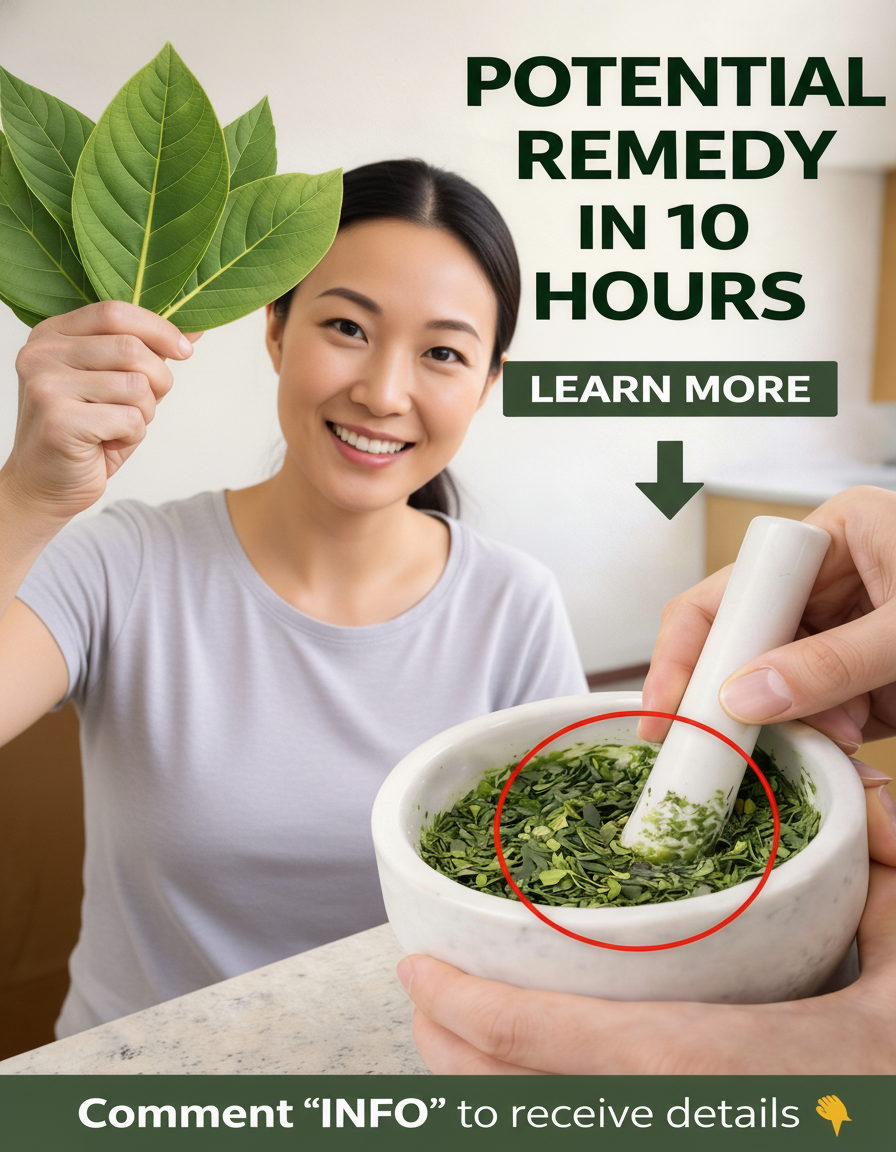
While laboratory investigations have certainly shed light on the potential of acetogenins and other compounds found in graviola leaves, demonstrating interesting effects on cellular processes in vitro (in test tubes or petri dishes), it is imperative to understand the limitations of such findings. The environment of a laboratory dish is vastly different from the intricate biological systems within the human body. Consequently, results from these controlled settings do not automatically translate into clinical efficacy or safety for human consumption.
A critical point often overlooked in the online buzz is the scarcity of comprehensive human clinical trials on soursop leaves. Without extensive studies involving human subjects, definitive conclusions about their effectiveness, optimal dosages, and long-term safety cannot be drawn. Leading health organizations and medical experts consistently advise that while traditional herbal remedies can offer complementary support for mild conditions, graviola should unequivocally never be considered a substitute for established medical treatments or professional healthcare advice.
The proliferation of exaggerated claims, particularly those found in viral social media content, poses a significant risk by fostering false hope and potentially deterring individuals from seeking appropriate medical intervention. Evidence-based sources strongly advocate for caution and a critical approach to such information. The reality is that while graviola leaves indeed contain intriguing natural compounds that show promise for general everyday wellness, they are best viewed as one component within a holistic health strategy—one that fundamentally includes a balanced diet, regular physical activity, and, most importantly, personalized guidance from healthcare professionals.
Graviola Leaves in Context: Comparing with Other Popular Herbal Supports
To better understand where graviola leaves fit within the broader spectrum of natural wellness, let’s briefly compare them with two other widely recognized herbal options. This comparison highlights their unique properties and underscores the principle that no single herb is a “miracle cure.”
- Graviola (Soursop) Leaves: Distinguished by their unique concentration of acetogenins. Traditionally used as a tea for general comfort, vitality, and antioxidant support. Research, while emerging, points to potential benefits for mild inflammation and immune system modulation.
- Moringa Leaves: Renowned as a nutritional powerhouse, packed with an impressive array of vitamins, minerals, and broad-spectrum antioxidants. Often researched for its comprehensive nutritional support and potential to address dietary deficiencies.
- Green Tea Leaves: Extensively studied and highly regarded for their rich content of catechins, particularly EGCG. These compounds are associated with significant anti-inflammatory effects, metabolic benefits, and cardiovascular support, backed by a substantial body of human clinical research.
While each of these botanicals offers distinct advantages and can effectively complement a healthy lifestyle, it is crucial to remember that they serve as supportive elements, not standalone solutions for serious health concerns. A balanced approach that integrates diverse natural sources, alongside conventional medical advice, remains paramount.
Actionable Tips: Safely Incorporating Graviola (Soursop) Leaves into Your Routine
If you’re considering exploring graviola leaf tea or other soursop leaf products for general wellness, it’s essential to do so cautiously and responsibly. Here are some actionable tips for safe incorporation:
- Consult Your Healthcare Provider First: This is the most critical step. Before adding any new herbal supplement, including graviola leaves, to your regimen, always discuss it with your doctor or a qualified healthcare professional. This is especially important if you have pre-existing health conditions, are pregnant or breastfeeding, or are taking any medications (as there could be potential interactions).
- Start with Low Doses: Begin with a very small amount to assess your body’s reaction. Gradually increase the dosage only if well-tolerated and under professional guidance.
- Source Reputably: Purchase soursop leaf products from trusted suppliers who provide information on sourcing, purity, and quality control. Contaminated or mislabeled products can pose health risks.
- Be Mindful of Duration: Long-term use of any herbal supplement without professional oversight is generally not recommended. Consider cyclical use or discuss appropriate durations with your healthcare provider.
- Monitor for Side Effects: Pay close attention to any adverse reactions, such as digestive upset, changes in blood pressure, or neurological symptoms. Discontinue use and consult a doctor if you experience any unusual or uncomfortable effects.
- Avoid Extreme Claims: Remain skeptical of products or information promoting graviola leaves as a “cure-all” or a replacement for conventional medical treatment.
Ultimately, graviola (soursop) leaves present an intriguing natural resource with a history of traditional use and promising preliminary scientific findings for general wellness support. However, it is crucial to approach their use with a balanced perspective, prioritizing evidence-based information, consulting healthcare professionals, and recognizing that they are complementary tools within a comprehensive health strategy, not miraculous cures. Your health journey is unique, and informed decisions are always the most powerful ones.