 By admin
 Can Toothpaste Really Deter Household Pests Like Cockroaches, Ants, and Mice? Exploring Natural Home Remedies
Dealing with unwanted guests like cockroaches, ants, or mice in your home can be incredibly unsettling. These persistent pests don’t just appear; they contaminate food sources, spread bacteria, and diminish the comfort and cleanliness of your living space. Many homeowners often resort to harsh chemical sprays or baits, only to encounter recurring infestations, escalating costs, and valid concerns about the safety of their families and pets.
What if a common item, readily available in your bathroom cabinet, could offer a subtle, supplementary role in your overall pest management strategy? This article delves into the intriguing notion of utilizing toothpaste as a component of natural pest deterrence. While it’s important to state upfront that it’s not a standalone, scientifically proven solution, some individuals have shared anecdotal successes, often attributing it to toothpaste’s distinctive mint scent and other properties. Join us as we explore the efficacy of this unconventional method and reveal more robust, practical tips for keeping common household pests at bay.
Understanding Common Household Pests: Why They Invade Your Space
Pests such as cockroaches, ants, and mice are primarily attracted to your home for three fundamental reasons: easy access to food, readily available water, and secure shelter. Neglected crumbs on kitchen counters, minor plumbing leaks, or cluttered storage areas create inviting conditions for these creatures. Once they establish a foothold, they can reproduce rapidly, quickly transforming a minor sighting into a significant infestation. While conventional pest control products remain effective for many, a growing number of individuals are seeking gentler, non-toxic alternatives. This is where the discussion of home remedies for pest control, including essential oils or everyday kitchen ingredients, comes into play, aiming to disrupt pest behavior through scent-based deterrents or physical barriers.
The Power of Peppermint: How Mint Scents May Deter Pests
Many varieties of toothpaste incorporate mint flavors, typically derived from compounds found in peppermint or spearmint. Research into peppermint essential oil suggests its potential as a natural repellent for various insects due to its potent aroma. This strong scent is believed to overwhelm the delicate sensory receptors of pests like ants, spiders, and cockroaches, making an area undesirable. Studies exploring the efficacy of plant-based repellents indicate that powerful natural scents can temporarily discourage some pests from lingering or nesting in treated zones.
For instance, essential oils rich in menthol have demonstrated the capacity in laboratory settings to interfere with insect navigation and feeding patterns. While toothpaste is certainly not a pure essential oil, its mint content might offer a mild, similar effect when applied strategically. However, a critical distinction must be made: toothpaste is formulated for oral hygiene, not pest extermination. Consequently, its concentrations of active aromatic compounds or other ingredients are significantly lower compared to dedicated, potent repellents.
Toothpaste as a Pest Deterrent: Separating Fact from Fiction
Online forums and personal accounts often feature claims of success using toothpaste for pest deterrence. Some individuals report squeezing mint-flavored toothpaste along baseboards, window sills, or known entry points, asserting that the strong mint smell effectively keeps ants away or disrupts the migratory paths of cockroaches. For rodents like mice, the theory posits that they are repelled by intense odors.
Despite these anecdotal reports, robust scientific evidence supporting toothpaste’s effectiveness as a reliable pest control solution is notably limited. Experts generally concur that while peppermint compounds can indeed irritate or deter soft-bodied insects, this typically requires much higher concentrations than those found in standard toothpaste. Furthermore, ingredients like fluoride or other additives common in toothpaste are not designed or proven to be effective against pests at typical household application levels.
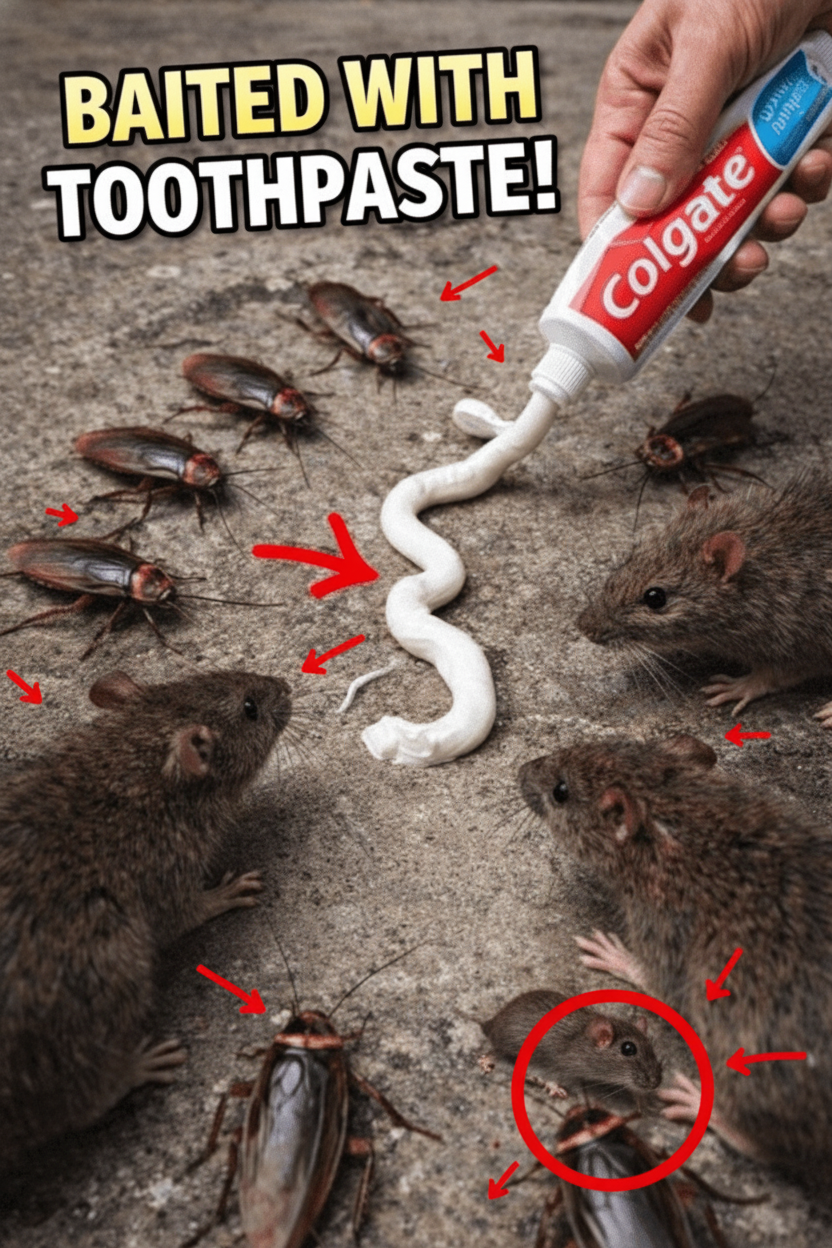
In essence: while toothpaste might offer a barely perceptible, short-term sensory barrier in specific instances due to its scent, it is unequivocally not a substitute for proven, effective pest prevention methods. It can be considered a low-risk, experimental addition to your routine only while you simultaneously address the root causes of infestations, such as improving sanitation and sealing all potential entry points.
Effective Natural Pest Control Alternatives
If your goal is to manage household pests using gentler, more eco-friendly pest control methods, consider these evidence-informed strategies that offer more substantial results than simple toothpaste experiments:
- Pure Peppermint Essential Oil Application: For a more potent mint-based deterrent, dilute pure peppermint essential oil with water and spray it around windows, doorframes, and cracks. The significantly higher concentration of menthol in the oil offers a much stronger repellent effect compared to toothpaste.
- Superior Sanitation and Exclusion: This is the cornerstone of effective pest management. Consistently wipe down all kitchen surfaces, store food in airtight containers, promptly clean up spills and crumbs, and fix any leaky faucets or pipes. Additionally, use caulk or sealant to seal all gaps, cracks, and holes in walls, foundations, and around utility lines to block entry points. Keep outdoor areas free of debris and trim vegetation away from your home’s exterior.
- Diatomaceous Earth (Food-Grade): This natural powder, derived from fossilized algae, works by dehydrating insects upon contact. It’s safe for use around humans and pets when opting for the food-grade variety, making it an excellent barrier for ants and cockroaches.
- Boric Acid Baits: When used cautiously and strategically, boric acid can be an effective bait for cockroaches and ants. It works as a stomach poison, slowly affecting their nervous systems. Always place baits in areas inaccessible to children and pets.
Combining several of these natural pest prevention strategies often yields the most successful and sustainable outcomes for a pest-free home.
Comparison of Common Natural Pest Deterrents
| Method | Key Characteristics & Efficacy | Considerations |
|---|---|---|
| Peppermint Oil | Strong, concentrated scent; effective repellent for ants, cockroaches, spiders. | Requires dilution and regular reapplication for sustained effect. |
| Mint-Based Toothpaste | Mild scent; widely available, very low cost; limited scientific evidence for efficacy. | Best used as a very minor, temporary, experimental deterrent; not a primary solution. |
| Diatomaceous Earth | Natural, non-toxic powder; dehydrates insects on contact (physical action). | Must be food-grade; effective when applied correctly in dry areas. |
| Boric Acid Baits | Attracts and eliminates roaches/ants; acts as a stomach poison. | Use with extreme caution around children and pets; targeted application. |
Trying Toothpaste for Pests: A Cautious Approach
If you’re still curious to experiment with toothpaste as a minor addition to your pest management routine, here’s a simple and cautious way to proceed, keeping realistic expectations in mind:
- Select a Strong Mint Flavor: Opt for a toothpaste with a pronounced peppermint or spearmint scent, as these tend to be the most noticeable and potentially irritating to pests.
- Targeted Application: Apply a thin line of toothpaste in areas where you’ve observed pest activity or potential entry points, such as along baseboards, under sinks, or near small cracks.
- Monitor and Observe: Pay close attention to whether pest activity in the treated areas decreases. Remember, any effect is likely to be temporary and subtle.
- Combine with Proven Methods: Crucially, continue to implement more reliable pest prevention strategies like thorough cleaning, sealing entry points, and considering more potent natural alternatives.
Ultimately, while the idea of using toothpaste for pest control is intriguing, it’s best viewed as a minor, experimental step rather than a definitive solution. A multi-faceted approach combining excellent sanitation, exclusion, and proven natural deterrents will always be your strongest defense against household pests.