 By admin
 Listen up, folks! For generations, cassava leaves have been the secret sauce in traditional diets and herbal practices across Africa, Asia, and South America. Now, everyone’s waking up and rediscovering these nutrient-packed greens for their own wellness routine. But here’s the real talk: with all their unique power, there’s one burning question you can’t ignore: how do you get all the goodness from cassava leaves without messing things up and keeping yourself safe? We’re about to spill the beans.
This isn’t some fluffy article; this is your ultimate, no-nonsense guide to everything you need to know. We’re laying it all out, clear and practical. But hold your horses, because before we get deep, there’s a game-changing preparation secret – a trick that generations of traditional users swear by to make cassava leaves not just safe, but downright delicious. Trust me, you’ll want to stick around for that bombshell at the end!
What Are Cassava Leaves?
So, what are we even talking about? Cassava leaves are the green powerhouses from the mighty cassava plant, officially known as Manihot esculenta. Sure, most folks only think of its starchy root—you know, manioc or yuca—but let me tell you, the young leaves are where it’s at, if you prep ’em right. These aren’t your average greens; they pack a punch with more protein than many common leafy veggies. Plus, they’re loaded with serious doses of vitamin A, vitamin C, iron, calcium, and fiber. Talk about a nutritional jackpot!
When you grab ’em young and give ’em the proper treatment, these bad boys transform into a super-nutritious addition to your favorite soups, hearty stews, or even potent herbal drinks in cultures worldwide. Don’t sleep on ’em!
Nutritional Profile of Cassava Leaves
Get ready to be shocked: cassava leaves are ridiculously nutrient-dense. We’re talking serious nutritional muscle. Here’s the breakdown of what you’re typically getting:
- High levels of Vitamin A: Your eyes will thank you, supporting sharp vision and overall eye health. No squinting allowed!
- Good source of Vitamin C: Boost that immune system like a boss. Say goodbye to sniffles!
- Notable protein content: Forget what you heard! These greens pack more protein than many of their leafy cousins. Flex those plant-based muscles!
- Natural iron and calcium: Fuel your body with essential minerals that keep you strong and kicking.
- Antioxidants and fiber: A dynamic duo that supports your gut, fights off bad stuff, and keeps your whole system humming for overall wellness.
With this kind of balanced, powerhouse profile, it’s no wonder smart folks are adding cassava leaves to their diversified, plant-based diet. You should too!
Potential Wellness Benefits of Cassava Leaves
Across the globe, traditional wisdom has tapped into cassava leaves for all sorts of benefits. While the scientists are still catching up, the street knows: these leaves are commonly linked to some serious wellness boosts. Check ’em out:
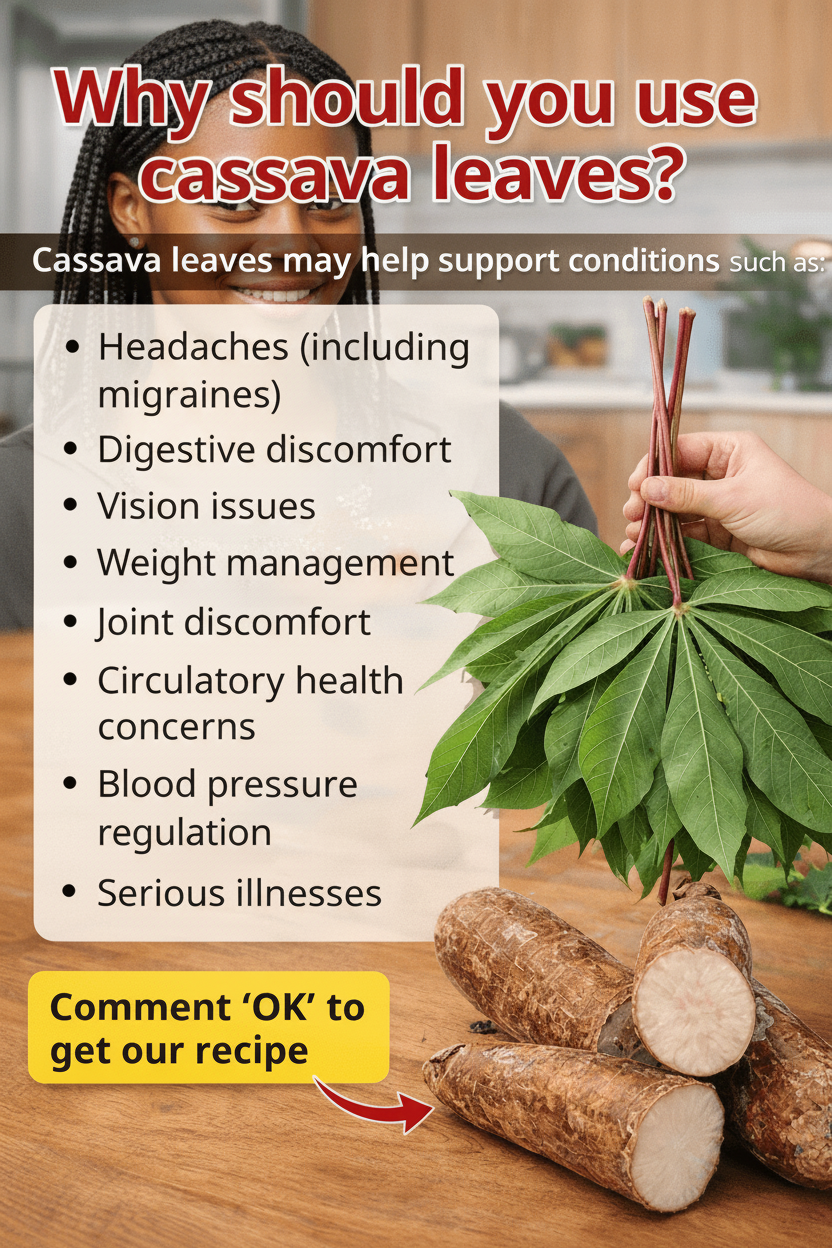
- Supporting Digestive Comfort: Got gut issues? The fiber in cassava leaves can be your best friend, helping keep things regular and kicking mild discomfort to the curb when you make them part of your balanced plate.
- Eye Health Support: Want to keep those peepers sharp? With their natural Vitamin A content, these leaves are a secret weapon in diets focused on maintaining killer healthy vision for the long haul. See what I mean?
- General Energy and Nutrient Boost: Feeling sluggish? These leaves deliver a potent combo of protein, iron, and other essential minerals. They’re a game-changer for anyone looking to supercharge their daily meals with a wider array of nutrients. Get that energy boost!
- Traditional Use for Everyday Wellness: Forget the fancy stuff! In countless homes, cassava leaves are simply boiled into a powerful drink or tossed into soups when folks need that extra nutritional cavalry. It’s old-school wellness that works.
Still not convinced? Let’s throw down a quick comparison of cassava leaves against some of the usual suspects in the leafy green lineup:
| Nutrient Aspect | Cassava Leaves | Spinach | Kale |
|---|---|---|---|
| Protein | Higher | Moderate | Moderate |
| Vitamin A | Very good | Excellent | Excellent |
| Fiber | Good | Good | Very good |
| Iron | Notable | High | Moderate |
Note: Exact values can vary based on soil, variety, and preparation.
But hold up, that’s just scratching the surface! The real magic—and the non-negotiable key to unlocking their full potential safely—comes down to proper handling. We’re talking life-or-death stuff here, and we’re about to break it down for you in excruciating detail, so pay attention!
How to Prepare Cassava Leaves Safely
Alright, listen up, because this is the section that matters. Seriously, THIS IS IT. Raw cassava leaves are no joke; they’re packing natural cyanogenic compounds that can seriously mess you up if you don’t cook them right. We’re talking harmful stuff, so don’t skip a beat here!
Don’t panic, though! There’s a tried-and-true, traditional boiling method that countless people swear by to neutralize these compounds. It’s simple, it’s effective, and it’s how you do it like a pro:
- Grab those fresh, vibrant, young cassava leaves. Quality in, quality out!
- Give ’em a good, thorough wash under running water. No shortcuts here – cleanliness is key!
- Chop ’em up or tear ’em into smaller, manageable pieces. The smaller, the better for cooking.
- Toss ’em into a big pot with *plenty* of water. Pro tip: a few slices of fresh ginger can kick up the flavor a notch, but that’s your call.
- Crank up the heat, bring it to a rolling boil, and let those leaves cook for at least 15–20 minutes. Don’t eyeball it; set a timer!
- Once done, drain *all* that water completely. If you’re feeling extra cautious, give ’em another quick rinse. Better safe than sorry!
Boom! Your cassava leaves are now prepped, purged, and ready for action. Eat ’em straight up, or toss ’em into your killer soups and stews!
Let me be crystal clear: cooking thoroughly isn’t just a suggestion, it’s *essential*. This intense heat is what breaks down and reduces those nasty natural compounds, turning raw, dangerous leaves into something safe and delicious. Don’t skimp on the heat, ever.
<