 By admin
 Cervical Cancer Symptoms: Essential Early Warning Signs Every Woman Needs to Know
Cervical cancer, while largely preventable, remains a significant health concern for women globally. Its insidious nature often means it develops without noticeable signs in its initial stages, leading many women to discover the condition only after it has progressed. This reality can be disconcerting and alarming, especially when common daily discomforts are easily dismissed as ‘normal’ or fleeting.
The encouraging news is that by actively listening to your body and recognizing subtle changes, you can initiate crucial conversations with your healthcare provider much earlier. This proactive approach often leads to significantly better health outcomes. However, a vital piece of information often overlooked is that some of the most telling clues are hidden in plain sight, masquerading as minor inconveniences that might be ignored for weeks or even months. This comprehensive guide aims to equip you with a clearer understanding of what to monitor—and reveal a key preventive measure proven to dramatically reduce your risk.
What is Cervical Cancer?
Cervical cancer originates in the cells that line the cervix, which is the narrow, lower part of the uterus connecting to the vagina. Extensive research, including insights from organizations like the World Health Organization, indicates that nearly all cases are linked to persistent infection with high-risk strains of the human papillomavirus (HPV). HPV is an incredibly common virus transmitted through sexual contact.
While most individuals naturally clear HPV infections, a persistent infection can trigger cellular changes over time. If these changes go undetected and untreated, they can eventually lead to cancer. In its very early stages, cervical cancer typically presents no symptoms at all, underscoring the critical importance of routine screening. When symptoms do manifest, they usually signal that the disease has advanced beyond its initial phase. Recognizing these potential indicators empowers you to seek medical attention sooner.
Key Cervical Cancer Symptoms to Recognize
It’s important to remember that these symptoms are not exclusive to cervical cancer; many can arise from benign conditions such as infections or hormonal fluctuations. However, if any of these signs persist for more than a couple of weeks or feel unusually concerning for you, it is strongly advised to consult a medical professional. Reputable sources, including the American Cancer Society and Mayo Clinic, identify the following as crucial warning signs:
Abnormal Vaginal Bleeding
This is frequently cited as one of the most common and concerning indicators. Be vigilant for:
- Bleeding that occurs after sexual intercourse.
- Spotting or bleeding between your regular menstrual periods.
- Menstrual periods that are noticeably heavier or last longer than usual.
- Any form of vaginal bleeding experienced after menopause.
Even light spotting should not be dismissed, as studies suggest it can be an important signal requiring prompt medical evaluation.
Unusual Vaginal Discharge
Changes in vaginal discharge can sometimes go unnoticed initially. Pay close attention if your discharge becomes:
- Watery, blood-tinged, or pinkish in color.
- Excessively heavy and accompanied by a strong, unpleasant odor.
- Significantly different from your typical pattern of discharge.
While infections commonly cause similar issues, persistent and unusual changes in discharge warrant a professional medical assessment.
Pain During or After Intercourse
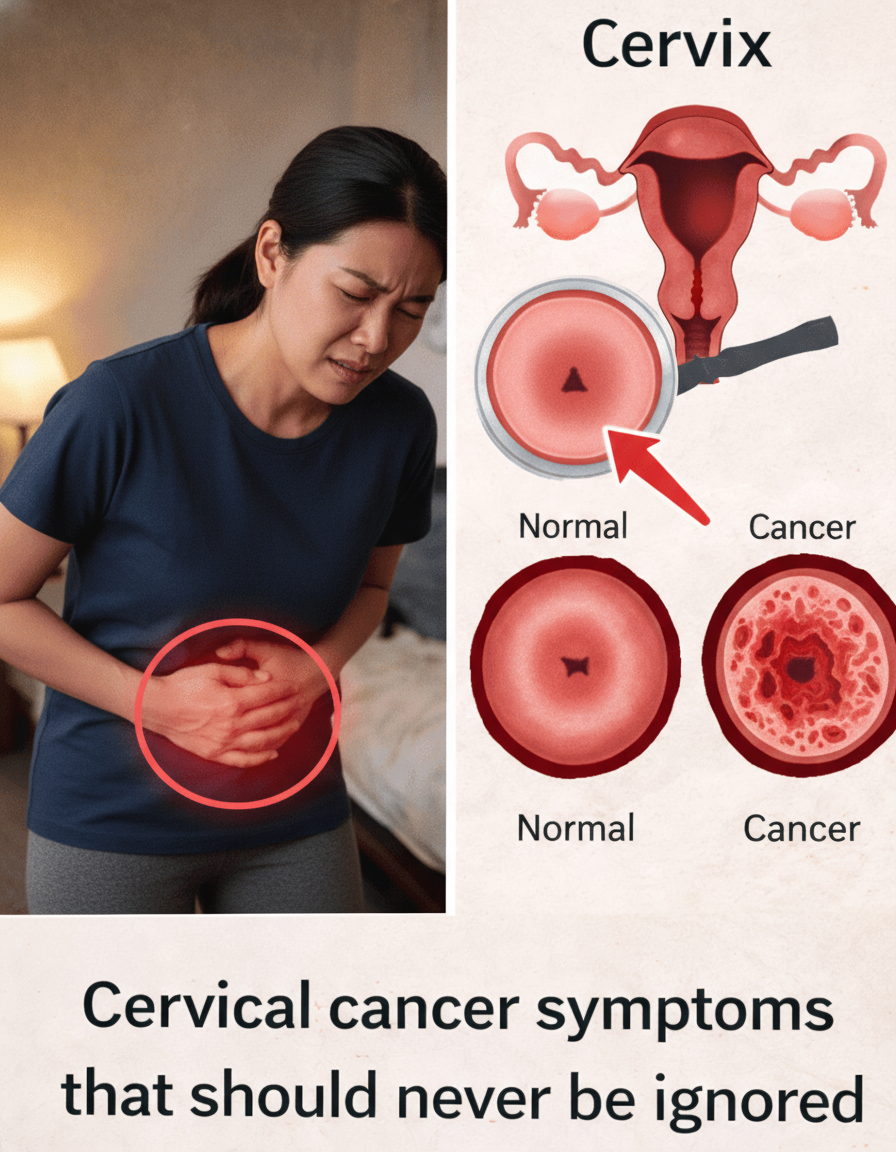
Experiencing new or worsening discomfort during or immediately after sexual activity can be an uncomfortable topic to discuss, but it is a symptom you should definitely share with your doctor. This pain might manifest as a pressure sensation or a sharp pain that was not present before.
Persistent Pelvic or Lower Back Pain
A persistent ache in your lower abdomen, pelvic region, or lower back—especially without a clear cause like an injury or strenuous activity—can sometimes indicate deeper health concerns, particularly when it occurs alongside other symptoms.
Beyond these common indicators, advanced cases of cervical cancer may present with more generalized symptoms:
- Unexplained fatigue or a noticeable loss of appetite.
- Unintentional weight loss without changes in diet or activity.
- Swelling in the legs, or changes in urinary or bowel habits (typically in later stages).
These broader systemic symptoms underscore the interconnectedness of our bodily functions. Ignoring a cluster of such signs could unfortunately delay critical diagnoses and interventions.
When to Seek Medical Advice Promptly
Always trust your instincts regarding your health. It is crucial to contact a healthcare provider without delay if:
- Any abnormal vaginal bleeding or discharge persists for more than two weeks.
- Pain during intimacy becomes a regular or increasingly problematic issue.
- You experience a persistent feeling of being ‘off’ or unwell in your pelvic area.
- Existing symptoms worsen, or new and concerning symptoms emerge.
Prompt discussions with a doctor often lead to simple diagnostic tests that can either provide peace of mind or identify issues when they are most manageable. Delaying medical attention rarely improves outcomes; acting swiftly does.
The Power of Proactive Screening and Prevention
The most effective defense against cervical cancer is routine screening before any symptoms even appear. Current guidelines from leading organizations like the American Cancer Society recommend:
- For ages 25–65: Primary HPV testing every 5 years (this is the preferred method), or co-testing (combining HPV and Pap tests) every 5 years, or a Pap test alone every 3 years.
Increasingly, self-collection HPV tests are becoming available, offering greater convenience for many women. These quick, in-office (or sometimes at-home) checks are designed to detect precancerous cell changes long before they have the chance to develop into full-blown cancer.
Furthermore, the significant advancement in cervical cancer prevention is the HPV vaccine. This vaccine dramatically lowers the risk of infection with the high-risk HPV strains responsible for the vast majority of cervical cancers, representing a powerful and proactive step in safeguarding women’s health.
By understanding the potential signs of cervical cancer and adhering to recommended screening schedules, every woman can play an active role in her own health and significantly improve the chances of early detection and successful treatment. Your vigilance is your greatest asset in the fight against cervical cancer.