 By admin
 Listen up, ladies! You’re hustling through life, probably not even clocking the sneaky little shifts your body might be trying to tell you about. Cervical cancer? It’s a silent threat, often creeping up with symptoms so easy to dismiss – “Oh, it’s just stress,” “Probably an infection,” “Hormones, right?” Wrong! Brushing these off lets this beast get a head start, digging in deeper than it ever should. But here’s the kicker, the real game-changer for your health: knowing the red flags and getting those regular check-ups. And get this – there’s ONE simple habit most women totally miss that could literally save your life by catching things early. Stick around, because we’re about to spill the beans on what it is and how to weave it into your daily grind.
What Is Cervical Cancer?
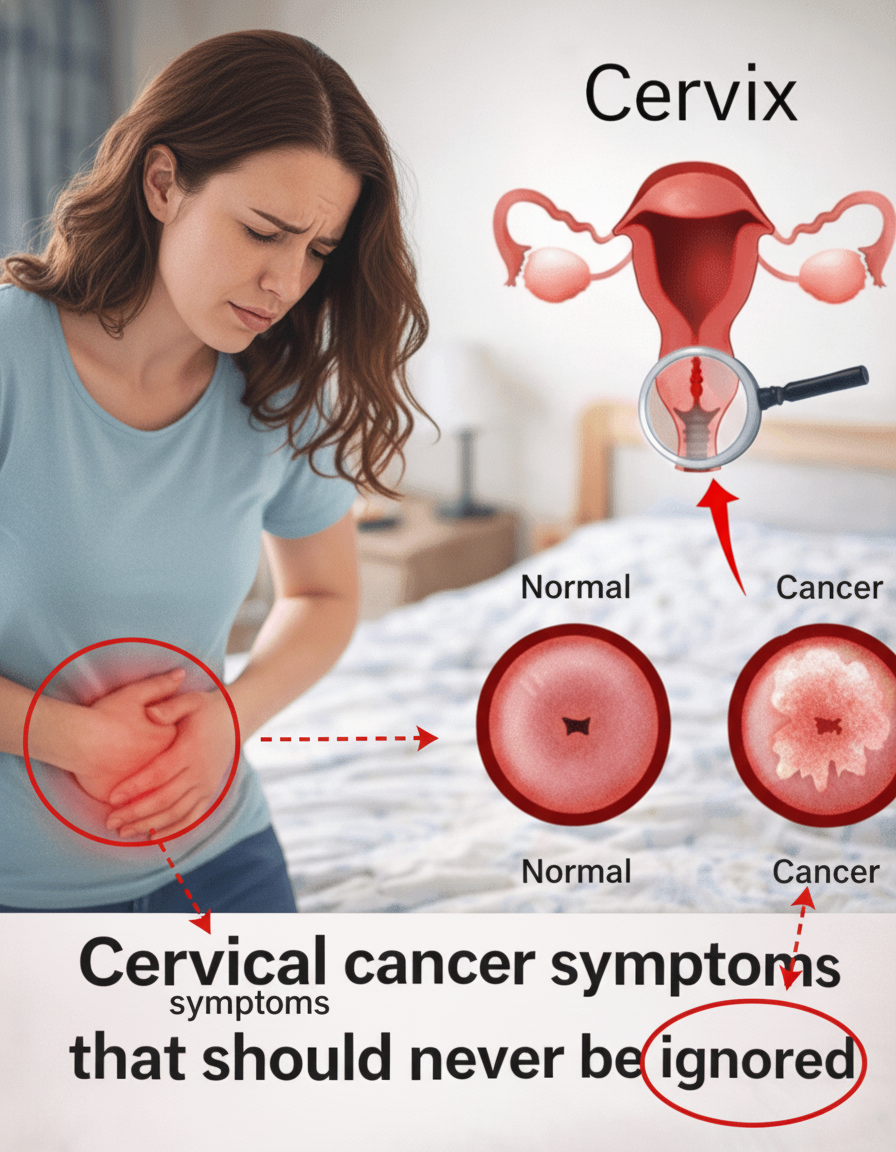
So, what’s the deal with cervical cancer? Picture this: it kicks off in the cells that line your cervix – that’s the lower end of your uterus, connecting straight to your vagina. This bad boy usually takes its sweet time, developing over years. And the main culprit? Persistent, high-risk human papillomavirus (HPV) – a super common virus you can pick up through intimate contact. Here’s the terrifying part: in the early days, you won’t feel a damn thing. Nada. That’s why symptoms often don’t scream for attention until it’s already advanced. Science doesn’t lie: long-term HPV infection is behind most cases. But don’t panic just yet – your amazing body usually fights off most HPV strains on its own within a couple of years. It’s the stubborn ones we gotta watch out for.
Why Early Awareness Matters
Look, we’ve got the tools to prevent this nightmare, but guess what? Too many women are still getting blindsided with advanced diagnoses. Why? Because those first whispers of symptoms are so darn subtle, so easy to confuse with ‘normal’ stuff. But listen up: every study out there screams the same message – tune into your body, act fast, and you’re stacking the odds in your favor. And that’s not even the whole story! Today’s screening tech? It’s sharper than ever, making it a breeze to stay ahead of the game. Here’s the real power move: mix your symptom smarts with those routine checks, and you’ve built yourself an impenetrable safety net. Seriously, it’s your ultimate defense.
Common Cervical Cancer Symptoms to Watch For
Alright, time to get down to brass tacks. If you spot ANY of these sneaky changes hanging around for more than a couple of weeks, or if they just feel ‘off’ for you, you need to beeline it to your doctor. No excuses. Yeah, sure, a lot of these can be nothing serious, but when it comes to your health, ‘nothing serious’ needs to be confirmed by a pro. Don’t play guessing games with your life.
Changes in Your Menstrual Cycle
Your period? It’s usually a predictable pain, right? So if it suddenly starts acting like a wild card, pay attention! We’re talking:
- Periods that are heavier or drag on forever, way past your usual.
- Annoying spotting or full-on bleeding when your period isn’t even due.
- And if you’re past menopause and suddenly seeing blood? That’s a five-alarm fire, no ifs, buts, or maybes.
Seriously, these shifts can be terrifying, but how many of us just shrug, “Oh, it’s just stress” or “Must be perimenopause acting up”? Stop making excuses.
Unusual Vaginal Discharge
Your discharge is usually your body’s little clean-up crew. But if it suddenly goes rogue, looking and smelling totally wrong, you need to notice. We’re talking:
- Discharge that’s watery, bloody, or has a weird color you’ve never seen.
- A smell so strong or foul, it makes you wrinkle your nose.
- And if there’s even a hint of blood outside your period? That’s a major red flag.
Yeah, yeah, yeast infections and bacterial imbalances are common culprits. But if these changes stick around, or just feel plain wrong, get your butt to a doctor. Period.
Bleeding After Intimate Activity
Here’s one that screams for attention: light bleeding or spotting right after you’ve been intimate. Even if it’s just a little bit, even if things were super gentle, and even if it’s the ONLY damn symptom you’ve got – don’t you dare ignore it. This is your body waving a serious flag.
Pain or Discomfort During Sex
Sex shouldn’t hurt. If you’re suddenly experiencing new pain, or if existing discomfort during intimacy gets worse – whether it’s a weird pressure, a sharp jab, or just an overall ‘this doesn’t feel right’ vibe – that’s not normal. And it’s definitely not something you can just ‘power through’.
Pelvic, Lower Back, or Abdominal Pain
Got a nagging ache in your pelvis, lower back, or bottom belly that just won’t quit? Especially if it’s showing up with other weird symptoms? This persistent pain can sometimes be your cervix trying to tell you something’s up. Don’t just pop a painkiller and forget it.
Other General Signs
When things get serious, and we’re talking advanced stages, some women might start noticing:
- You’re dog-tired all the time, or suddenly have zero appetite, and there’s no good reason for it.
- Weight dropping off you without even trying.
- Swollen legs or weird changes in how your bladder or bowels are working (though these are usually later, more serious signs).
These are big-deal symptoms, don’t ever write them off.
Here’s a quick comparison to help you reflect:
| Symptom | Common Causes | When to Pay Extra Attention |
|---|---|---|
| Abnormal bleeding | Hormones, polyps, infections | Lasts >2 weeks or after menopause |
| Unusual discharge | Infections, pH imbalance | With odor, blood, or persists |
| Pain during sex | Dryness, endometriosis | New onset or worsening |
| Pelvic pain | Ovulation, fibroids | Constant or with bleeding |
When Should You See a Doctor?
Seriously, don’t play hero. If these symptoms are sticking around, or just plain freaking you out, you need to book that appointment yesterday. Get yourself checked if:
- Any unusual bleeding or discharge is still happening after a few weeks.
- Pain is messing with your daily life or your sex life.
- You’ve just got that gut feeling – that ‘something isn’t right’ alarm bells ringing in your head.
A quick trip to the doc, and they can usually figure out what’s going on with some straightforward tests – often putting your mind at ease by quickly ruling out the scary stuff. It’s worth it, every single time.
How Cervical Cancer Is Usually Detected
Here’s the silver lining, the absolute best news: Most cases of cervical cancer can be detected early through routine screenings, giving you the best shot at successful treatment and a healthy future.
Stay vigilant, stay informed, and most importantly, stay proactive about your health. Your body is talking – are you listening? For more vital health insights and tips that cut through the noise, keep exploring dogpjs.com. Your well-being is our priority!