 By admin
 For generations, cassava has been the go-to grub, a daily lifesaver for millions of families across Africa, Asia, and Latin America. We’re talking cheap, filling, and packed with energy – the ultimate staple for countless meals. But hold up! Lately, doctors and nutrition experts have been quietly dropping bombs, raising serious red flags about what this common root vegetable *really* does inside your body when you don’t prep it right. No joke, the hidden compounds lurking in cassava can stir up some nasty trouble, from a mild tummy rumble to full-blown health nightmares if you keep ignoring the warnings. It’s got many regular eaters asking: Is my favorite side dish actually a ticking time bomb?
But here’s the reassuring part, the crucial secret most folks totally miss: With just a few simple, proven moves you can easily do at home, cassava transforms from a health hazard into a reliable, delicious friend. And listen up, because there’s one overlooked processing trick that experts are screaming about – it’s the absolute game-changer.
What Is Cassava and Why Is This Root So Popular Anyway?
Alright, let’s talk about this powerhouse root. Cassava, scientifically known as Manihot esculenta, is a starchy root vegetable that originally hailed from South America but now dominates tropical climates worldwide. Depending on where you hang your hat, you might hear it called yuca, manioc, tapioca root, or even mandioca. This bad boy is super versatile – boil it, fry it, mash it, or grind it into flour for killer breads, crispy chips, and even gluten-free desserts. And those chewy tapioca pearls in your favorite bubble tea or puddings? Yep, straight from cassava too.
Research proves it: In many developing regions, cassava provides up to half of the daily calories for entire communities because it grows like a weed, stores forever, and costs next to nothing. But here’s where the plot thickens, folks: The very same plant that feeds so many also carries natural compounds that demand serious respect and careful handling before they ever hit your plate.
Doctors Warn: Cassava Naturally Packs Toxic Compounds – No Kidding!
And that’s not even the half of it. Doctors are sounding the alarm, pointing out that raw or fresh cassava is loaded with cyanogenic glycosides. These aren’t just fancy words; they’re substances that can unleash small doses of *cyanide* when the root gets damaged, cut, or eaten uncooked. Sounds terrifying, right? Yet, millions happily munch on cassava every single day without a single problem. The secret, my friends, is all in the preparation. When you peel it, soak it, ferment it, dry it, or cook it thoroughly, these dangerous compounds break down and become completely harmless. Nutrition experts can’t stress this enough: The risk only pops up when you take shortcuts – like eating it raw or undercooked. Do it right, and this everyday root turns into a safe, energy-rich superfood.
Possible Health Effects Linked to Improper Cassava Consumption – Brace Yourself!
Now, this is the part that’s gonna shock most home cooks. When cassava isn’t prepped correctly, those sneaky leftover compounds can lead to some seriously noticeable effects, stuff researchers have been digging into for decades. This isn’t just hearsay; it’s real science.
1. Cyanide Exposure and Related Symptoms – Your Body’s Warning Signals!
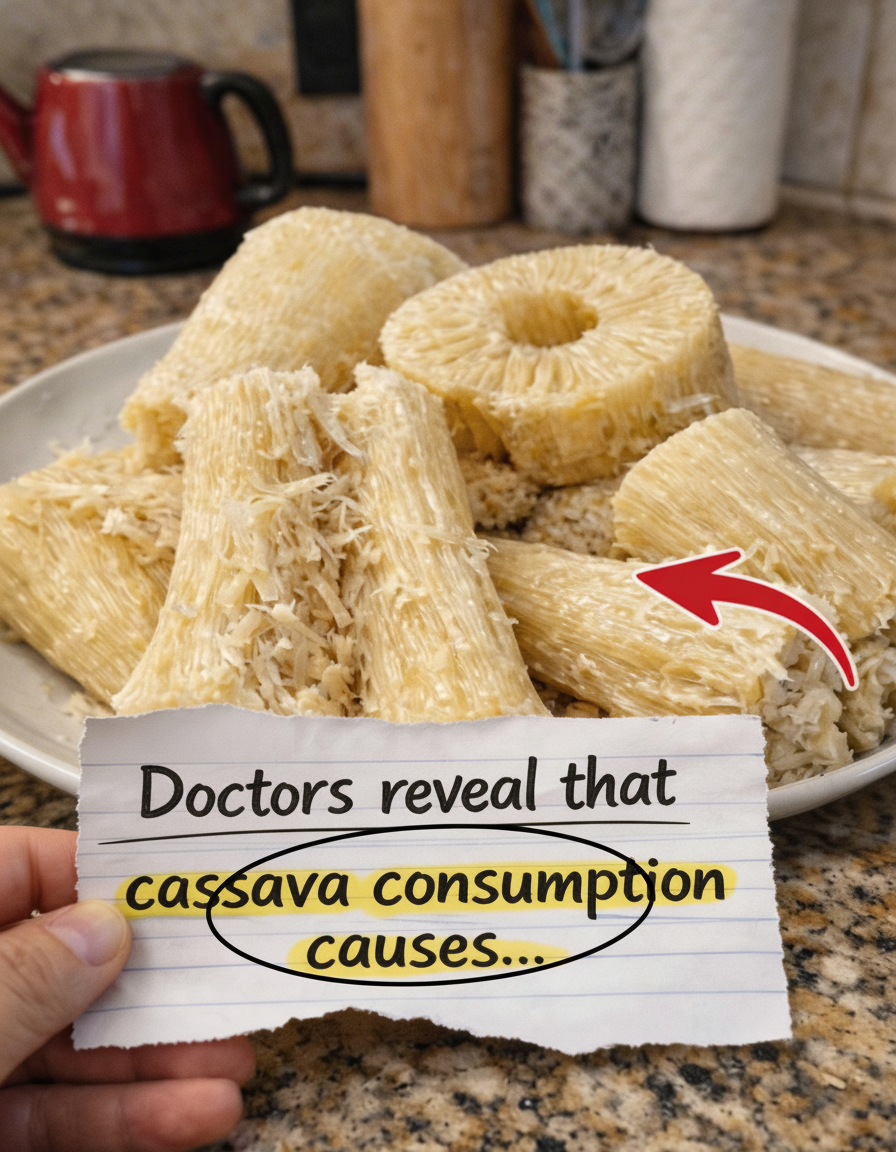
Straight up: Chowing down on raw or poorly processed cassava can expose your body to higher levels of cyanide. And trust me, your body will send you some clear red flags. Common signs include:
- Headaches
- Dizziness
- Nausea or vomiting
- Rapid breathing
- General weakness
These symptoms usually hit fast, acting as a screaming warning to STOP and cook that root properly next time! While severe cases are super rare in your average kitchen, medical literature has documented them when people consume massive amounts of under-processed cassava. So don’t play games with this, alright?
2. Thyroid Function Concerns – Don’t Mess With Your Gland!
Here’s another area where doctors are keeping a close eye: your thyroid gland. Certain compounds in cassava can actually interfere with how your body uses iodine, which is an absolutely essential mineral for a healthy thyroid. Studies in regions where cassava is a main staple and iodine intake is already low have directly linked heavy consumption of under-processed cassava to a higher risk of goiter – that’s when your thyroid gland swells up. The good news, though? Thorough cooking dramatically slashes this interference, and adding iodine-rich foods like seafood or fortified salt helps keep everything perfectly balanced. Easy fix!
3. Neurological Effects in Rare Situations – The Worst-Case Scenario
Now, let’s talk about the extreme. In dire conditions of food scarcity and severe malnutrition, long-term reliance on poorly processed cassava has been tragically associated with a condition called konzo. This nasty neurological issue pops up in very specific tropical areas where diets are seriously lacking in variety and protein. But here’s the crucial takeaway, experts stress: Konzo is practically unheard of in balanced diets where cassava is just one ingredient among many. For most families cooking normal portions at home, this risk remains incredibly, incredibly low. So, no need to panic if you’re eating a varied diet.
The Good News: Cassava Brings Real Nutritional Benefits When Done Right – It’s Not All Bad!
Despite all these warnings and cautions, don’t write cassava off just yet! This root still absolutely earns its spot on your plate for some very, very good reasons. Research shines a spotlight on several awesome advantages that make it totally worth keeping in your rotation: It provides quick, sustained energy thanks to its high carbohydrate content.
Thanks for diving deep into the truth about cassava with us! We hope this no-nonsense guide helps you enjoy your favorite root safely and smartly. For more essential healthy living tips and expert insights, be sure to explore other articles right here on dogpjs.com!