 By admin
 Discovering a small reddish-brown insect on a garden leaf can instantly raise alarms, leading many to suspect a bedbug invasion in their outdoor space. This common apprehension often prompts individuals to reach for salt as a quick solution. However, this misguided approach frequently leads to avoidable damage to plants and soil, without actually resolving the underlying pest issue. The anxiety can mount as you envision pests proliferating while your precious garden suffers from ineffective remedies. But there’s a more intelligent and sustainable way to manage these concerns – continue reading to uncover a straightforward identification technique that could safeguard your yard, a crucial tip we’ll reveal towards the end.
Do True Bedbugs Really Thrive in Outdoor Environments?
The surprising truth is that actual bedbugs (Cimex lectularius) seldom survive or establish populations outdoors. Research from leading entomology experts, including those affiliated with the University of Kentucky’s extension service, consistently indicates that bedbugs strongly prefer stable indoor environments. These pests thrive in consistent temperatures and require frequent, easy access to human or animal hosts. Outdoors, harsh environmental factors such as direct sunlight, fluctuating temperatures, and unpredictable weather conditions create an inhospitable habitat, making it incredibly difficult for them to survive and reproduce. What you’re likely encountering are common outdoor lookalikes, such as harmless boxelder bugs or various species of stink bugs. Misidentifying these insects can unfortunately lead to ineffective or even detrimental pest control choices. But there’s more to understand before panic sets in.
The Risks of Misidentifying Garden Pests
A natural fear of pests can often drive gardeners toward drastic, ill-advised actions, like indiscriminately scattering salt across their property. Such measures not only fail to address the actual insect problem but can also severely disrupt the delicate ecological balance of your garden. Studies from reputable agricultural extension programs, like those at Purdue University, underscore the significant harm caused by incorrect pest identification. Crucial beneficial insects, including natural predators that help keep pest populations in check, can be unnecessarily eliminated. Here’s a critical insight: a simple, careful examination can change everything. Take a close-up photograph of the suspected pest and observe its distinctive shape and movement. If it turns out not to be a bedbug, you’ve already made a significant step towards effective pest management.
Why the Salt Remedy Fails for Most Garden Pests
While salt can effectively dehydrate soft-bodied creatures like slugs and snails, its impact on insects with protective exoskeletons, such as bedbugs or their common lookalikes, is minimal at best. Simply sprinkling salt rarely affects these pests directly, especially when applied to moist garden soil where it quickly dissolves or becomes diluted. Far worse, excessive salt application drastically increases soil salinity. Research from organizations like the USDA clearly demonstrates that elevated soil salinity can burn plant roots, hinder essential nutrient uptake, and ultimately lead to plant wilting, even when adequate water is provided. The unfortunate reality is that salt remains largely ineffective against the target pests, which often hide in sheltered cracks and crevices, while simultaneously damaging your valuable garden ecosystem. Fortunately, more effective and garden-friendly alternatives exist.
Smarter, Eco-Friendly Alternatives for Outdoor Pest Management
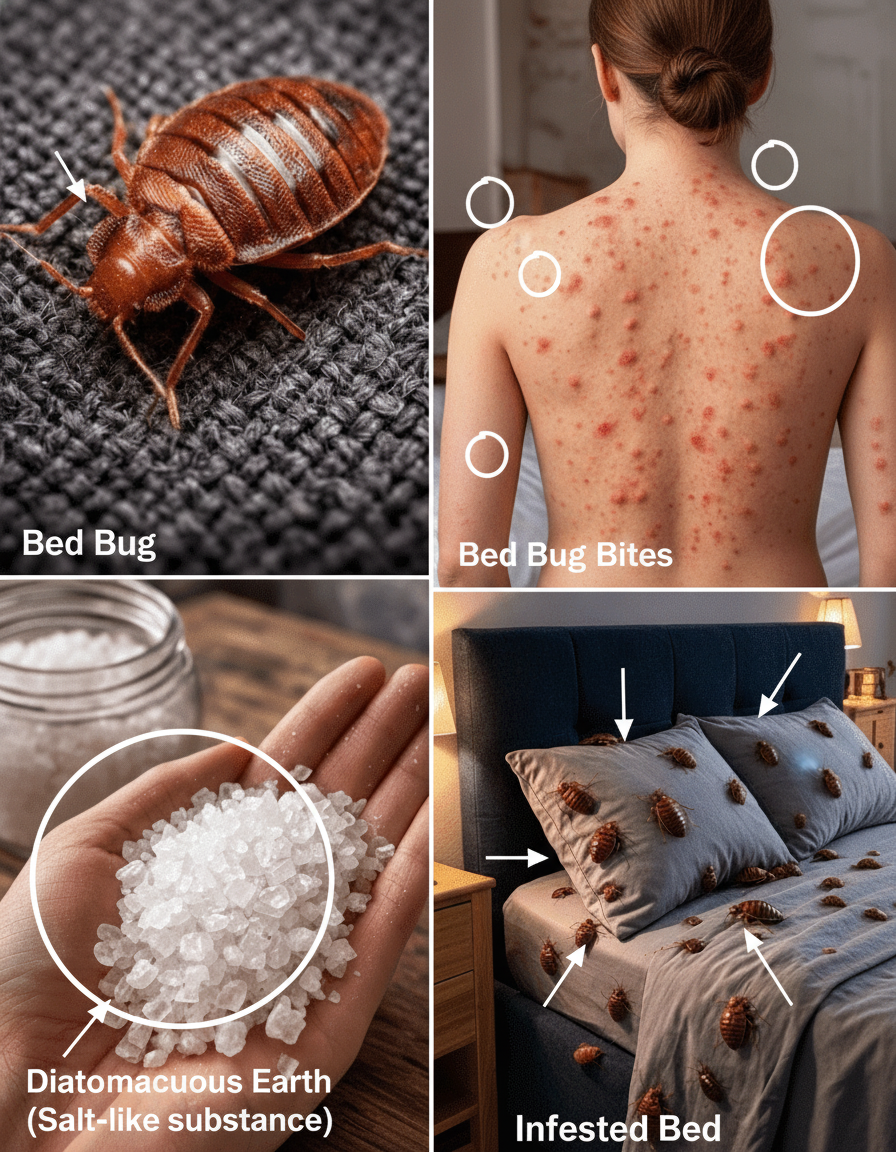
Instead of resorting to salt, consider safer and more effective solutions for outdoor pest control. Diatomaceous earth (DE), a natural, fine powder, works by scratching the waxy outer layer of insects, leading to their gradual dehydration. For best results, apply food-grade DE sparingly and specifically in dry areas where pests are active, as recommended by expert gardening resources like the Royal Horticultural Society. When used judiciously, DE is generally safe around plants. Beyond DE, heat treatments offer another powerful non-chemical option. For items like outdoor cushions or small furniture, sealing them in black plastic bags and placing them in direct sunlight can raise internal temperatures to lethal levels for many pests. Extension services from institutions like Cornell University endorse this method for effective, residue-free pest control. Moreover, mechanical and preventative methods offer even greater long-term control.
Practical Steps for Identifying and Managing Garden Lookalikes
Effective pest management begins with careful observation. Start by taking clear, detailed photographs of the insect and then compare them against reliable online identification guides from trusted sources such as BugGuide.net. Pay attention to the insect’s location – is it on leaves, outdoor furniture, or directly in the soil? This critical detail can guide your response. Here’s a quick checklist to help distinguish true bedbugs from other garden insects:
- Check for wings or flying ability: True bedbugs are wingless and cannot fly.
- Observe body shape: Bedbugs have a distinctive flat, oval body, unlike many elongated outdoor insects.
- Look for bites on humans: While some outdoor pests might bite, true bedbug bites are typically associated with indoor infestations.
These simple steps can significantly boost your confidence in pest identification, and best of all, they are free and fast. For treatment of confirmed outdoor pests or lookalikes, consider thoroughly vacuuming seams and cracks in outdoor furniture or structures. Immediately seal the vacuum bag and dispose of it to prevent any escape. Complement this by caulking gaps in sheds or furniture to eliminate hiding spots. Remember, prevention is often your most potent tool in maintaining a healthy, pest-free garden.
The Benefits of Avoiding Salt in Your Garden Routine
Opting out of salt use in your garden provides numerous advantages, primarily preventing plant stress caused by salinity buildup. Your beloved tomatoes, herbs, and other plants will remain vibrant and healthy. Furthermore, you protect crucial soil microbes, which are indispensable for vigorous plant growth, a fact highlighted by soil science studies from organizations like the Soil Science Society of America. Beyond these ecological benefits, adopting targeted pest control methods saves both time and money in the long run. Here’s a summary of the key advantages:
- Healthier plant roots, free from burn risks.
- Focused pest control, addressing the source rather than superficial issues.
- Preservation of beneficial pollinators and natural predators.
- Reliable pest management results, regardless of varying weather conditions.
- Easier and safer handling of outdoor garden items.
- Significantly reduced frequency of repeat pest infestations.
- Access to effective, chemical-free options for enhanced safety.
- Development of superior, informed pest management habits.
- Establishment of a sustainable, lifelong garden pest control system.
These benefits quickly accumulate, reinforcing the value of choosing smart, science-backed garden strategies over outdated myths. When comparing salt to proven garden strategies, the choice becomes clear: prioritize your garden’s long-term health and vitality.