 By admin
 Debunking the Myth: Why Salt is a Harmful ‘Remedy’ for Outdoor Garden Pests
Spotting a small, reddish-brown insect on a garden leaf can instantly trigger alarm, making you suspect a bedbug invasion in your outdoor sanctuary. This common apprehension often prompts a quick grab for salt as an immediate solution. However, this knee-jerk reaction frequently leads to unnecessary harm to your plants and soil, without ever addressing the actual pest problem. The anxiety can mount as you envision pests multiplying while your cherished garden suffers from misguided treatments. But there’s a far more effective and safer approach to pest management—continue reading to uncover a simple identification strategy that could safeguard your yard, revealed later in this guide.
Do Bedbugs Truly Survive and Thrive in Outdoor Gardens?
The uncomfortable reality is that genuine bedbugs (Cimex lectularius) rarely survive or establish populations outdoors. Extensive research from entomology experts, such as those at the University of Kentucky’s extension service, consistently shows that bedbugs prefer stable indoor environments. These pests thrive in consistent temperatures and require easy, frequent access to human hosts. Outside, fluctuating weather conditions, direct sunlight, and exposure to predators make it incredibly challenging for them to persist. What you’re likely observing are common garden lookalikes, such as boxelder bugs or stink bugs. Misidentifying these insects can lead to poor decision-making and ineffective pest control. Let’s delve deeper into why panic often takes hold.
The Risks Associated with Misidentifying Outdoor Pests
Fear can often drive gardeners toward drastic measures, like indiscriminately scattering salt across their outdoor spaces. This approach not only fails to target the correct insect but can severely disrupt your garden’s delicate ecological balance. Studies from reputable agricultural extensions, including Purdue University, emphasize how incorrect pest identification can inadvertently harm beneficial insects. Natural predators, which play a crucial role in naturally controlling pest populations, can be wiped out unnecessarily. Here’s a critical insight: a quick, careful inspection can change everything. Take a close-up photo of the insect—pay attention to its shape, color, and movement. If it doesn’t match a true bedbug, you’re already one step closer to a correct and effective solution.
Why the Salt Remedy Fails for Garden Pests
While salt can effectively dehydrate soft-bodied creatures like slugs and snails, bedbug-like insects possess robust, protective exoskeletons. Simply sprinkling salt rarely has any direct impact on these pests, especially in the typically moist conditions of garden soil. Furthermore, and more critically, excessive salt application significantly increases soil salinity. Research from the USDA highlights that elevated soil salinity can burn plant roots, impede essential nutrient uptake, and ultimately lead to wilting, even when plants receive adequate water. The harsh reality is that salt remains ineffective against the target pests while simultaneously causing profound damage to your garden’s ecosystem. Fortunately, more effective and garden-friendly alternatives exist.
Smarter Alternatives to Salt for Outdoor Pest Management
Instead of resorting to salt, consider diatomaceous earth (DE). This natural, finely ground powder works by scratching the waxy exteriors of insects, leading to their gradual dehydration. Apply it sparingly and strategically in dry areas where pests are observed, as recommended by gardening resources like the Royal Horticultural Society. Food-grade DE is generally safe around plants when used in a targeted manner. Now, imagine combining this with another powerful method: heat treatment.
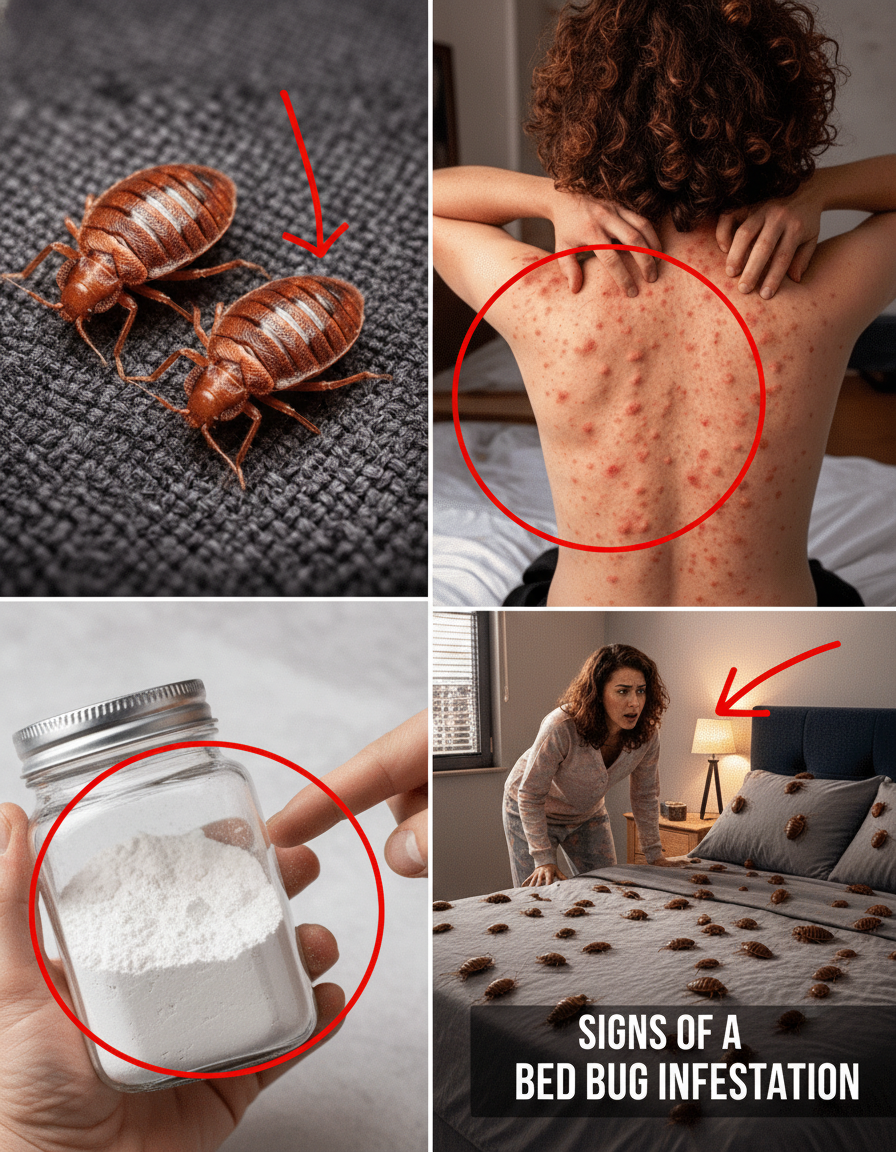
Heat treatments are highly effective for items like garden cushions, furniture covers, or small potted plants. Bag these items in black plastic and place them under direct sunlight. The internal temperatures can quickly reach levels that pests cannot survive. Extension services from Cornell University endorse this method for non-chemical pest control. This approach leaves no harmful residues, only effective results. But wait, mechanical methods offer even more precise control.
Practical Steps to Identify and Manage Garden Lookalikes
Begin with careful observation. Take clear photographs of the suspected pest and compare them against reliable online guides from sources like BugGuide.net. Note the specific locations where you find them: are they on leaves, garden furniture, or in the soil? This information will guide your response. Here’s a quick checklist to help with identification:
- Check for wings or flying ability: True bedbugs do not fly.
- Observe body shape: Is it a flat oval (typical of bedbugs) or elongated (common for many outdoor pests)?
- Look for bites on humans: Outdoor pests rarely cause the characteristic bites associated with indoor bedbugs.
These simple steps build confidence in your identification. And the best part? They are free and fast! For treatment, thoroughly vacuum seams and cracks in outdoor furniture or structures. Immediately seal the vacuum bag and dispose of it to prevent any escapes. Pair this with caulking any gaps or crevices in sheds, benches, or other garden elements. Prevention, through diligent observation and sealing, becomes your strongest tool in integrated pest management.
Benefits of Adopting a Salt-Free Garden Routine
Avoiding salt in your garden routine offers a multitude of benefits, primarily preventing plant stress from salinity buildup. Your tomatoes, herbs, and ornamental plants will remain vibrant and healthy. You also protect vital soil microbes, which are essential for nutrient cycling and overall soil health, as consistently highlighted in soil science studies from the Soil Science Society of America. Moreover, targeted pest management methods save both time and money in the long run. Here’s a summary of the advantages:
- Healthier roots without the risk of salt burn.
- Focused pest control addressing the source, not just surface symptoms.
- Preservation of beneficial pollinators and natural predators.
- Reliable results, regardless of varying weather conditions.
- Easier and safer handling of outdoor items and plants.
- Significantly reduced potential for repeat infestations.
- Chemical-free options ensuring safety for your family and pets.
- Development of better, more informed pest management habits.
- A sustainable, lifelong approach to garden health.
These benefits quickly add up, transforming your garden into a thriving, resilient ecosystem. Now, let’s compare traditional salt use to proven garden strategies.
Comparing Salt to Proven Garden Strategies
| Option | How It Works | Best For | Biggest Downside | Effectiveness Against Outdoor Pests |
|---|---|---|---|---|
| Table Salt | Raises soil salinity, may dehydrate soft-bodied pests like slugs. | Rarely effective for insects with exoskeletons; can harm slugs. | Severe damage to soil health and plant roots, ineffective against most insects. | Very Low |
| Diatomaceous Earth (DE) | Abrasive powder scratches insect exoskeletons, leading to dehydration. | Crawling insects with exoskeletons (e.g., ants, beetles, some larvae) in dry areas. | Less effective when wet; can harm beneficial insects if applied broadly. | Moderate to High (targeted) |
| Heat Treatment | High temperatures kill pests and their eggs by denaturing proteins. | Infested items like cushions, small tools, or bagged plants placed in direct sun. | Not suitable for large garden areas or living plants directly in the ground. | High (for specific items) |
| Mechanical Removal/Exclusion | Physical removal (vacuuming, hand-picking) or sealing entry points. | Visible pests, cracks/crevices in furniture/structures. | Requires diligence and specific tools; may be time-consuming for large infestations. | High (for accessible pests/areas) |
| Proper Identification | Understanding the specific pest allows for targeted, effective treatment. | All pest scenarios; foundational for any successful pest management. | Requires observation and access to reliable information. | Essential (enables all other effective strategies) |