 By admin
 Decoding Fatty Liver Disease: 8 Subtle Signs Your Body Might Be Sending
In our fast-paced lives, it’s easy to dismiss minor changes in our body as mere consequences of stress or aging. Yet, these seemingly insignificant shifts – a persistent dip in energy, unexpected skin alterations, or general discomfort – can sometimes be vital messages from within. They might signal a silent, widespread condition: fatty liver disease, where excess fat accumulates in the liver. This condition affects millions globally, often without obvious symptoms until it progresses. The good news is that recognizing these potential indicators early empowers you to take proactive steps towards better health and well-being. Understanding your body’s signals is the first crucial step in safeguarding your liver health.
Why Understanding Liver Fat Accumulation is Crucial for Modern Health
Once primarily linked to alcohol abuse, fatty liver disease is now predominantly recognized as Metabolic Dysfunction-Associated Steatotic Liver Disease (MASLD). This condition has emerged as a significant global health challenge, largely driven by contemporary lifestyles characterized by imbalanced diets and insufficient physical activity. According to leading health organizations, a substantial portion of the adult population, potentially up to 40% in some regions, lives with MASLD, often undiagnosed.
At its core, MASLD involves the excessive buildup of fat within liver cells, which can gradually impair this vital organ’s ability to perform its numerous functions, from detoxification to metabolism. Furthermore, scientific studies consistently highlight strong correlations between MASLD and other metabolic issues, including insulin resistance, central obesity, and dietary patterns high in processed foods and refined sugars. A sedentary lifestyle exacerbates these risks, making MASLD a growing concern for many individuals navigating the demands of modern living.
The critical takeaway here is the profound impact of daily choices on liver health. While MASLD can silently progress, potentially leading to more severe liver complications if left unaddressed, recognizing its early indicators provides a powerful opportunity. This awareness enables proactive engagement with healthcare professionals and facilitates timely lifestyle modifications, laying the groundwork for improved liver function and overall well-being.
8 Potential Indicators of Fatty Liver Disease You Should Be Aware Of
Identifying the early manifestations of liver fat accumulation can be challenging, as its symptoms frequently overlap with those of other common health conditions. However, paying close attention to your body can reveal subtle cues. Here, we delve into eight potential warning signs that clinical observations and extensive research have linked to fatty liver disease:
1. Persistent and Unexplained Fatigue
Feeling perpetually exhausted, even after adequate rest, is a frequently cited symptom. The liver plays a central role in energy production and metabolism, so impaired liver function due to fat buildup can significantly disrupt these processes, leading to profound tiredness that lingers throughout the day. Consistent energy slumps, particularly in the afternoon, warrant attention.
2. Small, Spider-Like Blood Vessels on the Skin (Spider Angiomas)
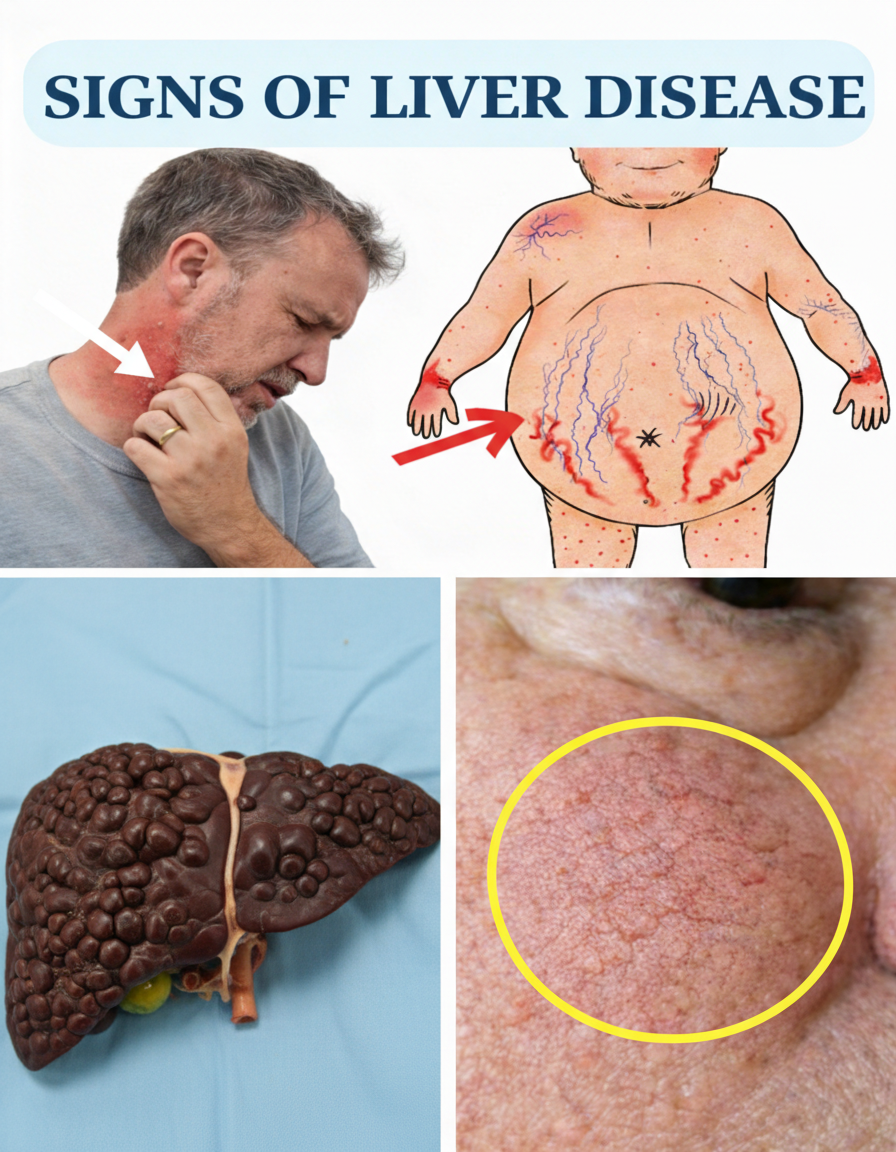
The appearance of delicate, red or purple web-like patterns, medically termed spider angiomas, on areas like the face, chest, or arms, can be an indicator. These are caused by alterations in blood vessel behavior, often associated with compromised liver function. While frequently overlooked as minor cosmetic blemishes, their presence can subtly hint at underlying systemic changes related to liver health.
3. Reddened or Unusually Warm Palms (Palmar Erythema)
If your palms appear distinctly flushed or feel noticeably warmer than the rest of your skin, this phenomenon is known as palmar erythema. It typically arises from hormonal imbalances and vascular changes that are often observed in individuals with liver conditions, suggesting a potential impact on circulation and endocrine regulation.
4. Persistent Abdominal Bloating or Discomfort
Experiencing unexplained swelling or a feeling of fullness in the abdominal region, particularly if it tends to intensify by the end of the day, could be a sign of fluid retention (ascites). While often associated with more advanced stages of liver disease, this symptom can emerge as liver function declines due to significant fat accumulation. It’s crucial to differentiate this from mere overeating; consistent patterns of bloating warrant medical evaluation.
5. Visibly Enlarged Veins on the Abdomen
The appearance of noticeably enlarged or distended veins across the surface of the abdomen is a more advanced indicator. This occurs when normal blood flow through the liver is impeded, forcing blood to reroute through alternative vessels. Such prominent veins are often a sign of portal hypertension, a complication that can develop in more progressed stages of liver conditions.
6. Unexplained, Persistent Itchy Skin (Pruritus)
Chronic itching, especially when concentrated on the palms, soles of the feet, or spread across the body without an apparent dermatological cause, can be a significant red flag. This pruritus often results from the accumulation of bile salts or other waste products that a compromised liver struggles to process and eliminate effectively. If the itching is severe enough to disturb sleep or daily routines, it strongly suggests the need for medical inquiry.
7. Dull Ache or Discomfort in the Upper Right Abdomen or Back
A persistent, dull ache or sensation of tightness located beneath the right rib cage, or even referred pain between the shoulder blades, can directly stem from an inflamed or enlarged liver. Given the liver’s anatomical position, any swelling or inflammation can cause pressure on its protective capsule, leading to localized discomfort that should not be ignored.
8. Darkening and Thickening of Skin in Specific Areas (Acanthosis Nigricans)
The development of dark, velvety patches of skin, particularly in folds like the neck, armpits, or groin, is known as acanthosis nigricans. This skin condition is a strong indicator of underlying insulin resistance, a metabolic dysfunction that is a primary driver and closely linked to the development and progression of fatty liver disease. Its presence should prompt immediate medical attention for metabolic screening.
To break it down visually, here’s a quick comparison table of these signs based on their characteristics and typical appearance:
| Sign Number | Description | Common Trigger | When to Notice |
|---|---|---|---|
| 1 | Persistent and Unexplained Fatigue | Impaired liver energy metabolism | Consistent afternoon dips, even after adequate rest |
| 2 | Small, Spider-Like Blood Vessels (Spider Angiomas) | Altered blood vessel function (often hormonal) | Appearance on face, chest, arms; often dismissed as cosmetic |
| 3 | Reddened or Unusually Warm Palms (Palmar Erythema) | Hormonal and vascular changes | Palms appear distinctly flushed and feel warmer than usual |
| 4 | Persistent Abdominal Bloating or Discomfort | Fluid retention (ascites) | Worsens by evening; not necessarily linked to overeating |
| 5 | Visibly Enlarged Veins on the Abdomen | Impeded blood flow through the liver | More noticeable in progressing cases, across stomach surface |
| 6 | Unexplained, Persistent Itchy Skin (Pruritus) | Buildup of bile salts or waste products | Palms, soles, or widespread; severe enough to disrupt daily life |
| 7 | Dull Ache in Upper Right Abdomen or Back | Liver inflammation or enlargement | Under right ribs or referred pain between shoulder blades |
| 8 | Darkening and Thickening of Skin (Acanthosis Nigricans) | Underlying insulin resistance | Dark, velvety patches in neck, armpits, or groin folds |
Recognizing these potential warning signs is the first step towards proactive health management. While none of these symptoms alone definitively diagnose fatty liver disease, their presence warrants a conversation with your healthcare provider. Early detection, coupled with informed lifestyle changes, can significantly impact the trajectory of liver health and improve overall well-being. Prioritize your liver – it’s a vital organ that works tirelessly for you.