 By admin
 Decoding Gray Hair: Natural Approaches and the Potential of Activated Charcoal
The appearance of gray hair is a natural marker of life’s progression, a phenomenon where the hair follicles gradually produce less melanin—the crucial pigment dictating hair color. While an inherent part of the aging process, its onset can be influenced by a complex interplay of factors, including genetic predispositions, levels of oxidative stress, and nutritional status. Many individuals traditionally opt for chemical hair dyes to conceal gray strands, yet a growing segment of the population is actively seeking gentler, more natural alternatives due to concerns about synthetic ingredients.
Amidst this search, activated charcoal, a substance celebrated for its exceptional adsorbent capabilities in everything from skincare to detoxification, has emerged as an intriguing ingredient within the realm of natural hair care. While scientific studies primarily underscore its efficacy in clarifying oily scalps by absorbing excess oils and impurities, anecdotal evidence and user testimonials point to its potential for imparting a subtle, temporary darkening effect on lighter or graying strands, thanks to its profound black pigment. It’s vital to set realistic expectations: activated charcoal is not a permanent solution for gray hair reversal or coloring. However, it offers a unique, low-commitment avenue for those looking to explore a temporary enhancement, with results varying significantly based on individual hair type, porosity, and application technique.
Why Activated Charcoal is Gaining Popularity in Hair Care
The unique appeal of activated charcoal for hair stems primarily from its highly porous structure, which acts like a magnet, effectively adsorbing and trapping impurities. When incorporated into hair care regimens, these properties translate into several compelling advantages:
- Deep Cleansing: It excels at removing product buildup from styling agents, mineral deposits from hard water, and environmental pollutants that can weigh hair down.
- Oil Regulation: For those struggling with an oily scalp, activated charcoal can help reduce excess sebum, leading to a feeling of freshness and lightness without stripping natural oils excessively.
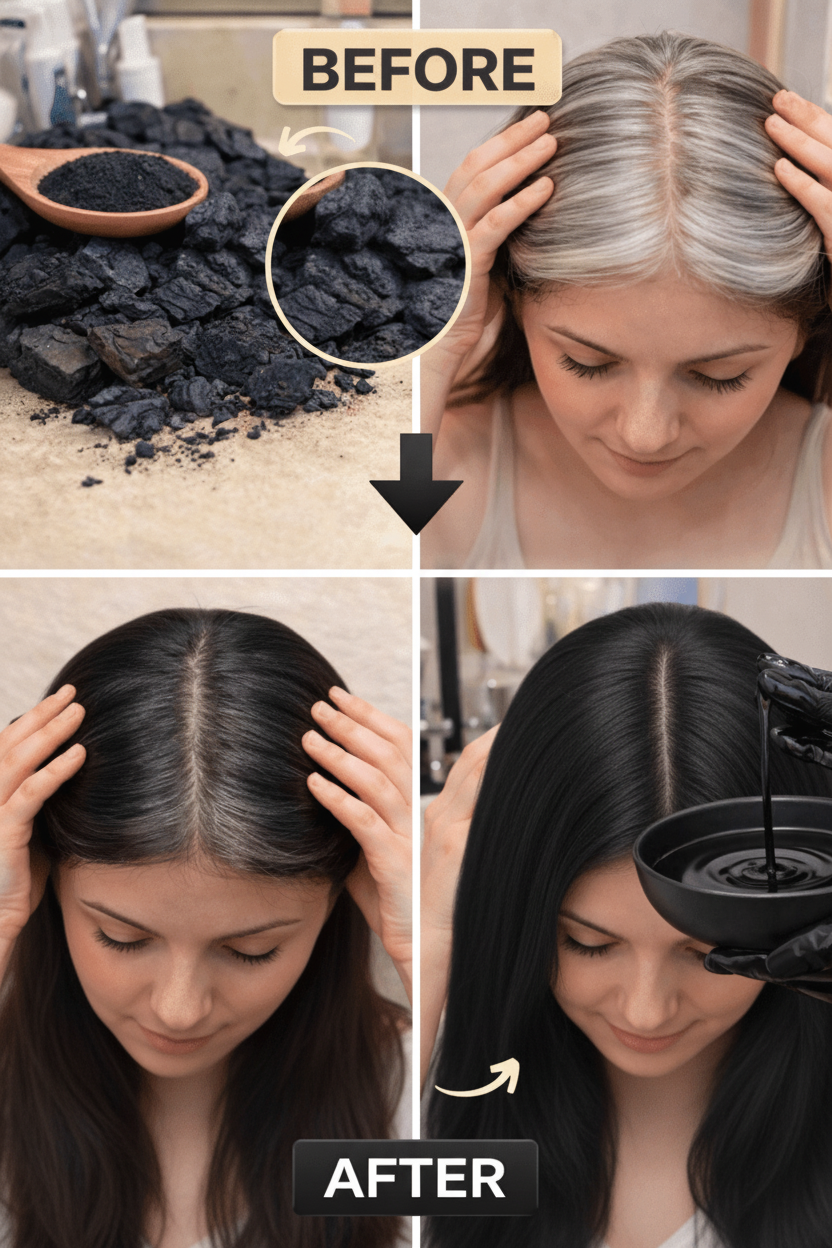
- Subtle Color Enhancement: Its deep black pigment can deposit a temporary, soft, ashy-dark hue on lighter or gray strands, offering a gentle way to blend gray hair without commitment.
A significant differentiator from conventional hair dyes is its gentle nature; activated charcoal gradually rinses out and bypasses the use of harsh chemicals often found in permanent coloring solutions. Many users find success by blending it with nourishing conditioners or natural oils to facilitate smoother application and provide additional moisture. Furthermore, its derivation from natural sources resonates strongly with individuals committed to clean beauty routines and seeking holistic hair solutions.
Potential Hair Benefits and Managing Expectations
It’s crucial to understand that while activated charcoal offers several aesthetic advantages, it does not possess the ability to reverse the natural graying process of hair—a biological reality for which no food or topical treatment currently provides a scientifically proven reversal. However, it can significantly contribute to an enhanced overall hair appearance through these mechanisms:
- Ephemeral Color Enhancement: The finely milled black powder can gently adhere to porous or graying strands, imparting a temporary darkening effect that helps create a softer, more integrated look rather than a stark contrast.
- Optimized Scalp Health: Its remarkable adsorptive qualities are highly effective in drawing out impurities, excess sebum, and environmental debris from the scalp, fostering a cleaner, healthier ecosystem conducive to hair growth and vitality.
- Enhanced Volume and Luster: By meticulously removing accumulated product residue and pollutants, activated charcoal leaves hair feeling lighter, cleaner, and often results in a noticeable boost in natural hair volume and a healthy sheen.
It’s important to temper expectations regarding longevity; these effects are typically transient, generally lasting only a few washes. Furthermore, individuals with naturally darker hair may observe less pronounced changes compared to those with lighter hair or a higher percentage of gray strands, where the subtle darkening will be more apparent.
DIY Activated Charcoal Hair Mask: A Step-by-Step Guide
Inspired to try this natural approach? Here’s a straightforward, beginner-friendly guide to creating an activated charcoal hair mask using readily available ingredients. Remember to always perform a patch test on a small skin area 24 hours prior to full application to check for any sensitivities.
1. Gather Your Essentials
- 2-3 tablespoons of high-quality, food-grade activated charcoal powder.
- 1/4 cup of plain yogurt or your preferred hair conditioner (this acts as the binding agent).
- 1 tablespoon of coconut oil (to impart essential moisture and ease application).
- (Optional) A teaspoon of honey for additional nourishing benefits.
2. Prepare the Mixture
In a non-metallic bowl, thoroughly combine all ingredients until a smooth, consistent paste is achieved. If the consistency is too thick, gradually add more conditioner until it reaches a spreadable texture.
3. Application Technique
On damp, freshly shampooed hair, carefully section your hair. Using gloves to prevent staining, evenly distribute the mask, paying particular attention to areas with graying strands or roots.
4. Allow to Process
Cover your hair with a shower cap to create a warm environment, which can enhance absorption. Let the mask sit for 20 to 45 minutes; a longer duration may result in a more noticeable, albeit temporary, tint.
5. Rinse and Condition
Rinse your hair thoroughly with cool water until the water runs clear, then follow with a mild, sulfate-free shampoo. Conclude with your regular conditioner to lock in moisture and ensure hair remains hydrated. For best results and sustained effects, repeat this treatment weekly or as needed.
Consistency is key; the subtle color and conditioning benefits tend to accumulate with successive applications.
Maximizing Results and Ensuring Safety with Activated Charcoal
To ensure a positive experience and achieve the best possible outcomes when using activated charcoal for hair, consider these essential tips and safety precautions:
- Source Quality Charcoal: Always opt for pharmaceutical or food-grade activated charcoal. Industrial or grill charcoal varieties often contain harmful additives and are not safe for cosmetic use.
- Protect Your Surroundings: Activated charcoal powder is highly pigmented and can easily stain skin, towels, and clothing. Wear old clothes, use gloves, and protect surfaces during application.
- Prioritize Hydration: Due to its powerful adsorptive properties, charcoal can sometimes be drying. Counteract this by always following your mask with a deeply hydrating conditioner or a leave-in moisturizing treatment.
- Assess Hair Condition: If your hair is already excessively dry, brittle, or significantly damaged, exercise caution or avoid activated charcoal treatments, as it might inadvertently exacerbate existing texture issues.
- Holistic Hair Health: Remember that external treatments work best in conjunction with internal wellness. Support vibrant hair health by adopting a balanced diet rich in essential nutrients like antioxidants, biotin, and vital minerals.
Exploring Natural Alternatives for Hair Enhancement
Beyond activated charcoal, several other natural ingredients offer gentle ways to enhance hair color and health. Here’s a brief comparison to help you choose based on your desired outcome:
- Activated Charcoal: Provides a temporary, subtle dark tint and excellent scalp clarifying benefits. It’s cost-effective and washes out gradually, making it a low-commitment option.
- Coffee Rinse: Can impart mild brown tones, particularly on lighter hair. The caffeine content may also stimulate the scalp, potentially promoting hair growth and adding a natural sheen.
- Black Tea Rinse: Offers a light darkening effect and is rich in antioxidants, which can benefit scalp health. It’s simple to prepare and apply at home.
- Sage Infusion: A time-honored herbal remedy known for its ability to gradually darken graying hair over consistent use, offering a more permanent, yet still natural, color adjustment.
These diverse natural options empower you to select or combine treatments that best align with your personal hair goals and preferences.
The Scientific Perspective and Expert Recommendations
While the enthusiasm for natural hair care solutions like activated charcoal is growing, it’s important to approach them with a balanced perspective. Extensive clinical trials specifically investigating activated charcoal’s efficacy in reversing or permanently coloring gray hair are currently limited. However, its benefits in clarifying shampoos for managing oily scalps and removing impurities are well-documented and supported by dermatological research.
Broader scientific understanding of melanin production and the graying process consistently points towards the profound impact of holistic lifestyle factors. Experts in hair health frequently emphasize that managing stress, ensuring adequate nutrient intake (including vitamins and minerals vital for hair pigmentation), and protecting hair from environmental damage are far more influential in maintaining hair vitality than any topical “quick fix.” While natural remedies can support hair health and offer aesthetic benefits, they are best viewed as complementary components of a comprehensive wellness routine.