 By admin
 Have you ever noticed tiny, pale spots appearing on your arms, legs, or back? Often emerging after years of sun exposure, these seemingly innocuous marks can sometimes cause concern, especially when they become more visible against tanned or darker skin tones. This common skin phenomenon, known as Idiopathic Guttate Hypomelanosis (IGH), is a benign change frequently associated with the natural aging process and our cumulative time spent outdoors. While these spots are harmless, understanding their origin and how simple daily practices can help manage their appearance and prevent new ones is crucial for maintaining overall skin health.
What Exactly Are These Small White Spots?
Delving deeper, these distinctive white spots are medically termed Idiopathic Guttate Hypomelanosis (IGH). Recognized by leading dermatological sources like the Cleveland Clinic and DermNet, IGH manifests as small, flat, hypopigmented (lighter colored) areas, typically measuring between 2 to 5 millimeters. Their appearance often resembles tiny, scattered drops of white paint, predominantly found on highly sun-exposed regions such as the forearms, shins, upper back, and shoulders. Characteristically smooth to the touch, these spots do not cause itching, pain, or any form of discomfort. Scientific studies indicate that IGH results from a localized reduction in melanin, the natural pigment responsible for skin color. Although they can affect individuals of all skin tones, the contrast often makes them more noticeable on darker complexions.
Why Do These Spots Appear? Common Triggers Explained
The development of these pale marks over time is attributed to several interconnected factors, with long-term sun exposure being the primary culprit. The cumulative effect of ultraviolet (UV) radiation from the sun can impair the melanocytes, the specialized cells responsible for producing melanin. This damage leads to the formation of localized areas with reduced pigment. Research, including findings published in the American Journal of Clinical Dermatology, consistently highlights that years of repeated UV contact significantly contribute to their prevalence, explaining why they predominantly manifest on exposed body parts.
- Aging: These skin changes become increasingly common after the age of 40, with many individuals observing a gradual increase in their number and visibility as they age.
- Genetic Predisposition: A hereditary component is suggested in some cases, as certain families exhibit a higher incidence of IGH, pointing to a genetic link.
- Skin Tone: While IGH can affect any skin type, individuals with fairer skin might develop them earlier. However, they tend to be more visually prominent on medium to darker skin tones due to the stronger contrast.
The term “idiopathic” signifies that while sun exposure is a major influence, a single, definitive cause for every instance remains elusive in dermatology.
Distinguishing IGH: When to Seek Professional Advice
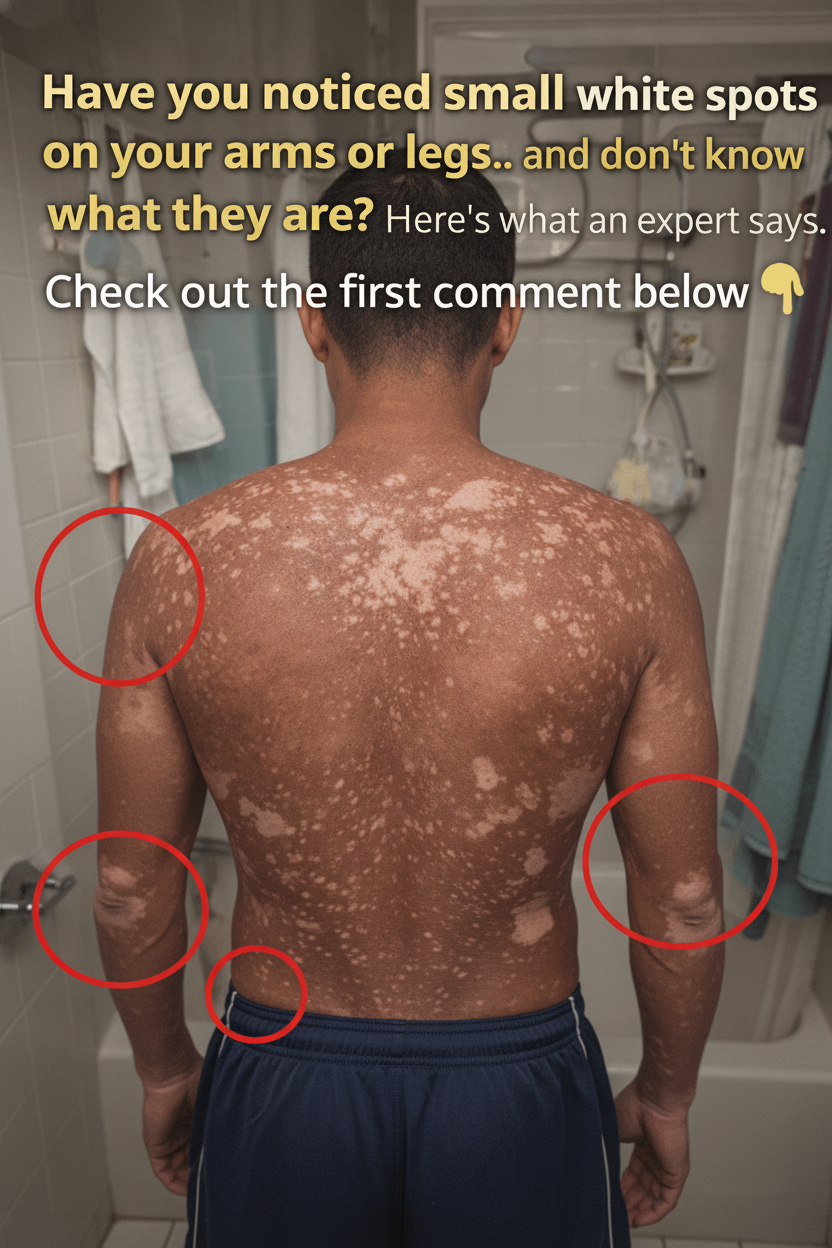
If you’ve observed small, round or oval-shaped pale spots that exhibit the following characteristics:
- Remain flat and smooth against the skin.
- Do not rapidly spread or merge into larger, irregular patches.
- Primarily appear on sun-exposed areas like the arms, legs, or upper back.
- Are free from itching, pain, or any textural alterations.
…it is highly likely you are seeing this common and benign skin variation. Nevertheless, other skin conditions can present with similar appearances. Therefore, if you notice any new or unusual skin changes, or if existing spots suddenly alter in appearance, seeking a professional dermatological evaluation is always recommended for an accurate diagnosis and peace of mind.
Proactive Skin Care: Managing Appearance and Preventing New Spots
While existing IGH spots are generally permanent, proactive measures can significantly help in preventing the formation of new ones and supporting overall skin vitality. Incorporating these straightforward, expert-backed dermatological practices into your daily routine can make a considerable difference:
- Consistent Sun Protection: Make broad-spectrum sunscreen your daily essential. Apply a product with an SPF of 30 or higher every morning, even on overcast days or when indoors near windows. Reapply diligently every two hours when spending time outdoors. This crucial step provides a vital shield against further UV-induced damage.
- Strategic Protective Clothing: When planning extended outdoor activities, especially during peak sun hours (typically 10 a.m. to 4 p.m.), opt for lightweight, long-sleeved shirts, trousers, and wide-brimmed hats. These physical barriers offer excellent additional sun protection.
- Maintain Skin Hydration: Healthy skin thrives on moisture. Regularly use a gentle, fragrance-free moisturizer to support your skin’s natural barrier function, keeping it supple and resilient.
- Gentle Exfoliation (Optional): Some individuals find that mild chemical exfoliants, such as those containing glycolic acid, can help improve overall skin texture. However, introduce these products slowly and monitor your skin for any signs of irritation.
- Nutrient-Rich Diet: Fuel your skin from within by consuming a diet rich in antioxidants. Foods like colorful fruits, vegetables, and nuts can help combat environmental stressors and support skin health at a cellular level.
These habits are key to slowing the progression of IGH and reducing the likelihood of new spots appearing, contributing to a more even-toned and healthier complexion. By understanding Idiopathic Guttate Hypomelanosis and adopting a mindful approach to sun protection and skin care, you can effectively manage its appearance and safeguard your skin’s future health.