 By admin
 Decoding Those Small White Spots: What You Need to Know About Idiopathic Guttate Hypomelanosis
Have you ever noticed tiny, pale white spots appearing on your arms, legs, or back? Many individuals first observe these marks after years of cumulative sun exposure and understandably wonder about their origin. These benign spots often emerge gradually, becoming more noticeable, especially against tanned or darker skin tones, which can sometimes be a source of frustration. The reassuring news is that this is a very common skin alteration associated with aging, frequently linked to lifestyle factors like time spent outdoors. Understanding why these spots appear and how straightforward daily habits can help manage their visibility might surprise you, particularly as one crucial practice stands out in maintaining an even skin tone.
What Exactly Are These Small White Spots?
Medically, these distinctive spots are known as idiopathic guttate hypomelanosis, or IGH for short. Reputable sources such as Cleveland Clinic and DermNet describe IGH as a harmless skin condition characterized by small, flat, pale white areas that typically measure between 2 to 5 millimeters. Their appearance often resembles tiny, lighter-colored droplets, and they tend to cluster on skin areas that receive significant sun exposure, including the forearms, shins, upper back, and sometimes the shoulders. These spots are smooth to the touch and do not cause any itching, pain, or discomfort. Research indicates their formation is due to a localized reduction in melanin – the natural pigment responsible for giving skin its color – within these specific patches. While IGH can affect any skin tone, the contrast often makes them more prominent and noticeable on darker complexions.
Why Do These Spots Appear? Common Triggers Explained
Dermatological experts point to several key factors that contribute to the development of these marks over time. The predominant cause is linked to prolonged and cumulative sun exposure. Ultraviolet (UV) rays from the sun can disrupt the cells responsible for producing pigment, leading to the formation of these lighter, localized areas. Studies published in journals like the American Journal of Clinical Dermatology highlight that this phenomenon becomes more frequent after years of consistent UV contact, which explains why these spots typically manifest on exposed body parts.
Other elements that may play a role include:
- Aging: The incidence of these skin changes increases significantly after the age of 40, with many adults observing a greater number of spots as they get older.
- Genetics: A hereditary component is sometimes observed, as these patterns tend to occur more frequently within certain families.
- Skin Type: Although IGH can affect individuals of all skin types, those with fairer skin may develop them earlier, even though they often become more visually apparent on medium to darker skin tones due to the contrast.
While the term “idiopathic” suggests that the exact cause isn’t fully understood in every instance, dermatology reviews consistently emphasize long-term sun exposure as the most influential factor.
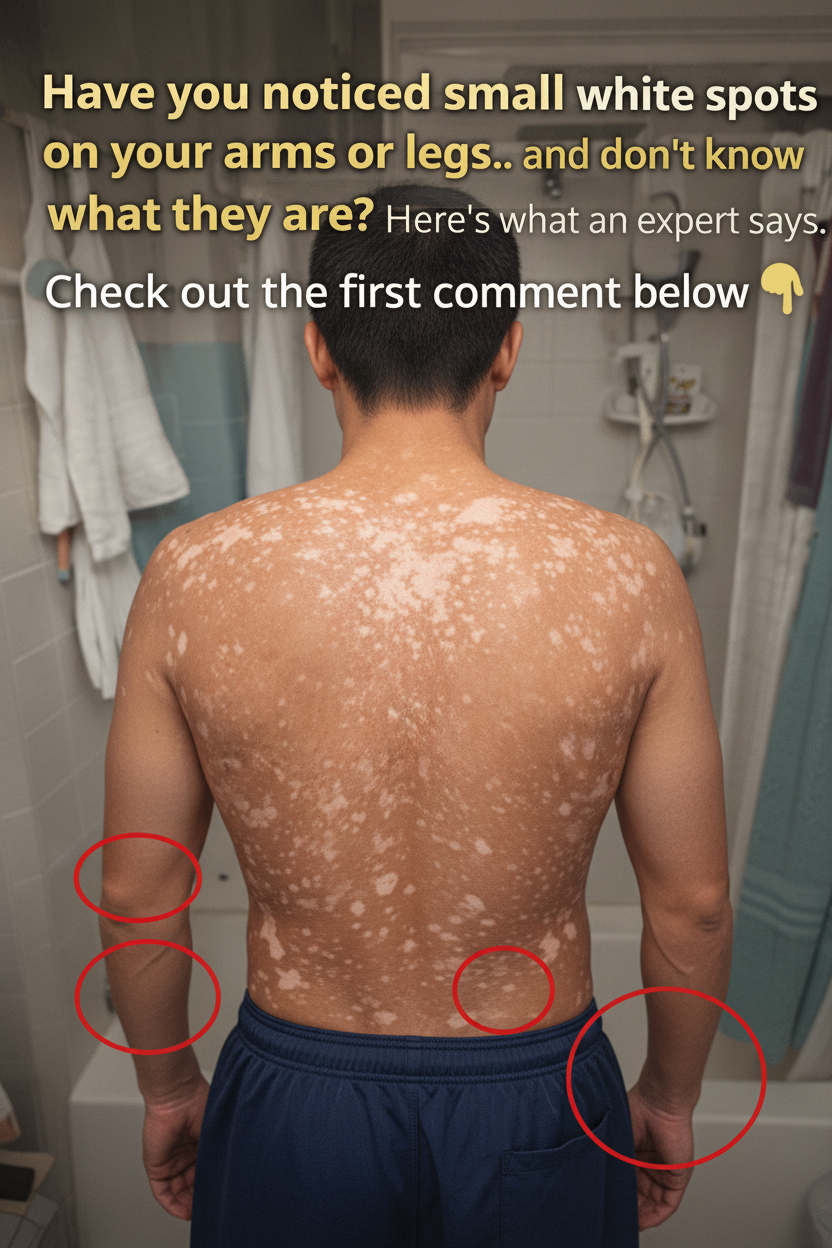
How to Identify This Common Condition
If you are observing small, round or oval, pale spots that exhibit the following characteristics, it’s often an indication of this benign condition:
- They remain flat and smooth to the touch.
- They do not spread rapidly or merge into larger patches.
- They appear predominantly on sun-exposed skin, such as your arms, legs, or back.
- They do not itch, cause pain, or show any changes in texture.
However, because other skin conditions can present with similar appearances, it is always prudent to consult a dermatologist if you have any concerns, or if new spots emerge suddenly or behave unusually. A professional diagnosis can provide peace of mind and appropriate guidance.
Everyday Habits to Help Manage Appearance and Support Skin Health
While existing IGH spots are permanent once they form, you can proactively take steps to prevent new ones from developing and to maintain your skin’s overall health and appearance. Here are some practical, actionable tips, grounded in general dermatology recommendations:
- Prioritize Broad-Spectrum Sunscreen: Make it a daily ritual to apply a broad-spectrum sunscreen with an SPF of at least 30. This is crucial every day, even on cloudy days or when indoors near windows. Remember to reapply every two hours during extended outdoor activities. This simple, consistent routine is vital for shielding your skin from further UV-induced damage.
- Cover Up Smartly: When spending prolonged periods outdoors, especially between 10 a.m. and 4 p.m., opt for lightweight, long-sleeved shirts, pants, and wide-brimmed hats to provide physical protection from the sun’s rays.
- Stay Hydrated and Moisturized: Healthy skin begins with optimal hydration. Use a gentle, fragrance-free lotion daily to support and strengthen your skin’s natural barrier function, promoting overall skin health.
- Incorporate Gentle Exfoliation: Some individuals find that mild chemical exfoliants (such as those containing glycolic acid) can help improve overall skin texture. However, introduce these products slowly and cautiously to avoid potential irritation.
- Nourish Your Skin from Within: Focus on a diet rich in antioxidants, found abundantly in fruits, vegetables, and nuts. These nutrients can help your body combat everyday environmental stressors that impact skin health.
While these habits will not make existing spots disappear, they are highly effective in minimizing the appearance of new ones and significantly contribute to your skin’s long-term health and more even tone.
”
}
“`