 By admin
 For many individuals, observing shifts in vaginal discharge is a common experience, particularly following intimate moments with a partner. These changes, which can range from thick, white, and clumpy textures to clearer, bubbly, or even yellowish fluids, frequently spark questions about what constitutes a healthy state and what might warrant closer inspection. Such variations are indeed a frequent subject in discussions surrounding women’s health, reflecting the body’s continuous effort to maintain a delicate balance within the vaginal environment.
The reassuring news is that gaining a deeper understanding of these bodily signals can empower you to make informed decisions regarding your comfort and overall well-being. Furthermore, adopting a straightforward daily routine can naturally bolster vaginal health. Fundamentally, vaginal discharge serves a vital function in self-cleaning and protection. However, when intimacy is introduced, elements such as alterations in pH levels or external factors can sometimes result in noticeable differences.
Research indicates that sexual activity can impact the vaginal microbiome in various ways, potentially leading to temporary shifts in its delicate equilibrium. Yet, there’s no need for undue concern; a significant number of these changes are entirely manageable through consistent daily habits. Continue reading, as we will later delve into practical strategies that countless women have found effective in preserving their natural vaginal balance.
Understanding Normal vs. Noticeable Changes in Discharge
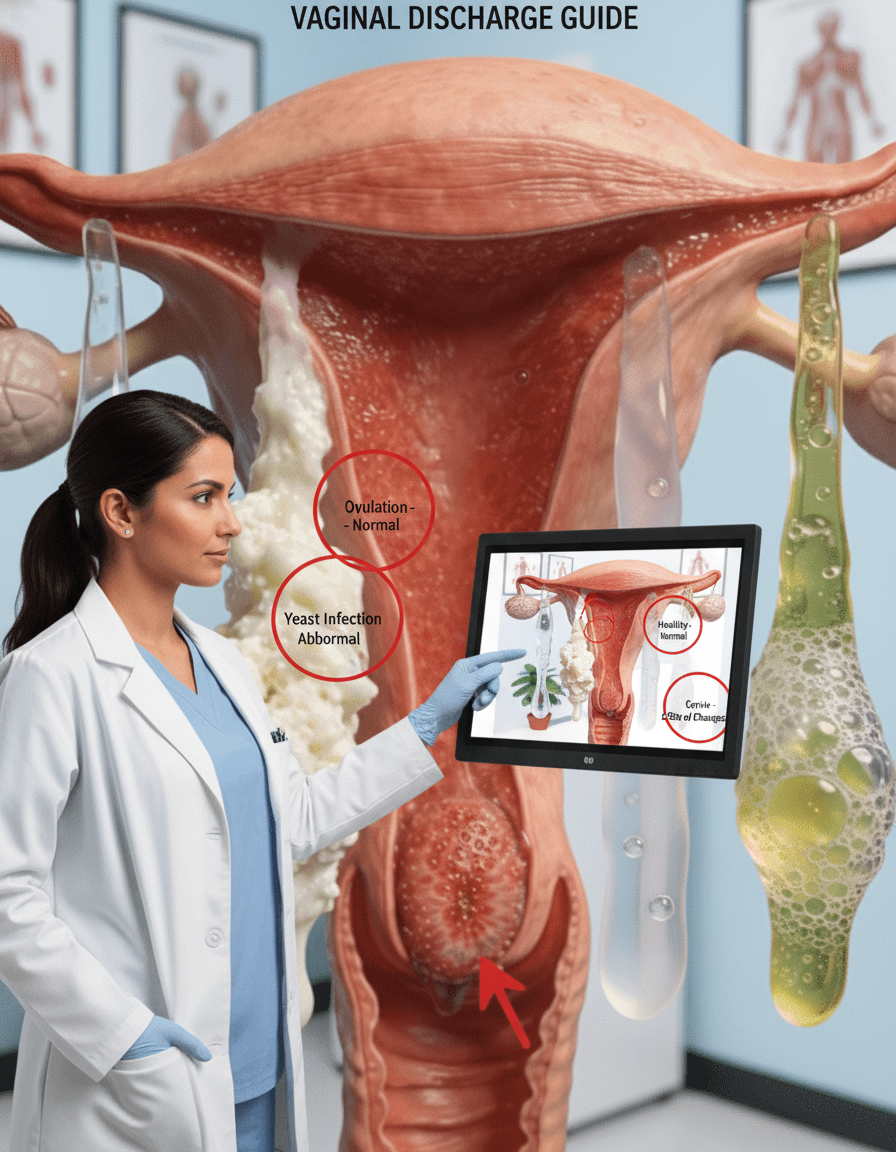
Vaginal discharge is an inherent and healthy physiological process. Esteemed health organizations, such as the Cleveland Clinic, clarify that typical, healthy discharge is generally transparent or white, free from a pungent odor, and plays a crucial role in expelling bacteria and shedding old cells. Its consistency and volume naturally fluctuate throughout the menstrual cycle; for instance, it might become thicker and more opaque during specific phases, or appear more fluid and watery at other times.
Following intimacy, it’s quite common and entirely expected to observe an increase in clear or milky fluid. This is typically the body’s natural physiological response to arousal and lubrication. Nevertheless, certain alterations in texture or color may indicate something less typical. For example:
- Thick, white, and clumpy discharge often presents with a texture akin to cottage cheese.
- Frothy or bubbly discharge, particularly if it appears in shades of yellow-green, might also be more liquid yet still textured.
While these specific characteristics aren’t automatically a reason for alarm on their own, if they are accompanied by any discomfort, many individuals are prompted to consult a healthcare professional for guidance.
Common Reasons Discharge Might Change After Intimacy
Intimate encounters can, at times, temporarily influence the delicate ecosystem of the vaginal environment. Below are some frequently discussed factors that contribute to changes in vaginal discharge:
Yeast Overgrowth (A Frequent Imbalance)
This condition arises when the yeast naturally residing within the body proliferates beyond its usual levels. Contributing factors can include hormonal fluctuations, the use of certain medications, or even changes related to sexual activity. The discharge is commonly characterized as thick and white, often resembling cottage cheese, and typically lacks a strong odor. Itching or irritation in the vaginal area frequently accompanies this type of discharge.
Bacterial Imbalance (Bacterial Vaginosis – BV)
Bacterial vaginosis (BV) is another widely recognized cause for altered discharge. It develops when the natural balance of bacteria in the vagina is disrupted, sometimes associated with new or multiple sexual partners. In cases of BV, the discharge might appear thinner, grayish-white, and is notably accompanied by a distinct “fishy” odor, which can become more pronounced following intimacy.
Other Influences: Parasitic Infections
Parasitic infections, such as trichomoniasis, can also lead to noticeable changes. This particular infection often results in frothy, yellowish-green discharge paired with a very distinct and unpleasant odor. Such infections are frequently discussed within the context of sexually transmitted infections (STIs).
Studies underscore that unprotected intimate contact or engaging with new partners can elevate the likelihood of these shifts, as the vaginal pH and microbial balance undergo adjustments. However, it’s crucial to remember that not every alteration signifies a serious underlying condition. Many of these changes can be effectively addressed and resolved through consistent, supportive health practices.
Signs It’s Time to Pay Extra Attention
While many changes in vaginal discharge are benign, certain accompanying symptoms warrant prompt medical consultation. It is advisable to seek professional guidance if your discharge is accompanied by any of the following:
- Persistent itching, a burning sensation, or noticeable redness in the vaginal or vulvar area.
- Unusual odors that are strong and linger, particularly after intimacy.
- Discomfort, pain, or burning during urination or during sexual intercourse.
- Any swelling or soreness around the vaginal opening.
These indicators suggest a potential issue that could benefit from a healthcare provider’s assessment and personalized advice.
Everyday Habits to Support Vaginal Health
Adopting certain daily practices can significantly contribute to maintaining vaginal comfort and fostering a healthy balance. Here are actionable steps that many individuals find beneficial:
- Prioritize Hydration and Nutrition: Consuming an adequate amount of water and incorporating probiotic-rich foods, such as yogurt, into your diet supports overall bodily health, which naturally extends to the vaginal environment.
- Opt for Breathable Apparel: Wearing cotton underwear and loose-fitting clothing promotes air circulation, helping to keep the area dry and minimizing the accumulation of moisture, which can otherwise create an environment conducive to imbalances.
- Practice Gentle Hygiene: Cleanse the external vaginal area with plain water or a mild, unscented soap. It is crucial to avoid douching, as this practice can severely disrupt the vagina’s natural bacterial balance and pH levels.
- Embrace Safer Intimacy Practices: Utilizing barrier protection, such as condoms, during sexual activity can help mitigate potential pH disruptions caused by semen or other introduced elements, thereby supporting vaginal health.
- Observe Your Cycle: Regularly tracking your unique discharge patterns throughout your menstrual cycle allows you to discern what is typical and healthy for your body, making it easier to identify any unusual deviations.
Ultimately, understanding your body’s natural signals, especially regarding vaginal discharge after intimacy, is a powerful tool for maintaining your health. By being attuned to what is normal for you and recognizing potential warning signs, you can proactively support your vaginal well-being. Remember, if you experience any persistent discomfort or concerning symptoms, consulting a healthcare professional is always the best course of action to ensure your peace of mind and optimal health.